

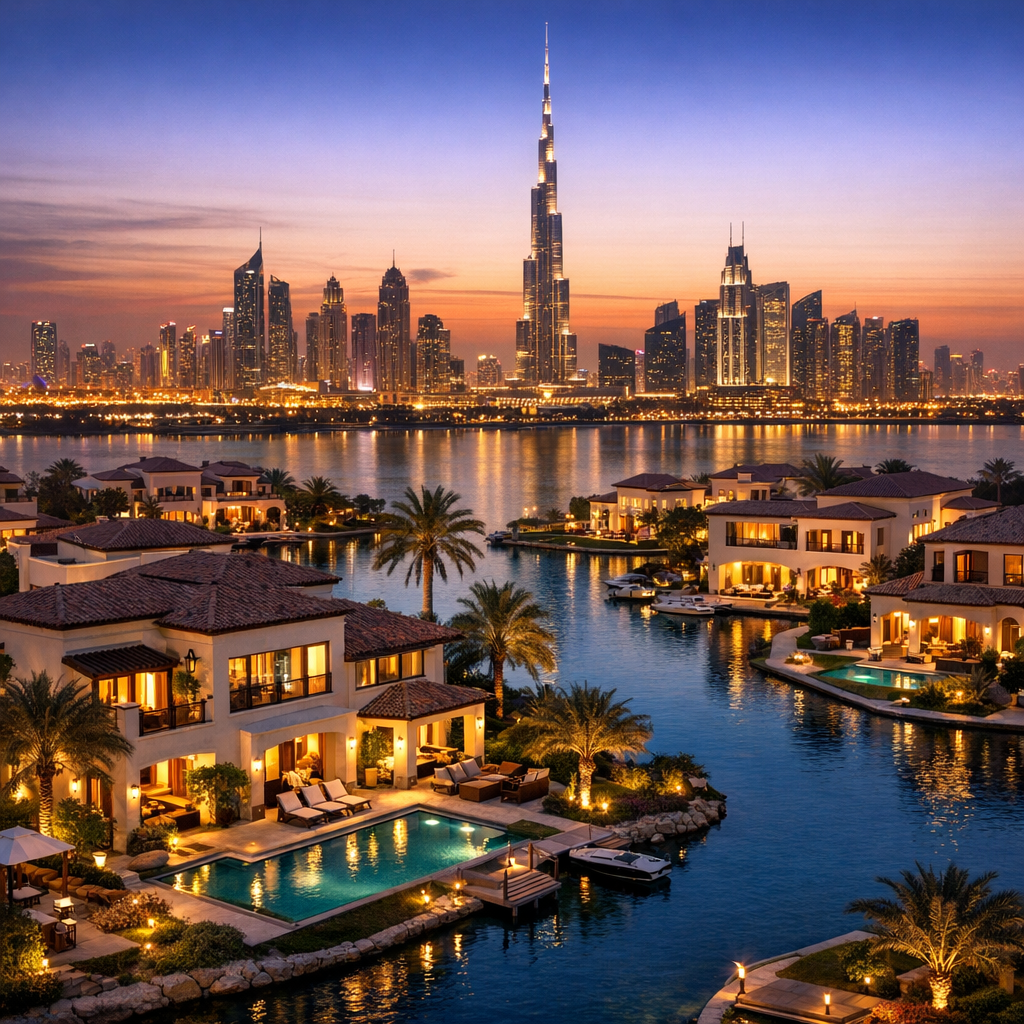
As Dubai’s real estate market matures, new patterns are emerging for anyone buying, renting or investing in property. Here’s a look at how things are shifting in sales, rentals and development to help you make more informed decisions.
Sales Market: Off-Plan Remains Dominant
During the first half of 2026, off-plan properties made up over 70% of all residential sales in Dubai. Buyers are showing strong interest in new developments, especially those backed by respected developers and realistic payment plans. Meanwhile, fewer ready homes are changing hands, with many resale listings seeing slowed demand.
The luxury end of the market continues to shine: homes priced above AED 15 million rose in popularity, and ultra-prime segments saw growth in both off-plan and resale high-value transactions.
Rentals: Healthy Yields, More Choices for Tenants
Rents in established communities are still climbing, supported by steady population growth and strong occupancy. Gross rental yields are attractive—apartments are averaging close to 7%, while villas are lower but competitive. These returns are part of why investors continue to keep Dubai on their radar.
At the same time, tenants have more options. Increased supply in newer communities means landlords must pay closer attention to price, amenity offerings and terms to retain demand. Lease enquiries are rising, but conversion rates are cooling slightly as tenants become more discerning.
Buyer Preferences: From Brand to Fundamentals
Today’s buyers are doing more homework. Developer reputation, build quality, infrastructure, connectivity and resale potential are all receiving more scrutiny than flashy branding.
Larger homes—villas and townhouses—are seeing renewed interest, especially from families seeking long-term stability. Premium communities with quality schooling, transport links and walkability are now premium factors that weigh heavily in purchase decisions.
Supply and Pricing: A More Balanced Market
Transaction volumes have eased somewhat, especially in resale homes, though values per square foot continue rising in many communities. Regions with higher density or strong new supply are seeing more variation in pricing.
Development pipelines remain robust, with a notable number of units due for completion in coming quarters. That means competition will increase among developers, and buyers may benefit from more choices, but some communities may feel this more acutely than others.
What It Means for You
- If you’re buying, favour off-plan developments from reputable builders, and always factor in infrastructure and resale potential.
- If renting, explore newer communities for value, but compare service charges, finish and lease flexibility.
- If investing, apartments tend to give higher yields, but villas and luxury properties offer greater capital appreciation—just be prepared for higher upfront costs.
- Track regulatory changes and transparency initiatives—they are shaping the framework for trust, value and protection across all segments.
Overall, Dubai’s market is shifting: from rapid growth driven by momentum and hype toward one guided by careful evaluation, stable demand, and long-term value. Whether you’re planning to lease, own or invest, the smartest options will be those that combine quality, location and realistic costs.