

By Aisha Khalifa
Addressing Transport Woes and Citywide Mobility
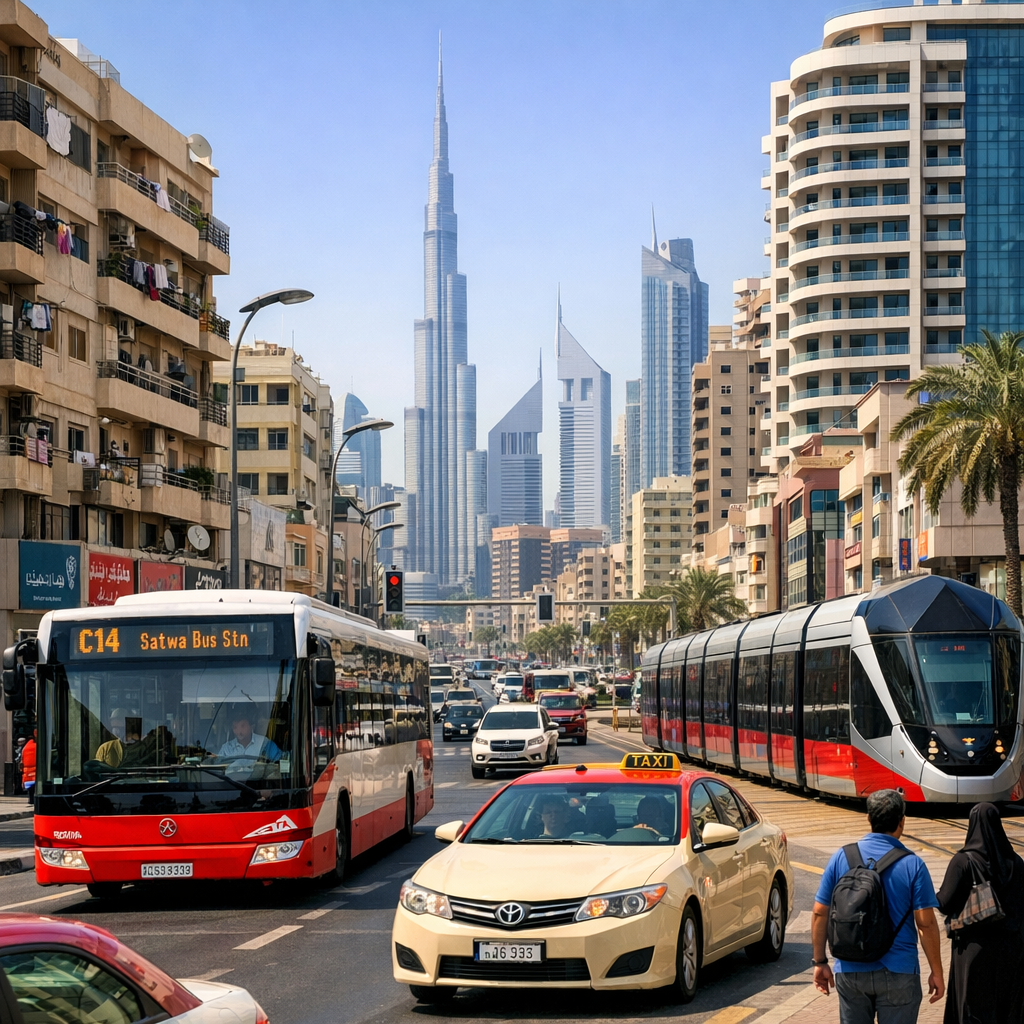
One of the top concerns for Dubai residents is traffic congestion, especially during peak hours on major routes. Surveys show nearly 90% of motorists experience delays regularly, and many report worsening conditions year over year. Experts suggest that flexible work hours and remote working could potentially reduce peak traffic by nearly a third. Beyond adding more roads, solutions under consideration include improving public transport, investing in last-mile connectivity, and raising awareness of shared mobility options. These ideas reflect a shift toward encouraging alternatives rather than simply expanding road capacity.
Affordable Housing: Growing Demand, Limited Supply
Dubai’s housing market is under pressure. Rising rents, expensive land, and high construction costs make affordable homes less appealing to developers. While approximately 15–20% of some new developments have been considered for lower-cost housing, many are in peripheral areas or older neighborhoods. Challenges include high maintenance costs over time and limited access to financing for lower-income groups. There’s also a perception issue: when it comes to “affordable”, many fear lower quality or distant locations. As the city grows, there’s increasing need for inclusive housing — across price ranges — in areas close to transit and employment.
Community Engagement and Local Infrastructure Projects
Dubai’s Roads & Transport Authority (RTA) has been actively engaging neighborhoods through forums like the Customer Council. Residents of Umm Suqeim, Jumeirah and nearby communities recently shared feedback on local traffic flow, internal road conditions, pedestrian and cycling track expansion, and better street lighting. These discussions feed directly into planning priorities. Meanwhile, RTA’s platform “Madīnatī” enables people to view upcoming infrastructure projects, submit community requests, and follow developments in their area. Such channels help align government plans with actual local needs.
Promoting Environmental Stewardship: Dubai Can & Al Freej Fridge
Dubai continues investing in sustainability programs that impact daily life. The “Dubai Can” initiative, led by the Crown Prince’s office, is focusing on reducing plastic waste and encouraging use of refillable water bottles. The initiative also installs water stations in public spaces to make it easy for everyone to access safe drinking water without disposable bottles.
Separately, the “Al Freej Fridge” campaign has been distributing millions of bottles of water, juices, and frozen treats to outdoor workers during high-heat months. The goal is both health-based and symbolic: to express appreciation for those who work outdoors in harsh conditions and reinforce communal values of kindness and solidarity.
What Residents Can Do
- Take advantage of RTA’s feedback tools — flag problems in your neighborhood (road, lighting, pedestrian access) to help guide upcoming work.
- Build sustainability into daily life: use refillable water bottles, seek out free water stations, conserve water and power.
- Support calls for mixed-use housing close to transit, especially with reasonable rents or payment plans.
- Where possible, adjust work schedules or carpool to help ease peak-time traffic.
Dubai is moving ahead on multiple fronts: infrastructure upgrades, green initiatives, and planning for more accessible housing are all part of building a city that serves all who live here. But delivering concrete change depends on both policy and community participation. Together, they form—truly—the foundation of a stronger, more livable city.