

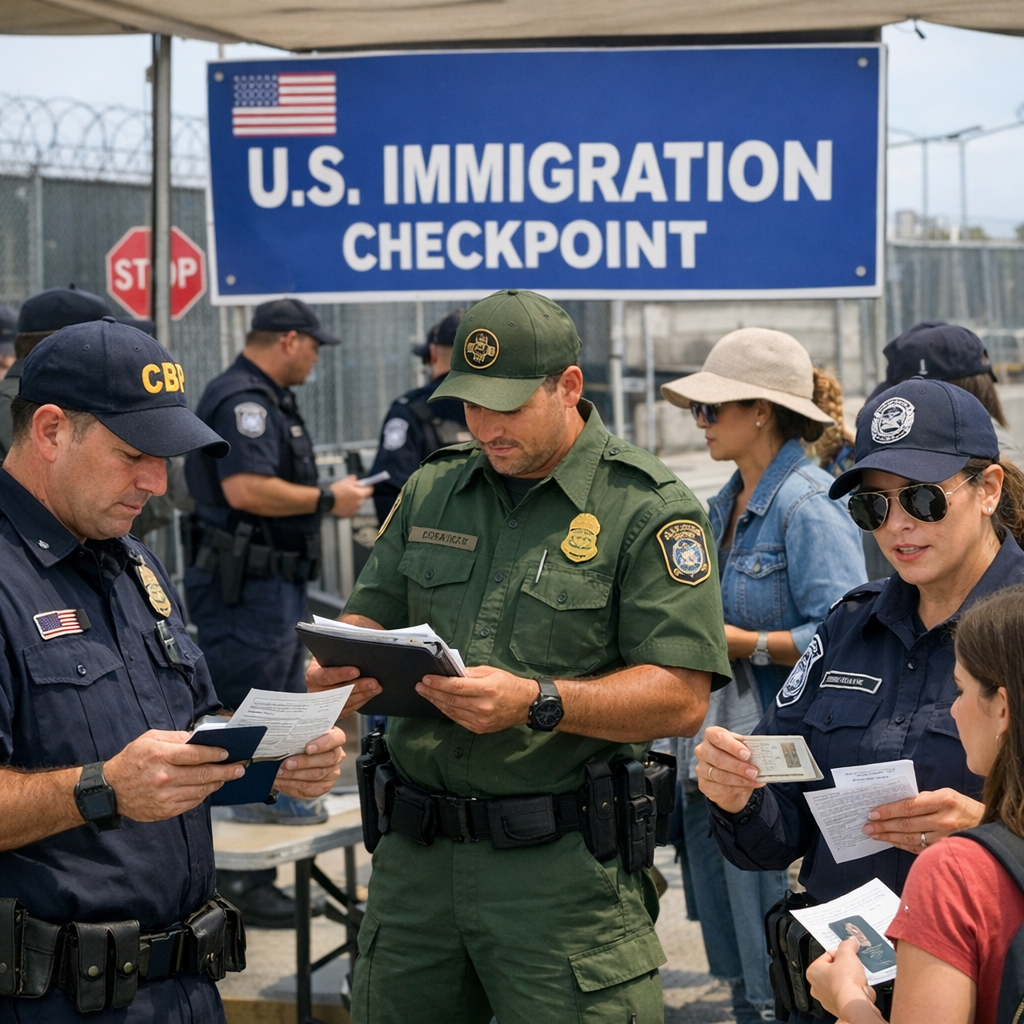
Immigration has become one of the most contentious issues in U.S. national politics, with recent policy shifts, legal battles, and economic concerns reshaping how the country handles legal and illegal entries. Here’s a breakdown of what’s changed, what’s challenged, and what remains at stake.
Major Policy Shifts
In recent times, the U.S. Administration moved to tighten both legal and illegal immigration. One effort involves restructuring the H-1B visa program: introducing higher fees for new petitions from abroad, and favoring higher-wage positions over lottery selections. These changes aim to reduce inflows and prioritize certain professional skills. At the same time, enforcement has stepped up, especially for workers and noncitizens’ access to humanitarian relief. New laws and executive actions emphasize stricter border security, mandatory employer verification systems (E-Verify), and additional application fees. These policies reflect a strong emphasis on regulation and enforcement over broad legalization.
Role of the Courts and Legal Challenges
Many of the new immigration measures have faced resistance in federal courts. Examples include efforts to end birthright citizenship, expand expedited deportations, and limit access to courts or bond hearings for detained individuals. Judges have blocked or delayed several major initiatives, underscoring how legal checks remain crucial in shaping what policies persist. Ongoing litigation focuses on the balance between executive power and constitutional protections.
Public Opinion and Political Pressure
Despite stricter policies, large majorities of American adults still view immigration as a benefit overall. Still, support has fallen somewhat, especially among Republicans, reflecting growing frustration and concern over border security. Economic worries—from rising housing, food, and energy costs—are also coloring public views on immigration. Many now see immigration as tied closely to broader economic health.
Economic and Social Consequences
Recent policy changes are already having downstream effects. Harboring stricter visa rules and enforcement priorities has made it harder for American universities to attract foreign students, vital sources of top talent. Industries such as agriculture, childcare, and caregiving are experiencing labor shortages driven in part by reduced legal immigration and more aggressive enforcement. Economic forecasts suggest that falling net migration has dampened consumer demand and could slow GDP growth unless offset by other factors.
Looking Ahead
The immigration debate appears likely to intensify. Legislative efforts are underway to offer pathways for undocumented immigrants, though comprehensive bills remain rare. Meanwhile, stricter executive rules and court rulings continue to shape the border and visa landscape. As U.S. stakeholders—from entrepreneurs to civil-rights groups—press for clarity and reform, the coming months could bring either deeper polarization or breakthrough compromises. What remains clear: immigration will remain central to national policy and politics.