

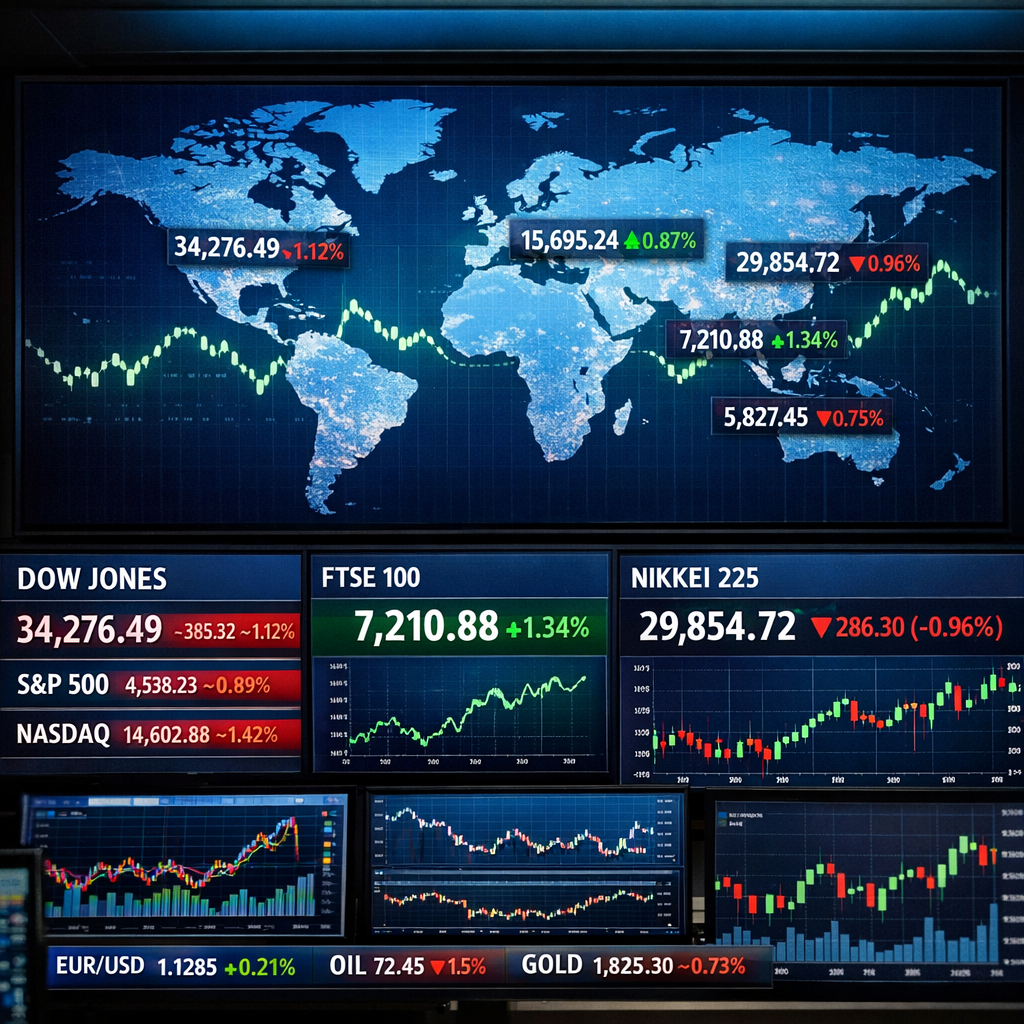
As the world grapples with multiple overlapping crises — geopolitical conflicts, energy price instability, and tensions in global trade — the economic path forward is proving uncertain. While many countries have shown resilience, the risks ahead are growing sharper and more interconnected.
Key Risks Reshaping Global Dynamics
Geoeconomic Confrontations & Multipolar Strains
The 2026 Global Risks Report identifies geoeconomic confrontation as the top risk likely to trigger a global crisis. With trade relations strained and multilateral frameworks under pressure, the era of collaboration is under threat. Protectionism, supply chain disruptions, and competition over strategic resources are escalating.
Inflation, Energy, and the Specter of a Second Shock
The war in the Middle East — especially damage to infrastructure and disruptions in transportation routes — has driven energy and commodity prices higher, fueling inflation. Oil and food costs remain a burden in many regions. If hostilities escalate again, especially around critical routes like the Strait of Hormuz, the chance of a second energy- or commodity-driven shock rises sharply.
Fragile Growth & Diverging Regional Outcomes
Global GDP growth is slowing. Advanced economies are under strain from high debt, tight monetary policy, and inflationary pressures. Emerging markets face additional challenges — weaker currencies, capital outflows, and food security concerns are more acute in low-income countries.
Paths to Stability: What Can Help
Strengthened Multilateralism & Policy Coordination
Many analysts warn that only coordinated action can avert worse outcomes. Strengthening transparent trade agreements, restoring trust in international institutions, and ensuring fiscal discipline are key. Absent these, fragmentation and regional rivalry may continue to worsen.
Balancing Innovation With Caution
Investment in technology — especially artificial intelligence — offers hope. But it also carries risks: inflated valuations, over-reliance on unproven supply chains, and potential environmental or security trade-offs. Managing that tension carefully is essential.
Protection for the Most Vulnerable
While global averages sometimes hide local hardship, many developing nations are bearing the brunt of crises: food price inflation, heavy import bills, and constrained fiscal space. Policies aimed at shielding vulnerable populations — through targeted subsidies, social safety nets, or international aid — are increasingly urgent.
Implications for Dubai and the UAE
For Dubai and the UAE, global uncertainty is far from abstract. Rising energy costs ripple through input prices. Trade route disruptions affect supply chains for goods, tourism, and re-export businesses. On the flip side, the UAE’s efforts in diversifying its economy and investing in sectors like AI, renewables, and logistics may offer a hedge against instability.
In this moment, resilience is not simply about surviving shocks — it’s about preparing for the next chapter. Global interconnection may be under pressure, but it remains the only foundation strong enough to hold long-term prosperity.