

By Aisha Khalifa
Dubai is stepping up its game when it comes to local environmental quality. Recent initiatives point to a growing focus on combining technology, community engagement, and circular-economy thinking to address issues like waste dumping, garden maintenance, and public cleanliness. Here’s what’s happening across neighbourhoods, and what residents should know.
Smart Monitoring to Catch Illegal Dumping
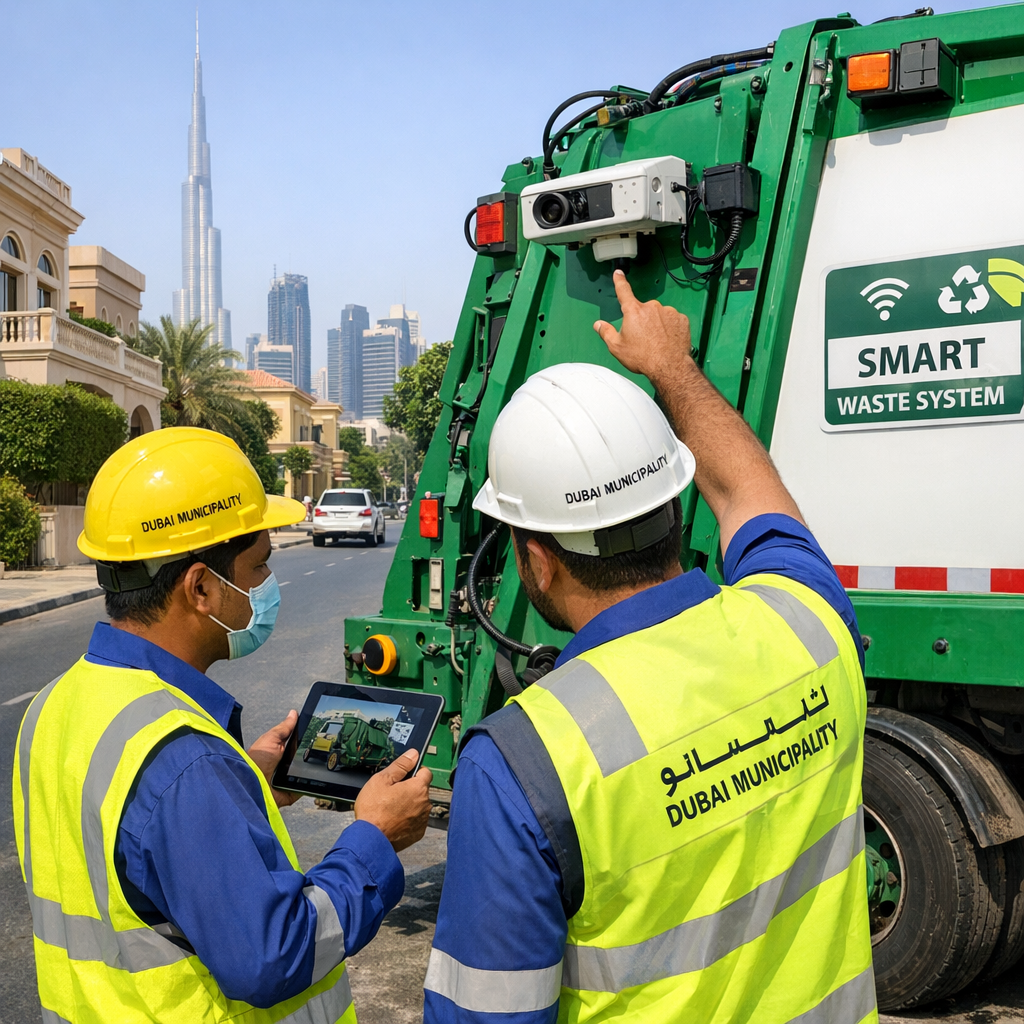
Dubai Municipality has initiated a pilot system using smart cameras mounted on waste collection vehicles. These cameras use real-time AI analysis to spot littering, illegal dumping near bins, sidewalks, and public squares. When violations are detected, the data goes to dashboards for rapid response teams to act. The move is part of the broader Smart Waste Management framework under Dubai’s Integrated Waste Management Strategy 2041. Complaints near villa districts, often plagued by bulk waste issues, could become easier to resolve.
Sea to Soil: Turning Algae and Organic Waste into Soil
Dubai Holding Community Management and ReFarm Global have launched what’s being called the region’s first Sea-to-Soil effort. The concept: gather organic waste—including algae from the sea—and turn it into nutrient-rich compost for landscaping. A recent pilot on Palm Jumeirah converted 120 kilograms of algae into about 31 kilograms of “Re-Soil.” Over time, this can reduce the need for chemical fertilisers and help green spaces thrive.
Residents Get a Seat at the Table
Local councils and Dubai Municipality are holding dialogues with residents in areas like Al Warqa, Umm Suqeim, Jumeirah and beyond. Issues raised include drainage, sewer odours, setbacks between villas, park facilities, and safe pedestrian paths. Authorities have responded with plans to adjust building regulations—such as reducing villa setback requirements—and to expand road lighting and cycling or pedestrian track networks.
Why It Matters
- Visual blight and spills don’t just affect aesthetics—poor waste management can degrade quality of life and public health.
- Using organic by-products locally to feed green spaces reduces import costs and carbon emissions.
- When residents are involved in planning and monitoring, services align more closely with local priorities.
How You Can Participate
Here are ways you can help and benefit:
- Report waste dumping or overflowing bins using systems/apps provided by Dubai Municipality.
- Join or organise local clean-ups; initiatives like “An Hour with the Cleaner” provide support for volunteer activities.
- If you live in communities under DHCM or Dubai Holding, ask whether Sea-to-Soil composting can expand to your area.
- Attend local RTA or Municipality focus groups or Customer Councils to influence decisions about roads, street lighting, parks, and traffic flow.
What to Watch For
Keep an eye on how fast the smart camera system scales beyond the pilot phase—will it cover more neighbourhoods or only main roads? Also, as composting programmes expand, organisms like composting bins need maintenance and resident cooperation. Finally, regulatory changes like villa setbacks might spark debate among developers and residents; public consultation will be key.
For now, these efforts reflect a broader trend: the city not only growing in size, but maturing in its approach to livability. Clean streets, green parks, and meaningful resident participation are becoming central to what Dubai aims to be—not just where people live, but how well they live.