

By Fatima Abdullah
In Dubai, technology is no longer a distant promise—it’s become part of our everyday rhythm. From the way we shop to how we manage our homes or even travel, AI and connected gadgets are weaving into daily life. Here’s how startups, devices, and intelligent tools are reshaping routines across the city.
AI at the Heart of Everyday Tasks
AI isn’t just for big businesses anymore—it’s helping people day to day. Around 85% of UAE shoppers now use AI tools to assist with shopping tasks: reading reviews or product ratings (60%), comparing prices (59%), and finding gift ideas (55%). Many say these tools make shopping faster and easier than before.
Meanwhile, federal services are starting to route routine requests—like visa renewals—through AI-driven systems, cutting wait times and paperwork. Wellness programs at companies are also using AI to personalize health recommendations, contributing to fewer sick days and more proactive self-care.
Connected Homes and Privacy Concerns
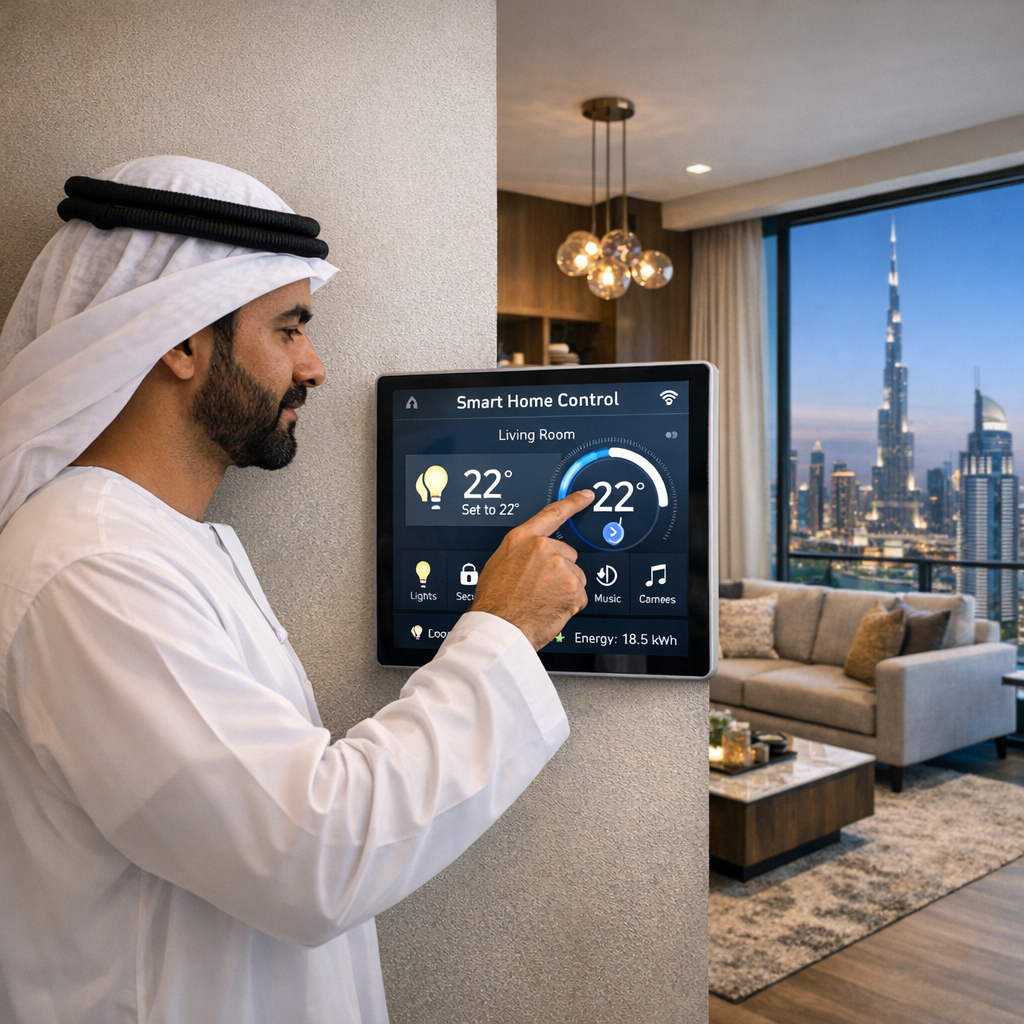
Gone are the days of single smart gadgets—whole-home systems are becoming the norm. In villas, especially new builds, platforms that control lighting, climate, and security via unified systems are growing quickly. Protocols like Matter and Thread are being baked into new projects, ensuring devices from different brands can work together. Retrofitting older homes is almost three times more common than installing systems in new builds, as homeowners look for upgrades without moving. Privacy is emerging as a key concern; many prefer local control and on-site data storage rather than sending everything into the cloud.
Which Gadgets We’re Actually Using
Smartphones are still everywhere; laptops and tablets remain staples for work, study or streaming. Wireless headphones or earbuds are a daily accessory for many—whether on commutes or during workouts. Smart watches are increasingly common, too, often outpacing adoption rates in some Western markets. On the other hand, devices like VR headsets or e-readers are more niche, less adopted, mainly remaining interests of tech enthusiasts.
Startups and Innovation Driving Change
Dubai’s startup ecosystem is responding to demand for smarter tools. Companies offering enterprise solutions in voice synthesis, generative media, automation, and AI-powered compliance are seeing real traction. For instance, some startups build tools that help businesses generate content, automate workflows or synthesize voice for multimedia without needing huge technical teams. Others are applying AI to mobility—delivery robots navigating pavements and tools that optimize public service queues.
Challenges and Trade-Offs
As convenience grows, so do concerns. People worry about how their data is stored, who has access to it, and whether smart gadgets can work offline or function only through third-party servers. There’s also the issue of affordability: while many gadget categories are accessible, some advanced systems—especially whole-home platforms—remain expensive for average households, particularly when retrofitting. Ensuring that tech serves everyone—not just the early adopters—is part of the next growth phase.
Looking Ahead
Dubai is building a foundation where the technology supporting daily life is expected to stay: smarter devices, seamless service delivery, local privacy safeguards, and tools tailored to daily needs. For residents, embracing tech will mean staying aware—of features, of pitfalls, and of growing possibilities. For innovators, the task will be delivering tools that serve needs clearly and responsibly.