

By Huda Al-Awadhi
Dubai’s real estate market continues to evolve quickly. For current and prospective residents—expats and locals alike—understanding the dynamics of rentals, buying, and development pipelines is essential. This guide offers an up-to-date overview to help you navigate choices related to homes, finance, and location.
1. Rental market: what’s happening now
The rental market in Dubai remains active, though growth has been more modest in 2026 compared to previous surges. Average gross residential rental yield is about 6.6%, with higher returns from apartments (nearly 7%) than villas or townhouses. Areas with high demand—well-connected, centrally located communities—still command premium rents, while peripheral regions are seeing more competition among landlords. Typical rates per square foot have edged down slightly in many apartment segments over the last 6-12 months. Apartments with more bedrooms in prime zones continue to outperform smaller units in less established locations.
2. Buying: off-plan and resale trends
Off-plan properties lead residential sales, making up over 70% of transactions in recent months. Buyers are being more discerning, closely evaluating developer reputation, completion quality, location, and long-term value. Luxury homes (those above approximately USD 10 million) have seen year-on-year growth in both sales count and value, driven by buyers seeking second homes or investment assets. In resale, while prices are still appreciating in many areas, the pace has moderated.
Foreign ownership and legal essentials
Foreigners interested in buying property in Dubai should note: ownership is allowed in designated freehold or investment areas. Outside of those areas, options like long-term leasehold or usufruct rights may apply. Be sure to check whether the development is listed in a freehold zone, and understand whether the ownership is full freehold or comes with restrictions.
3. New developments and handovers: supply timeline
2026 has seen a record wave of new project launches in Dubai. Hundreds of off-plan developments are underway, totaling over 100,000 units announced so far this year. These cover a range of types: waterfront towers, villas, townhouses, wellness communities and mixed-use masterplans. Some have delivery dates stretching out to 2029-2031.
Meanwhile, handovers are also accelerating. Over 120,000 units are expected to be delivered in 2026 across Dubai. Some projects are tracking on schedule; others carry risks of delay, especially those affected by supply chain or construction labor issues. When considering off-plan purchases, examine handover timelines carefully.
4. Buying vs renting: what to consider for your decision
Whether to rent or buy depends heavily on your time horizon, lifestyle, and financial situation. If you plan to stay in Dubai for more than 5-7 years, buying may offer value through capital appreciation and stable housing costs. For shorter stays, renting remains more flexible and less tied down.
Other factors to weigh:
- Financing costs: mortgage options are more available now for expats, but interest rates, down payments, and fees affect total cost.
- Ongoing costs: community fees, maintenance, service charges, utilities.
- Resale market: resale liquidity can vary by location, property type, developer quality.
- Market risk: global economic uncertainty and regional dynamics may influence demand in luxury and high-end sectors.
5. Where demand seems strongest
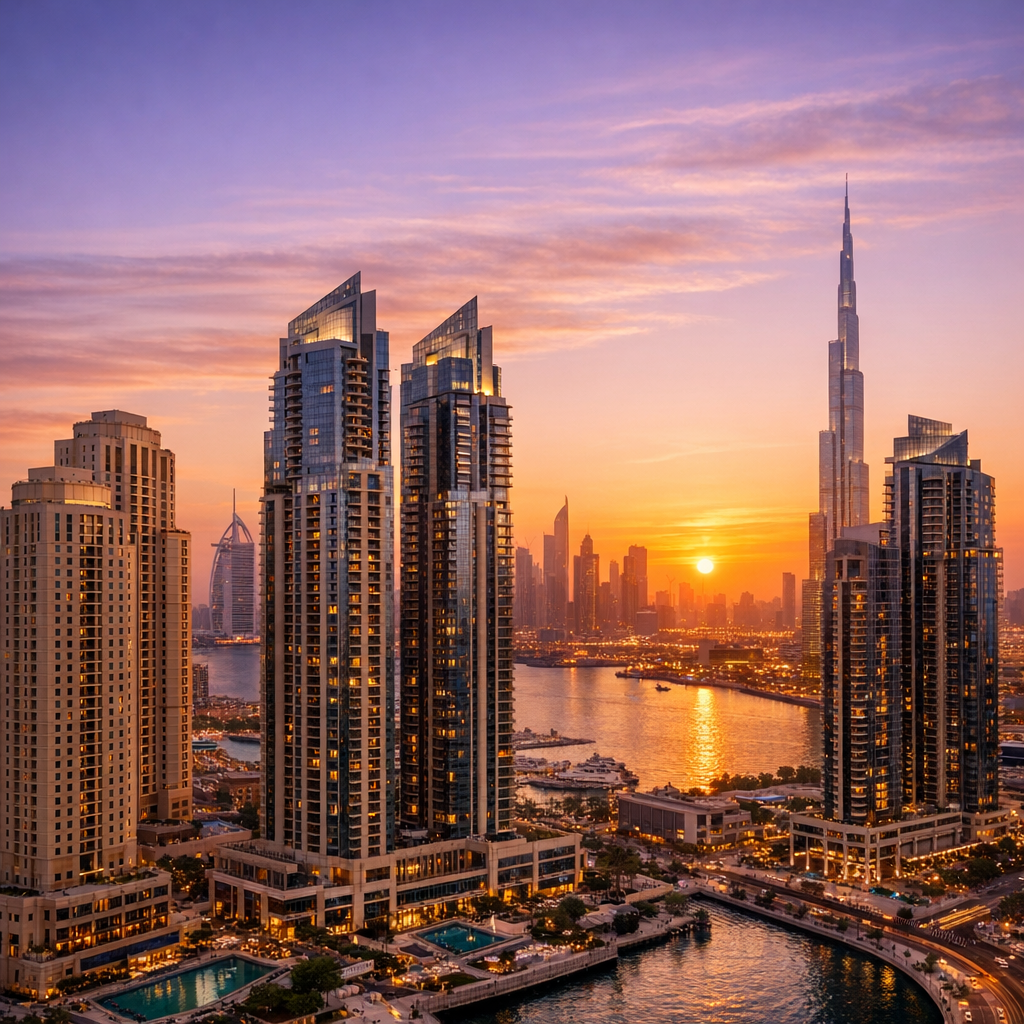
Community-based and master-plan areas with good transportation, schools, retail, and green spaces remain popular. Waterfront destinations, and newer family-centric villa or townhouse communities are among those growing fastest. Waterfront or iconic skyline views also continue to draw premium buyers, especially at the high end. For mid-market buyers, established communities with mature infrastructure are often better value per square foot.
6. Practical tips if you’re buying or renting now
For renters: negotiate on terms and see what upgrades landlords may offer. Ask about historical maintenance and service charge records.
For buyers: inspect developer track record, handover performance, quality of nearby infrastructure. Ensure legal title is clear, and consult brokers who provide audit-level insight into project progress.
Ultimately, whichever path you take—renting or owning—the most rewarding decisions balance location, timeline, developer credibility and long-term financial health. Dubai’s real estate market remains full of opportunity, but also demands careful homework.