

By Layla Al-Mansoori
Global Displacement at Unprecedented Levels
The latest report from the UN refugee agency shows that by the end of 2025, some 117.8 million people worldwide were forcibly displaced due to conflict, persecution or human rights violations. This includes refugees who cross international borders, as well as those displaced within their own countries. That’s nearly 1 in every 70 individuals globally.
Notably, around 41.6 million of these are refugees, with millions more awaiting asylum outcomes. While the number of refugees and internally displaced people fell slightly compared with the previous year—reflecting a rise in returns into Afghanistan, Syria, Sudan and the Democratic Republic of Congo—many of these returns are happening under extremely difficult conditions.
The Fragile State of Global Trade
The global economy is showing signs of strain under the weight of geopolitical tensions. Trade growth, which surged in 2025, is expected to slow in 2026, with projections suggesting world merchandise trade will expand by just 1.5% to 2.5%. That’s a big drop from 4.7% growth the prior year.
More countries are turning to protectionist trade policies—tariffs, export restrictions, and industrial subsidies are being used not just for economic reasons, but as strategic tools in geopolitics. These trends are reshaping supply chains, affecting particularly smaller exporters and developing nations.
Trade Chokepoints and Energy Vulnerability
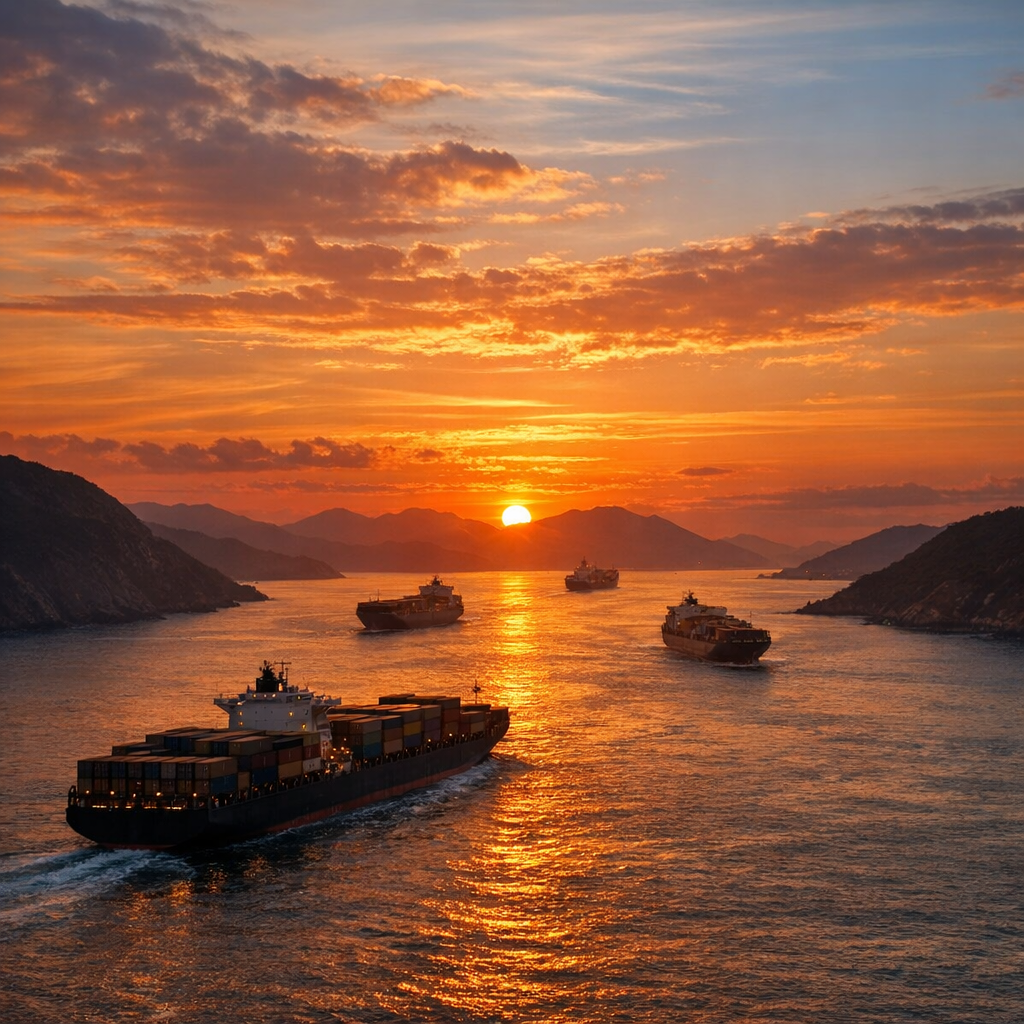
Recent conflicts—especially those around the Middle East—have disrupted vital trade routes like the Strait of Hormuz, which carries a large share of the world’s oil and gas supplies. Such chokepoint disruptions are causing ripple effects through energy prices, shipping costs and national economies, especially for countries heavily dependent on energy imports.
Why This Matters for Dubai and the Region
As a major global trade and logistics hub, Dubai is directly affected by these global shifts. Rising shipping rates, regional instability and trade route uncertainties can drive up costs for businesses and consumers alike here. The UAE’s economy, with its strong links to both East and West, may see new opportunities in supply chain diversification—but also risks if protectionism grows further.
Similarly, the global displacement crisis has human, social and economic dimensions that resonant locally. The UAE’s role in global humanitarian efforts, its border policies and its relationships with neighboring countries can play a part in both immediate relief and long-term solutions for those displaced.
Paths Forward: Adaptation, Cooperation, and Resilience
International bodies warn that multilateral trade frameworks—like those managed by the WTO—and climate diplomacy need to adapt to this more fragmented world where countries pursue trade and security goals together. Persistent conflict, disruption in trade routes and energy risk make this adaptation not just ideal, but essential.
For the displaced, the push is toward solutions based on self-reliance—ensuring access to education, work, and protection so lives can be rebuilt rather than merely sustained. For trade, the work is on making supply chains resilient, investing in clean energy, and ensuring small economies are not squeezed by changing regulation.
These are not far-away issues. They affect markets, migration, and daily life even in Dubai. Understanding them matters.