

By Ahmed Al-Hamed
For Local Voices — Dubai
Economic Pulse: What Americans Are Feeling
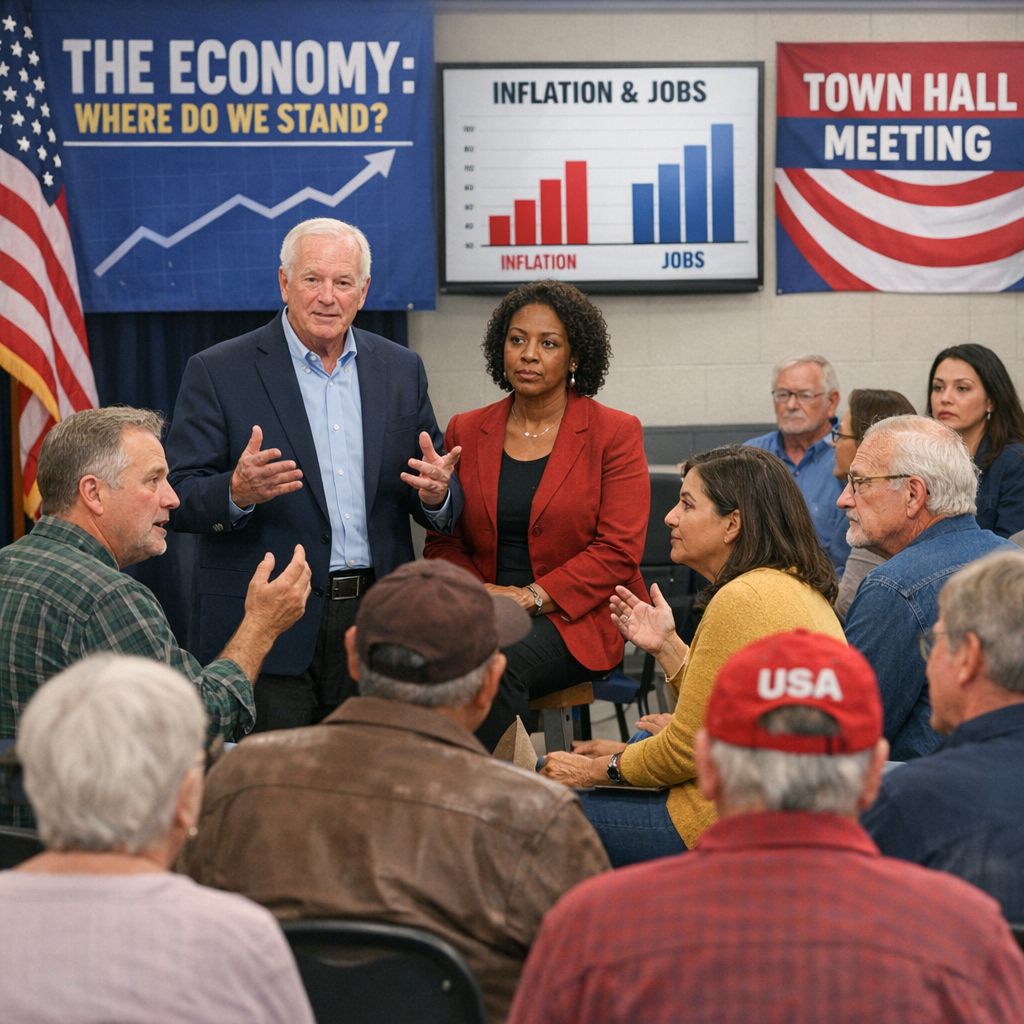
In recent months, opinion surveys conducted across the United States show that many citizens remain frustrated with the economy. Less than one-quarter say current economic conditions are “excellent” or “good,” while more than one-third rate them as “poor.” These numbers reveal deep concerns about rising costs of living, especially for housing, healthcare, food, and energy.
Influencing the Midterms
The connection between everyday economic experience and political choices is becoming undeniable. As voters prepare for national midterm elections, economic issues have risen to the top of the agenda. Many people want candidates to address affordability, taxation, and economic stability. Importantly, neither major party currently holds a clear lead on economic policy—plurality opinions show voters split almost evenly over whether Democrats or Republicans better represent their economic interests.
Challenges Beneath the Surface
While some macro indicators suggest resilience—steady GDP growth, low unemployment—other signs point to underlying stress. Inflation remains stubborn, especially in essentials like food, housing, and utilities. Consumer sentiment has weakened. Gas and energy costs have also shown renewed volatility, with international conflicts and supply concerns amplifying domestic effects.
What This Means for U.S. Politics — and for Dubai Readers
The economic climate in the U.S. could reshape which party gains or holds power in Congress. If voters continue judging leaders by how deep economic pressures affect their lives, we may see surprising outcomes in districts that seemed safe long ago.
For readers in Dubai and beyond, understanding these trends matters not only because of America’s global influence, but also due to how economic policies overseas—trade agreements, oil prices, global supply chains—are connected to domestic sentiment in the U.S.
Ahmed Al-Hamed is a Dubai-based contributor covering U.S. politics, economics, and their global implications.