

By Khalid Al-Qasimi
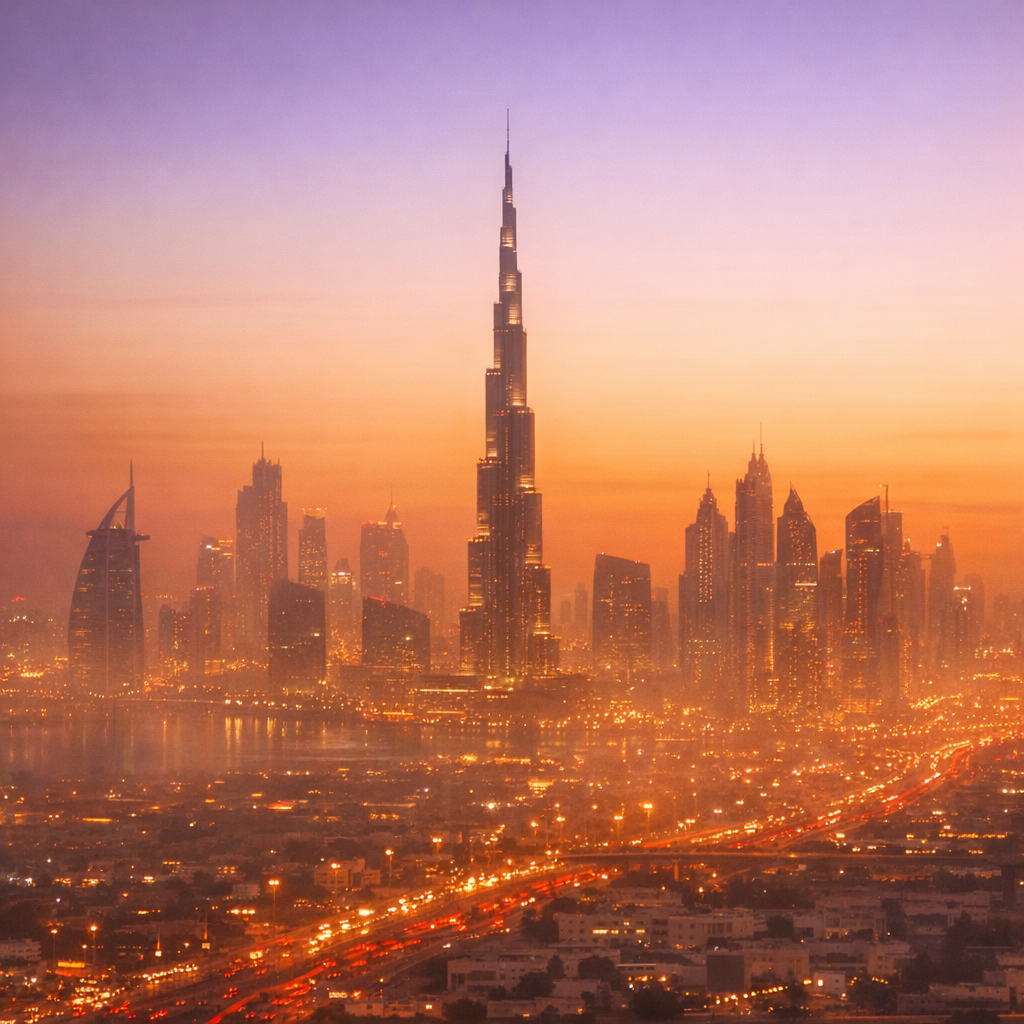
Dubai’s Shape of the Seasons
Though Dubai isn’t marked by four traditional seasons, two phases dominate: a long, intense summer from ~May through September, and a more comfortable, mild winter from November through March. April and October act as the in-between months, showing traits of both. Winters bring daytime highs between 20-32 °C with cooler nights; summers regularly soar past 38-40 °C, often with high humidity that adds to the discomfort. Rainfall is scarce, heavily clustered around January and February.
The Trends Behind What We Feel
Rising Temperatures and Urban Heat
Dubai has been warming steadily over recent decades. The effects of the urban heat island—where built-up areas trap heat, especially at night—mean that some neighborhoods stay significantly warmer after sunset. Surface materials and lack of green cover make this worse. These rising temperatures increase daytime stress on people, infrastructure, and energy systems.
Shifting Rainfall and Storm Patterns
Historically rare, intense rainfall events are becoming more frequent and more severe. The April 2024 flooding, for instance, brought in a day what Dubai normally expects in a year. Experts believe climate change plays a role by allowing warmer air to hold more moisture. At the same time, more rainfall doesn’t mean regular showers—it means more extremes: sudden downpours, flooding, then long dry spells.
Key Environmental Challenges
Water Scarcity & Ecosystem Strain
Desert conditions already make water precious. As temperatures rise and rainfall becomes more variable, natural ecosystems—mangroves, coral reefs, wadis—face increasing stress. The UAE has identified strategic initiatives to protect these ecosystems and work toward climate neutrality by 2050.
Climate Risk to Infrastructure & Health
Flooding, heat stress, and humidity affect not only comfort but safety. High temperatures can strain power supply, damage roads, and burden health systems. Architects, developers, and city planners have begun integrating climate risk—better drainage, reflective building materials, urban cooling strategies—to adapt. It’s now a major priority for authorities.
What Residents Can Do Now
- Seek shade and stay hydrated during the peak summer months. Plan outdoor activity for early morning or evening.
- Check air quality reports, especially after dust storms or during stagnant weather.
- Support green spaces—trees, parks, rooftop gardens—to help lower neighborhood heat.
- Conserve water: every drop saved helps ecosystem resilience and infrastructure stress.
- Keep an eye on government initiatives—new regulations, cooling-focused planning, and improved infrastructure all help.
Looking Ahead
Dubai is already feeling the weight of climate change: hotter summers, surprise storms, rising risks. But planning, technology, and communal action can make a difference. If building codes evolve, green infrastructure expands, and we all adapt daily habits, then this city can meet future challenges with resilience. The climate will change—how we respond will define whether that change threatens or empowers us.