

By Ali Al-Ameri
Dubai is often celebrated for its skyline and speed—rapid growth, gleaming towers, sprawling highways. But beneath that sweep of progress lie the small things that shape how people live, how neighborhoods feel, and how far this city is from truly being home for all. I’ve spoken with residents across areas like Dubai South, International City, Warsan and others, and their voices echo both promise and everyday frustration.
The long commute and its toll
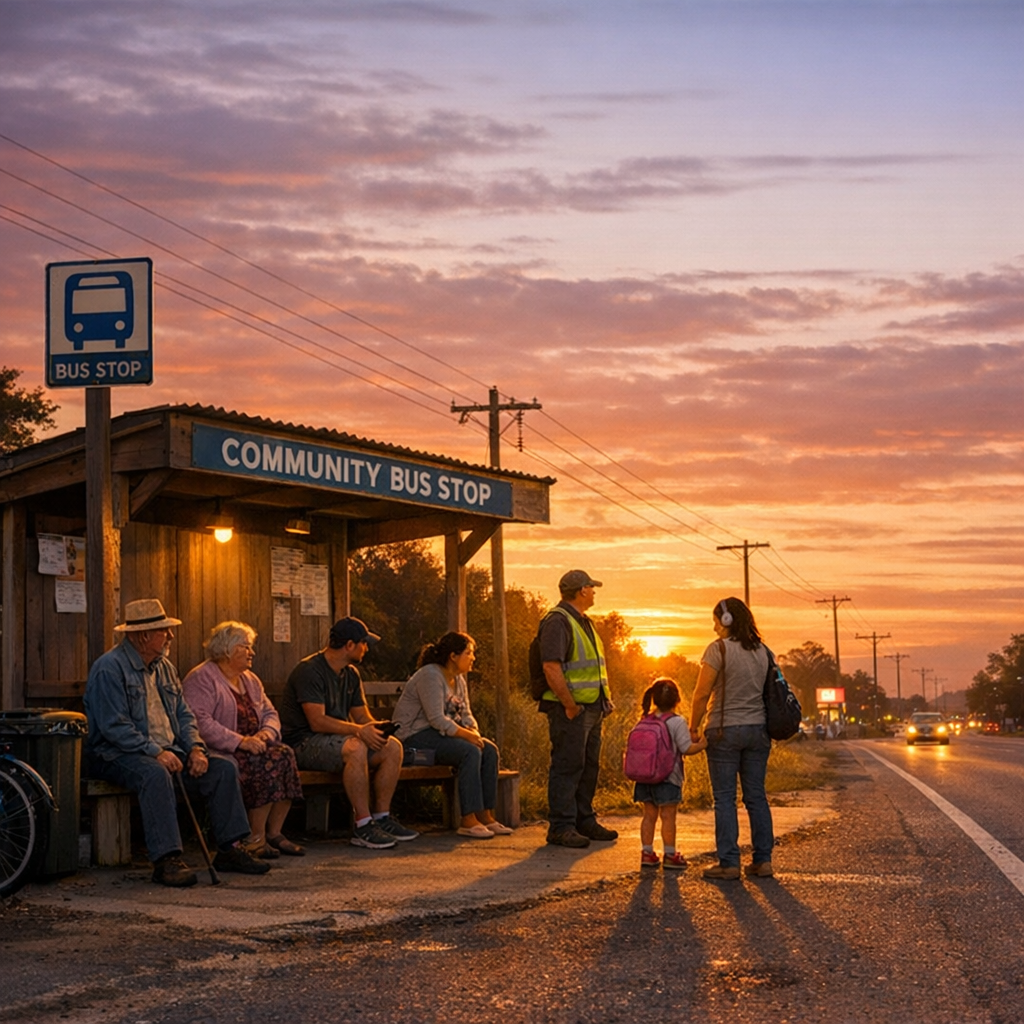
Most people I know start their day by navigating traffic—miles of it. From suburbs like Warsan or Silicon Oasis, the journey to central business districts easily takes an hour or more, thanks to congestion, spread-out development, and limited public transport links. The future Blue Line Metro is expected to help, but until it opens, many feel trapped between high travel costs, delayed buses, and long hours just to reach work. One resident told me: “My 40-minute ride becomes two buses, a taxi and sometimes a wait that adds another hour to the journey.”
When basic services disappear into the distance
Growth in places like Dubai South has brought homes, school corridors, parks—but also blank stretches where services like ATMs, grocery stores, and frequent bus routes are still missing. Residents say online banking isn’t always enough; when you need cash locally or must run errands, the lack of nearby service feels like an oversight. Bus schedules—sometimes once every 90 minutes—mean trips outside the car become major time commitments, not casual walks to the corner.
Designed to connect—or to drift apart?
Neighborhoods built for cars leave behind those without private vehicles—or those who wish not to depend on them. Walkability, shade, safe pedestrian paths, cycling lanes—these are frequently asked for, but in many suburbs, still underdeveloped. Some community spaces sow hope: small front-garden parks between schools and mosques, indoor-outdoor gathering places, places designed for neighbourhood events. These are exactly what people want: spaces not just to pass through, but to stay in, belong to.
The identity questions of long-term expats
Then there’s the deeper, quieter matter of identity. Many who’ve lived here a long time—some born here, others arriving as children—say they feel not fully Emirati, not fully expat, not fully any place. One person said, “Dubai is all I’ve ever known, but sometimes I still feel like an outsider.” The sense that recognition—and not just a visa—is part of feeling at home echoes across conversations. This is not about citizenship; it’s about being seen, accepted, and knowing that one’s place here matters.
Steps forward: small approaches, big impact
Residents I spoke with believe solutions already exist—some underway, others needing focus. Metro extensions and new bus routes are positive; bringing more ATMs and local shops into growing areas would ease daily strains. Designing new communities using “15-minute city” ideas—where essentials are within a short walk—would help reduce dependence on cars. Better pedestrian infrastructure, shaded walkways, and shared public venues can turn sterile sprawl into vibrant neighbourhoods.
Conclusion: Making home—even before everything’s perfect
Dubai’s sweep of ambition is real, and many benefit from its risk-taking and innovation. But cities are lived through quiet, routine moments: waiting for a bus, walking a child to school, buying groceries, cooling off in a park. These are the moments that build belonging. When services, spaces, and recognition catch up to the pace of construction, many more people will be able to say Dubai is not just where they live—but where they belong.