

By Ahmed Al-Hamed
The Inflation Challenge Persists
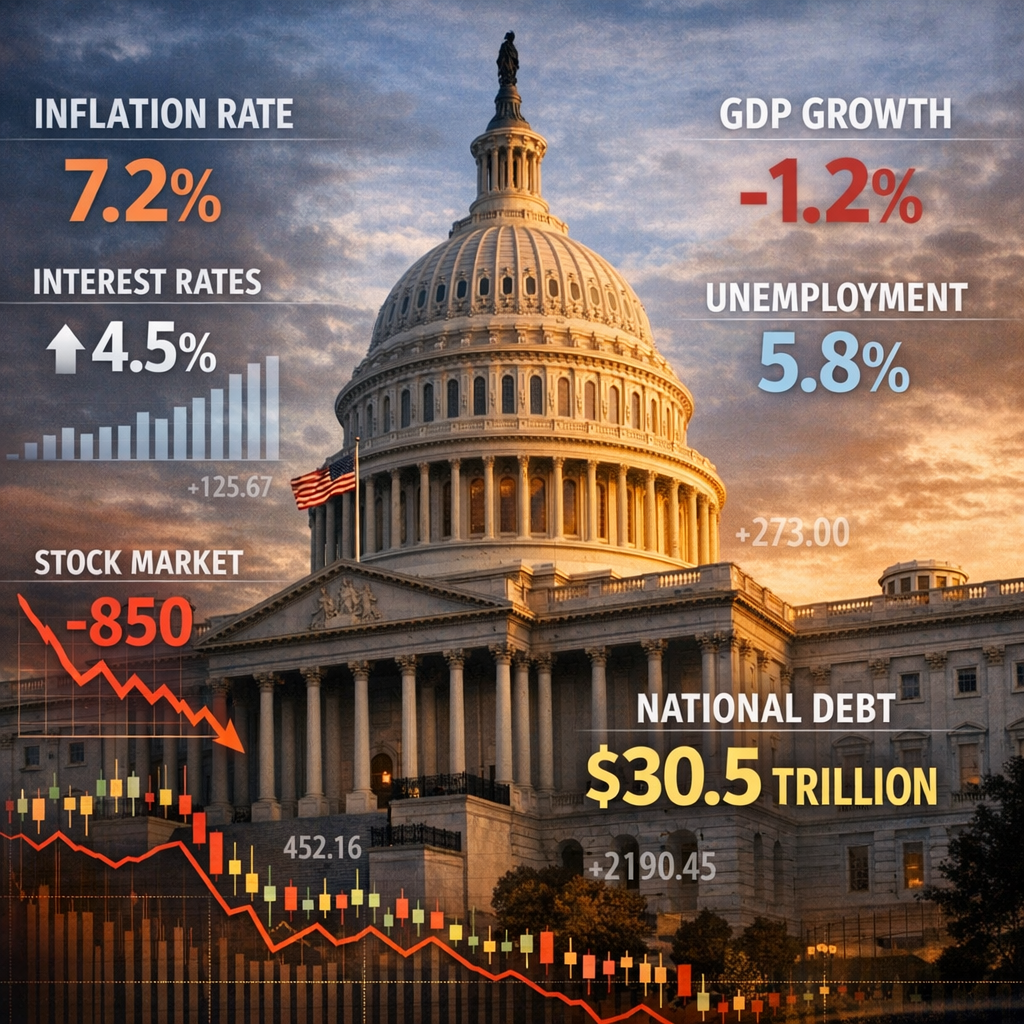
Despite gradual cooling since its 2022 highs, inflation in the United States remains stubborn. Core price measures—excluding volatile food and energy—continue to be elevated, eating into Americans’ purchasing power. From grocery bills to rent, essential costs keep rising. Many economist observers are pointing to energy price shocks and global trade tensions as key drivers keeping inflation from falling further.
Consumer Sentiment and Spending Strains
Recent surveys show that many Americans are pessimistic about the economy. In mid-2026, just under a quarter of U.S. adults described the economic situation as either “excellent” or “good.” Widespread concern around healthcare, housing, and the cost of living dominates national conversations, while fuel price rises tied to Middle East tensions have added fresh pressure to household budgets.
Economic Growth and Unemployment: Mixed Signals
Recent reports indicate the U.S. economy grew at a sluggish pace—hovering around 1.5 percent in the second quarter. While joblessness has not spiked, wage gains remain modest once inflation is accounted for. Highly technical sectors, notably artificial intelligence infrastructure, have seen investment surges, yet consumer spending has lost momentum amid cost concerns.
The Growing Weight of National Debt and Fiscal Policy Dilemmas
The U.S. national debt has crossed the $40 trillion mark. Experts warn this scale of borrowing limits governmental flexibility—especially when addressing emergencies or investing in public priorities. While some budgetary deficits have eased, long-term projections still point to upward trends in both debt and government spending if structural shifts are not made.
Political Implications Ahead of Elections
With midterm elections on the horizon, the economy has become a focal point in political discourse. Citizens are measuring performance in terms of inflation relief, job quality, and affordability. Political analysts note that economic fatigue could influence voting behavior, with policy promises around reducing costs and balancing the budget taking on renewed importance among the electorate.
Looking Ahead: Risks and Areas to Watch
Key uncertainties lie in global energy dynamics—events abroad can ripple into higher fuel and commodity costs in the U.S. Geopolitical disruptions, trade policies, and central bank decisions on interest rates will be critical in shaping whether inflation retreats toward long-term targets. Domestic policy shifts—on healthcare, taxation, and spending—may also prove decisive in relief for average households.
As America faces a confluence of economic pressures, the choices made in policy corridors and ballot boxes will carry lasting consequences—not just for domestic stability, but for the world economy as well.