

By Ahmed Al-Hamed
Economic Growth Slows Amid Persistent Pressures
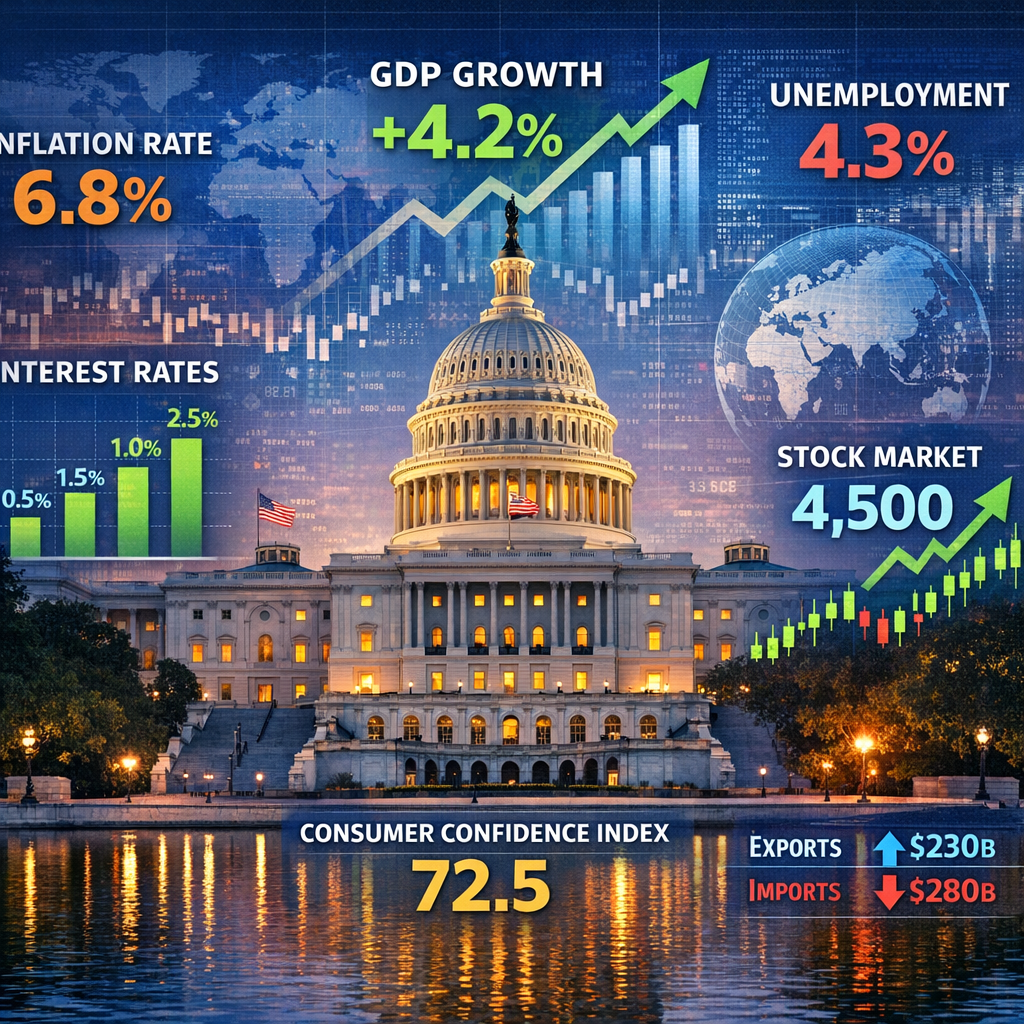
The U.S. economy expanded at a modest 1.5% annual rate in the second quarter of 2026, a drop from the 2.1% recorded in the first quarter. Growth was driven by consumer spending, exports, and business investment — while government spending and imports weighed down overall gains. Domestic incomes rose modestly, with personal income growing around 0.4% in July. Despite wage gains, the squeeze from inflation and high prices remains strong.
Inflation, Energy, and Trade Risks Loom Large
Prices remain elevated, in part due to global energy tensions and disruptions in trade. Inflation-adjusted gains for workers are limited, especially for those most impacted by rising housing, healthcare, and food costs. Meanwhile, the U.S. current-account deficit widened, underscoring deeper trade imbalances and international economic vulnerabilities.
Public Mood and Political Friction as Midterms Approach
With midterm elections approaching, American concern about the economy is high. Opinion polling shows only about one in four adults believe current economic conditions are “excellent” or “good.” Many express frustrations over everyday costs and question whether future economic prospects will improve.
Divided Electorate: No Clear Advantage for Either Party
The public is split on which party has better solutions for economic challenges. Republicans and Democrats are neck-and-neck in credibility over economic policy, reflecting a polarized electorate with limited partisan consensus. Approval ratings for both Congress and the presidency remain low overall, though support remains strong within respective party bases.
Outlook: What to Watch Next
Several trends will be key heading into the rest of 2026:
- Inflation trajectories — especially core inflation once external shocks fade.
- Labor market dynamics, including real wage growth and unemployment.
- Energy pricing, trade policy, and supply-chain stability.
- Election outcomes — particularly in swing states — which may shift federal policy direction.
The full picture is one of a resilient but constrained economy, a worried public, and a political system bracing for a high-stakes midterm season.