

By Layla Al-Mansoori
The world has made important strides in health outcomes over the past decade—including reductions in HIV, tuberculosis, and expanded access to clean water and sanitation.
Status of Global Health Progress
According to a recent World Health Organization report, new HIV infections dropped by roughly 40% between 2010 and 2024, and access to safer drinking water and hygiene showed substantial improvement in many regions. In Africa, for example, HIV declined faster than the global average, and Southeast Asia is on track to reach its malaria reduction milestones.
Emerging and Persistent Risks
Still, progress is uneven and fragile. Malaria incidence has risen since 2015, anaemia among women remains widespread, and rates of childhood obesity are creeping upward. Many countries continue to fall short of the health-related Sustainable Development Goals (SDGs), with the global system increasingly exposed to crises.
Threats Straining Global Health Systems
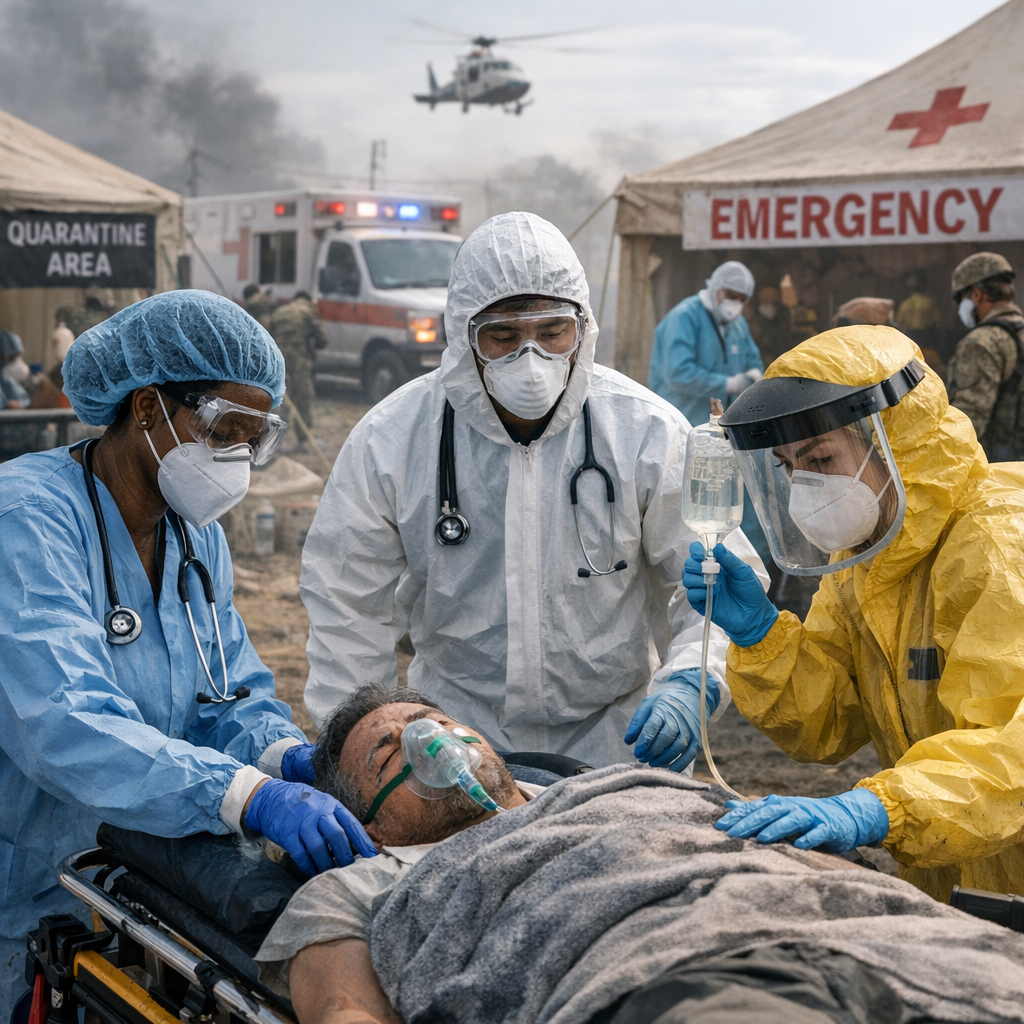
Conflict, displacement, and climate change are magnifying health challenges. The Democratic Republic of Congo is battling a fast-growing Ebola outbreak, while across many regions, drought and disasters drive migration, food insecurity, and disease.
Meanwhile, funding shortfalls and attacks on health infrastructure are weakening responses—distrusting communities, understaffed facilities, and collapsing supply chains exacerbate crises.
Pockets of Hope: Where Action Is Making a Difference
Some regions are leading with stronger prevention efforts, improved data systems, and policies that emphasize equity. WHO’s initiative on research around climate-health-migration seeks to better understand how environmental shifts and population movement intersect with illness and access to care.
Global coalitions are also targeting antimicrobial resistance, vaccine hesitancy, and mental health, with an emphasis on bolstering primary healthcare systems so that communities are more resilient.
What’s Needed for a Sustainable Path Forward
- Invest in health system strength, not just crisis response. Building strong primary health networks, retaining and training workers, and ensuring care reaches remote or vulnerable populations.
- Close the data gap. Better mortality, morbidity, and health service data are essential for targeting interventions and tracking progress—without them, decision-makers remain in the dark.
- Address intersecting risks. Climate change, conflict, displacement, and social inequality are intertwined with health risks—policy and funding must reflect that complexity.
- Rally and sustain global funding and cooperation. As needs grow, the international community must commit stable resources and support for vulnerable regions without retreating during times of global fatigue.
Why This Matters for Us in Dubai and the UAE
Although the challenges outlined may seem distant, their effects ripple globally—impacting supply chains, migration flows, and economic stability. The UAE has shown resilience through strong economic and financial buffers, and has an opportunity to support global health diplomacy and innovation. Collaboration in research, public health infrastructure, and humanitarian aid can amplify positive impacts across borders.
We stand at a crossroads: the health gains of recent years offer a foundation—but whether the world builds upon them with equity, preparedness, and solidarity will determine the next decade’s trajectory.