

By Layla Al-Mansoori — Around the world, efforts to reduce hunger have shown modest gains, but the path ahead is fraught with challenges. Conflict, climate extremes, and rising costs continue to undermine food security in regions already under stress.
Current Trends: Progress with Uneven Gains
Recent reports from the United Nations and FAO estimate that about 645 million people faced hunger in 2025—down slightly from earlier years. Improvements are most visible in parts of Asia and Latin America, where efforts to stabilize food supplies and improve nutrition have made tangible differences. However, in sub-Saharan Africa and Western Asia, hunger and food insecurity have either stalled or worsened. More than 2.1 billion people globally are experiencing moderate to severe food insecurity. These figures remain well above the benchmarks set by the Sustainable Development Goals.
Key Drivers of Declining Food Security
1. Conflict and Displacement
Wars and political instability—especially in the Middle East, East Africa and parts of Asia—disrupt farming, trade routes, and humanitarian aid, pushing communities deeper into crisis. Conflicts have become a major driver of acute hunger, especially where markets collapse or infrastructure is destroyed.
2. Climate Shocks and Environmental Strain
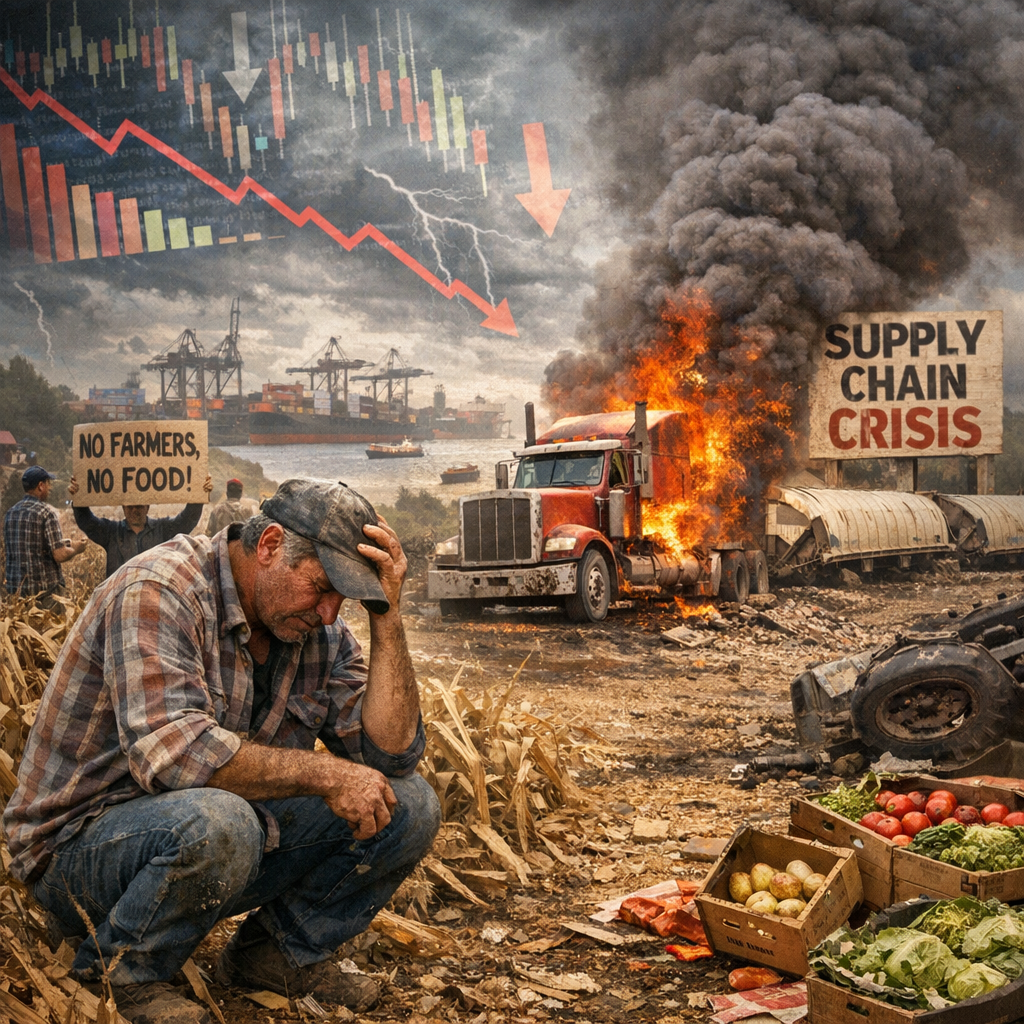
More frequent droughts, floods, and temperature extremes are undermining crop yields. Meanwhile, agricultural input costs—like fertilizer—are rising, partly due to disrupted supply chains and energy price volatility. Together, these make farming riskier for those who depend on it most.
3. Economic Pressures and Rising Costs
Food price inflation, high import dependence, and currency volatility are placing diets further out of reach for millions. When staple foods and healthy nutrition become unaffordable, households often resort to less nutritious or insufficient diets.
Risks and Turning Points
Without sustained effort, the world risks backsliding. Fragile states and conflict zones are particularly vulnerable to food shocks. Malnutrition in children may rise; long-term health consequences could limit economic growth. Regions dependent on food imports and vulnerable to supply chain disruptions will continue to suffer higher food prices.
Pathways Forward: Building Resilience
Several strategies offer promise:
- Strengthening local and regional food systems to reduce dependence on imports and enable quicker responses to crises.
- Scaling up nutrition-sensitive social protection, like school feeding programmes and cash transfers, to support vulnerable families.
- Investing in climate-smart agriculture—drought-resistant seeds, sustainable water systems, and improved practices—to adapt to changing environmental conditions.
- Ensuring equitable access to finance and technology, especially for smallholder farmers and communities left behind by global markets.
- Maintaining open trade corridors and reducing disruptions in international supply chains, including for fertilizer and energy.
For Dubai and the wider UAE—and countries across the Gulf—many of these trends hit home. Heavy reliance on food imports, sensitivity to global shipping disruptions, and sharp sensitivity to price swings mean that the risks outlined above are not abstract. Strengthening local capacity, diversifying supply lines, and engaging in regional agricultural investments may be key security measures not just for remote areas, but for everyone.
The fight against hunger is far from over—but so, too, is the opportunity to change course.