

By Layla Al-Mansoori
The Strategic Significance of the South China Sea
The South China Sea remains a hotspot of territorial disputes, involving China, the Philippines, Vietnam, Malaysia, Taiwan, Brunei and others. Much of the tension stems from overlapping claims over islands, reefs, and maritime zones—many of which are rich in marine resources, oil, and gas.
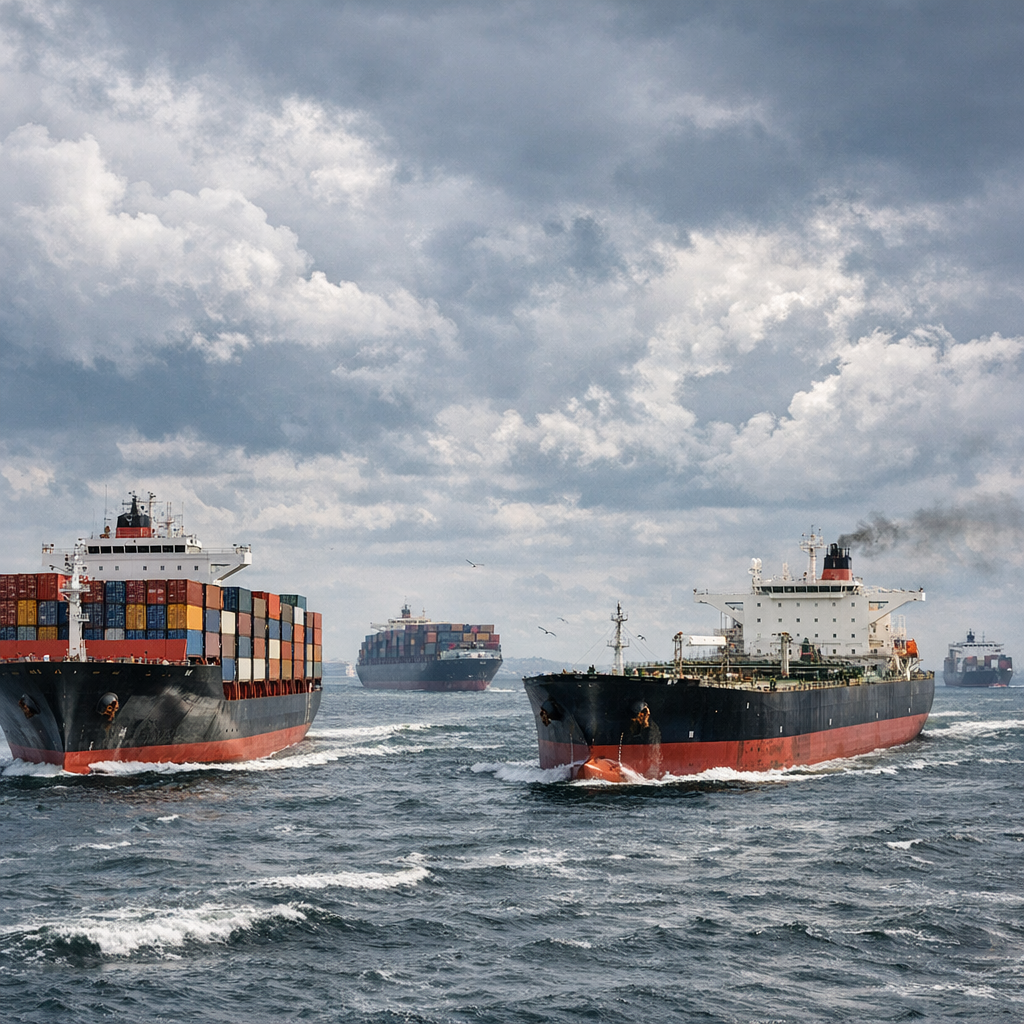
Beyond natural wealth, the sea is a vital artery of global commerce. It’s estimated that over one-third of the world’s maritime trade flows through these waters. Disruption—military or otherwise—could ripple through supply routes, energy imports, and trade patterns worldwide.
Recent clashes, such as ship confrontations and territorial claims at seabed levels, have deepened mistrust. Disputes over fishing rights and seabed mining are escalating without comprehensive diplomatic resolution. Meanwhile, freedom of navigation operations by external powers aim to counter what some consider excessive assertions of control.
Reconfiguring Global Supply Chains under Structural Change
The global trade architecture is shifting. Rather than a return to pre-pandemic arrangements, many multinational corporations and governments are embracing supply chain agility, diversification, and closer regional collaboration. Reshoring and dual sourcing are becoming more prominent as firms seek resilience alongside efficiency.
Artificial intelligence and automation are emerging as cornerstones of these transformations. AI-driven forecasting, autonomous operations, and digital twins help companies anticipate disruptions. Meanwhile, physical AI—robots, sensors and IoT in factories and ports—is enhancing adaptability.
Trade policies also respond in kind. Protectionist measures, export controls over critical minerals, and tighter regulations are reshaping value chains. At the same time, developing economies are under pressure: growth is slowing, and increasing trade fragmentation may affect their participation in global production networks.
Green Energy and International Cooperation
Climate realities have placed energy transition at the center of geopolitical and economic discussions. As nations aim to meet emissions targets, renewable energy generation and energy efficiency are rising in priority.
Cross-border collaboration is proving effective. Joint projects and shared support mechanisms are helping regions balance cost, resources and infrastructure challenges. Cooperation allows nations to tap into differing advantages—solar in sun-rich areas, wind where geography favours it—while sharing investment burdens.
Yet, challenges remain: aligning policy frameworks, distributing costs and benefits fairly, overcoming political or legal obstacles, and ensuring grid infrastructure can handle variable power generation. Transparency and mutual trust are essential.
Global Impacts and What Communities Can Expect
For communities far from the South China Sea, the effects are still tangible. Shipping delays, rising freight costs, or increased mineral prices can translate into local price inflation. For energy-importing countries, renewable capacity and framework stability can impact electricity bills and access. Observers can expect more diplomatic tension where sea rights overlap, trade rules shift, or environmental commitments are scrutinised.
In the UAE and wider Middle East, supply chain adjustments may open new opportunities for investment in green industries, logistics hubs, and clean-energy exports. Diplomatic agility—participating in multilateral institutions, trade deals, cooperation on regional energy grids—can help mitigate risks and seize gains.
Ultimately, the global tapestry is being rewritten: sea rights, supply lines, and energy systems are no longer peripheral issues, but central to economic security and strategic positioning.