

By Sara Al-Dhaheri
1. Fitness trends shaping everyday movement
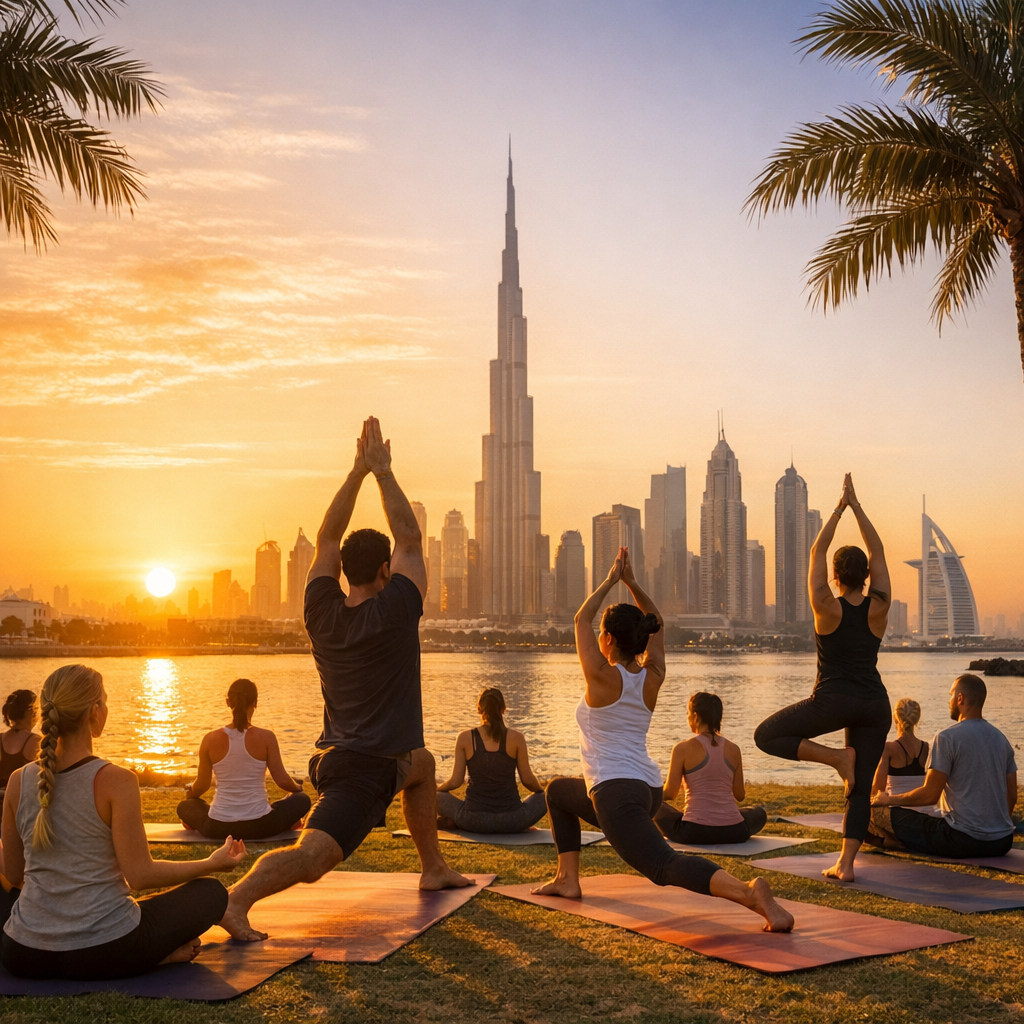
In Dubai, fitness is more than just working out—it’s about feeling well in body and mind. A recent GymNation 2026 Health & Fitness Report showed that 46% of people exercise four or more times a week, with strength training, HYROX, yoga and Pilates among the top interests. Many new gym members (51%) are true beginners, showing a growing desire to start fresh without feeling judged. Affordability and accessible locations are increasingly important factors. The rise in hybrid fitness facilities—blending gyms, studios and community spaces—is part of a new norm.
2. Mental health getting stronger focus
More residents in Dubai are recognising that exercise isn’t just for the body—it’s a powerful tool for mental health. Around 90% of people in the UAE say mental well-being is a top priority. Motivations like reducing stress, improving energy, and lifting mood are rising alongside more traditional fitness goals like appearance.
To support these rising needs, the Dubai government has launched services such as Itma’en, a free hotline (800-506) offering mental health guidance and counselling confidentially. Whether you’re struggling with stress, anxiety, or need someone to talk to, trained professionals are available to help.
3. Simple habits for sustainable healthy living
Beyond gyms and helplines, small daily choices add up. The UAE’s Ministry of Health recommends balancing your plate—half with fruits and vegetables, a quarter with lean protein, and a quarter with whole grains. Reducing salt, avoiding processed foods, limiting sugary drinks, and cooking with minimal oil are all key steps.
Exercise guidelines suggest 150–300 minutes of moderate aerobic activity per week (such as brisk walking or dancing), or 75–150 minutes of vigorous activity (like running or swimming). Plus, two to three strength training sessions weekly help maintain muscle health, metabolic wellness, and long-term resilience.
4. Overcoming common challenges
Even with strong motivation, people face obstacles: gym costs, time constraints, feeling intimidated or unsure how to begin. Fitness venues that offer flexible membership plans (pay-as-you-go or short-term passes), women-friendly hours or spaces, and beginner-friendly classes are helping bridge these gaps.
Taking advantage of public services like Itma’en or Sakina Helpline for mental health support, using designated clinics for psychological help, or simply speaking with a trusted professional can also make a big difference when stress feels overwhelming.
5. Structuring a balanced wellness routine
Here’s a checklist to guide you long-term:
- Pick an activity you enjoy—walking, swimming, dance, or gym class—to help you stay consistent.
- Set small, measurable goals like “30 minutes of walking three times a week” rather than vague aims like “get fit.”
- Include rest and recovery: rest days, stretching, sleep of 7-9 hours all protect against burnout and support mental clarity.
- Stay connected—group classes, walking with a friend, virtual fitness communities keep motivation alive.
- Monitor progress not just in how you look, but how you feel—energy, mood, sleep, and stress levels are just as important.
Conclusion
Dubai is seeing a shift in what “healthy living” means: it now includes mental well-being, affordability, and sustainable habits. Whether you’re brand new to fitness or returning after time away, building a balanced routine with both body and mind in mind is within reach. Every step, every meal, every moment of mindfulness makes a difference.