

By Huda Al-Awadhi
Balanced growth across renting, sales, and development
Dubai’s real estate market remains active, but its rhythm is shifting. Sales of residential properties in the first half of 2026 reached over AED 226 billion — making it the second-strongest first half on record. More than 80,000 homes were traded, showing that demand continues even as buyers grow more discerning.
A striking 71.3% of homes sold were off-plan, underscoring ongoing interest in new developments tailored to modern living.
Meanwhile, tenancy contracts rose both in volume (+6%) and value (+17%) year-on-year in 2025, reflecting a rental sector that’s holding its ground firmly.
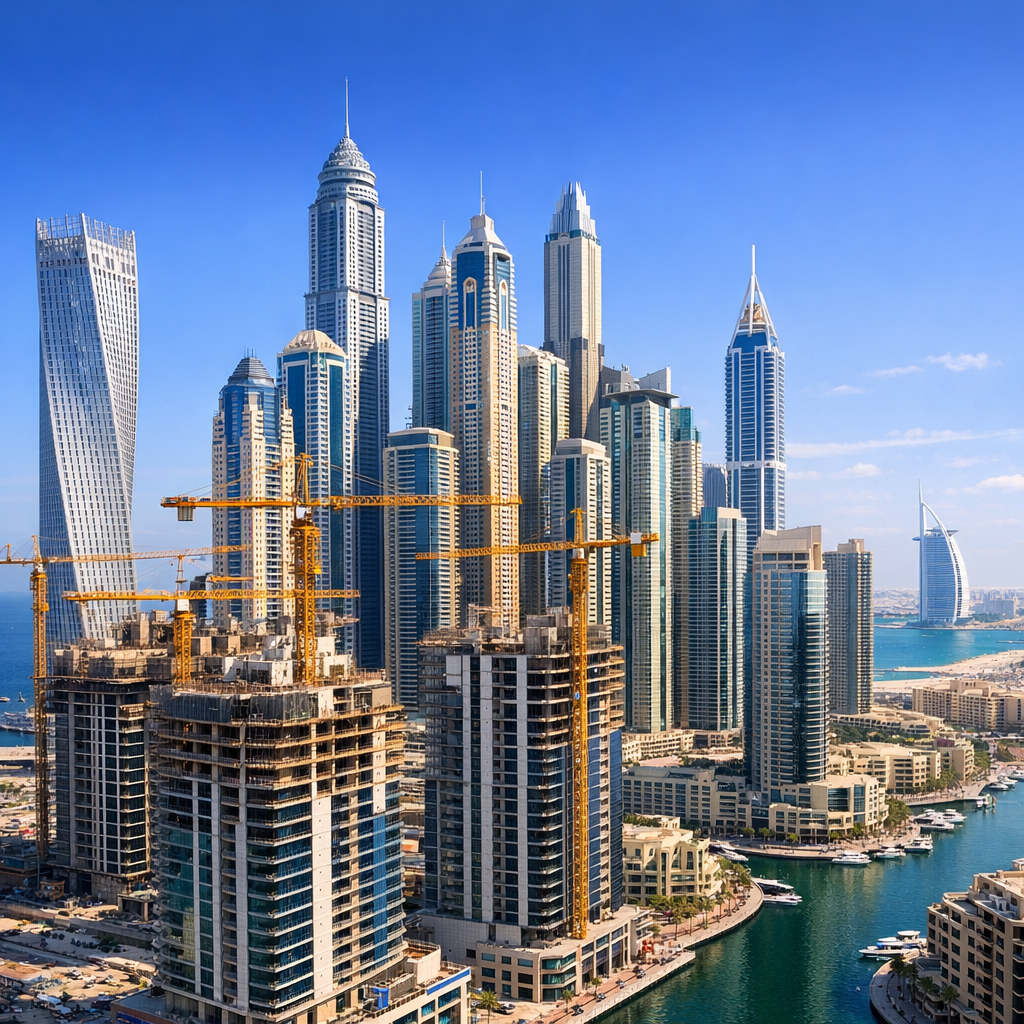
New project launches remain plentiful, with official registers listing hundreds of developments underway and many more in the pipeline. Supply is high, especially in the off-plan category, where around four-fifths of active new-builds are in Dubai.
At the same time, major villa and townhouse communities continue to appreciate in value faster than apartment zones.
What’s changing for renters and what to expect
Rental trends are becoming more nuanced. After years of steep increases, the growth in rent is now moderating. Vacancy rates are rising slightly, especially during off-peak seasons (for example, summer months), putting some downward pressure on prices in certain neighborhoods.
Long-term leases and annual contracts are gaining popularity among tenants, particularly in established communities like JVC, Al Furjan and JLT — where stability, access to schools, transport links, and amenities matter more than flashy new towers.
That said, luxury segments and well-located properties continue to command strong rents, with less exposure to softening seen elsewhere.
Off-plan properties: what to watch
Off-plan developments are dominant, making up around 80% of Dubai’s active new-build projects. However, affordability entry points are shifting—while over a third of off-plan units still come in under AED 1 million, very few are available under AED 500,000. A growing share of projects now start at AED 2 million or more, placing them in the threshold for benefits like the 10-year residency option.
Buyers here are more cautious: reputation and track record of developers, construction quality, completion timelines, and resale potential have become decisive features rather than just the brand name or launch hype.
Luxury demand and infrastructure as value drivers
High-end properties remain a strong pillar in Dubai’s market. Homes priced above US$10 million saw around a 23% increase in transactions year-on-year in the first half of 2026. Prime villa communities, waterfront developments, and ultra-luxury branded residences are in short supply, meaning competition remains strong.
Infrastructure is increasingly shaping value. Access to mass transit lines, including future metro extensions, proximity to major highways, and connections to employment hubs are influencing both buyer and renter preferences. Communities close to established or upcoming infrastructure — like Dubai Creek Harbour, Dubai Silicon Oasis, or areas served by new transport corridors — are seeing renewed interest.
Looking ahead: what market watchers should keep an eye on
- Supply vs demand balance: With so many new-builds underway, especially off-plan, absorption rates in mid-market apartments will be key to avoiding oversupply pressure.
- Regulatory clarity: Rules around residency eligibility via property value, equity payment requirements, and licensing will continue to affect both investment decisions and pricing confidence.
- Buyer profiles: Are purchases mainly by end users or investors? Are investors local or overseas? Different motivations may shift how properties are marketed and priced.
- Cost pressures: Mortgage rates, construction material costs, and labor costs may impact both pricing and the pace of development.
- Micro-location matters: Even within Dubai, nearby infrastructure, amenities, school access, walkability, and community services are making growing differences in value.