

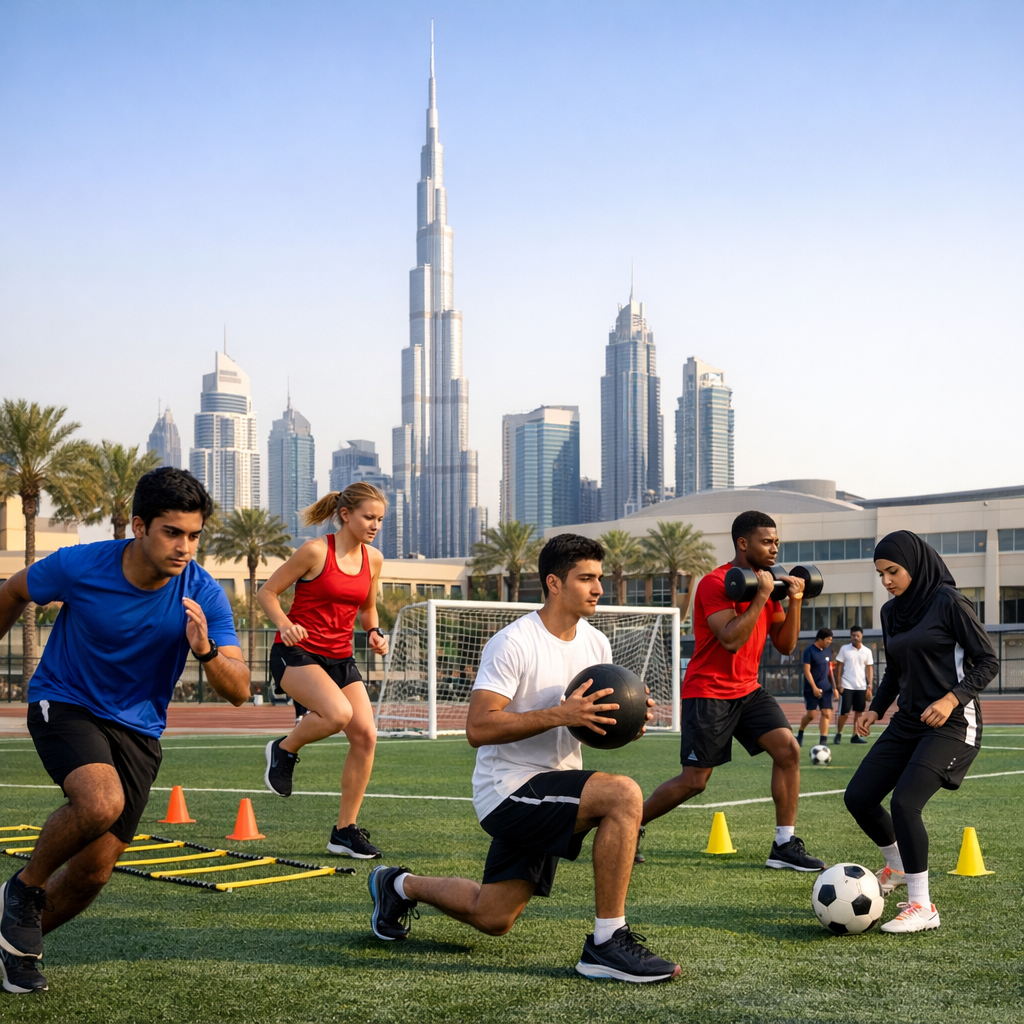
Dubai is seeing a shift in how sports development is being woven into the lives of young people. From schools redesigning programmes to national strategies that focus equally on competitive success and everyday fitness, there’s a growing effort to build a holistic sports environment for all.
National Frameworks Setting the Foundation
The UAE’s National Sports Strategy 2031 lays out a bold agenda: encourage sport participation among 71% of the population, develop athletes ready for major tournaments, and improve sports education and regulation. It aims not just for elite performance, but for the everyday benefits of well-being and community unity.
Some of its key goals include growing the number of UAE athletes in the Olympics and developing national levels of professionalism in coaching and competition.
This strategy also shapes legislation: the UAE Sports Law was recently updated to ensure all residents, including those with disabilities, can participate in sports and that communities have access to facilities. These laws support the goal of bringing sport and fitness into daily life for people across ages and abilities.
Schools as Sports Talent Incubators
Recognising that talent often shows up early, the Ministry of Education and Ministry of Sports have launched programmes to turn schools into sports hubs. Their “National Schools for Sports Talents” initiative works in over 40 public schools, with certified coaches and support from federations, offering both team and individual sports to nurture young athletes.
Meanwhile, the Dubai Schools Games continues to grow — last season over 25,000 students from nearly 200 schools took part in upwards of 25 sports. The event builds not just competition, but structured pathways: performance is tracked via “Talent Cards,” allowing promising students to advance to national and elite-level training.
Community Sports: Beyond the Playing Field
For many students and residents, sport isn’t only about medals. Community initiatives aim to foster health, social connections, and enjoyment. Examples include themed leagues for specific groups like the Filipino community that combine competition with cultural engagement.
Dubai Sports Sector Strategic Plan 2033 sets targets such as raising active participation to 2.6 million people, expanding women’s sports year-round, and ensuring sports facilities are embedded in the design of new neighbourhoods.
Challenges and Path Forward
While the vision is ambitious, several challenges remain. Access to high-quality coaching in more remote areas, balancing sport with academics, and sustaining funding beyond major events are ongoing issues. School sports tend to benefit private institutions with more resources, creating disparity among students.
Overcoming these gaps will require closer partnerships between government bodies, schools, and community groups. It means investing in coaches, infrastructure, and ensuring sports remain inclusive – for students in public and private schools alike, and for women and those of determination.
The Heart of the Matter: Sport as Lifelong Culture
When sport is woven into daily life—not just reserved for tournaments—it helps build healthier, more cohesive communities. Dubai’s combined focus on legislation, school talent pathways, community leagues, and inclusive facilities suggests the emirate is pushing toward that truth.
For young athletes, that means more opportunities to try different sports, grow at their own pace, and see sport not just as ambition, but as part of growing up.