

By Ali Al-Ameri
Dubai is many things: a skyline of soaring towers, a global business hub, a meeting point of cultures. But what actually makes someone feel at home here? I want to share reflections on what everyday integration looks and feels like—for expats, for locals, for communities—because beyond policy and visas, the heart of this city is carved in moments of connection.
Adapting without giving up your roots
For many middle-class migrants—such as the Pakistani community—feeling ‘integrated’ isn’t about becoming indistinguishable. It’s about being part of daily life: knowing neighbours, celebrating your festivals, engaging at work, yet still calling family traditions home. There are practical challenges, like visa renewals or navigating regulations, but stories from people who’ve lived here for decades show how personal relationships often bridge gaps between systems and belonging. They ask: can I raise my kids here? Do I see this place long‐term? These are the real questions of attachment.
Spaces where we meet, not just pass by
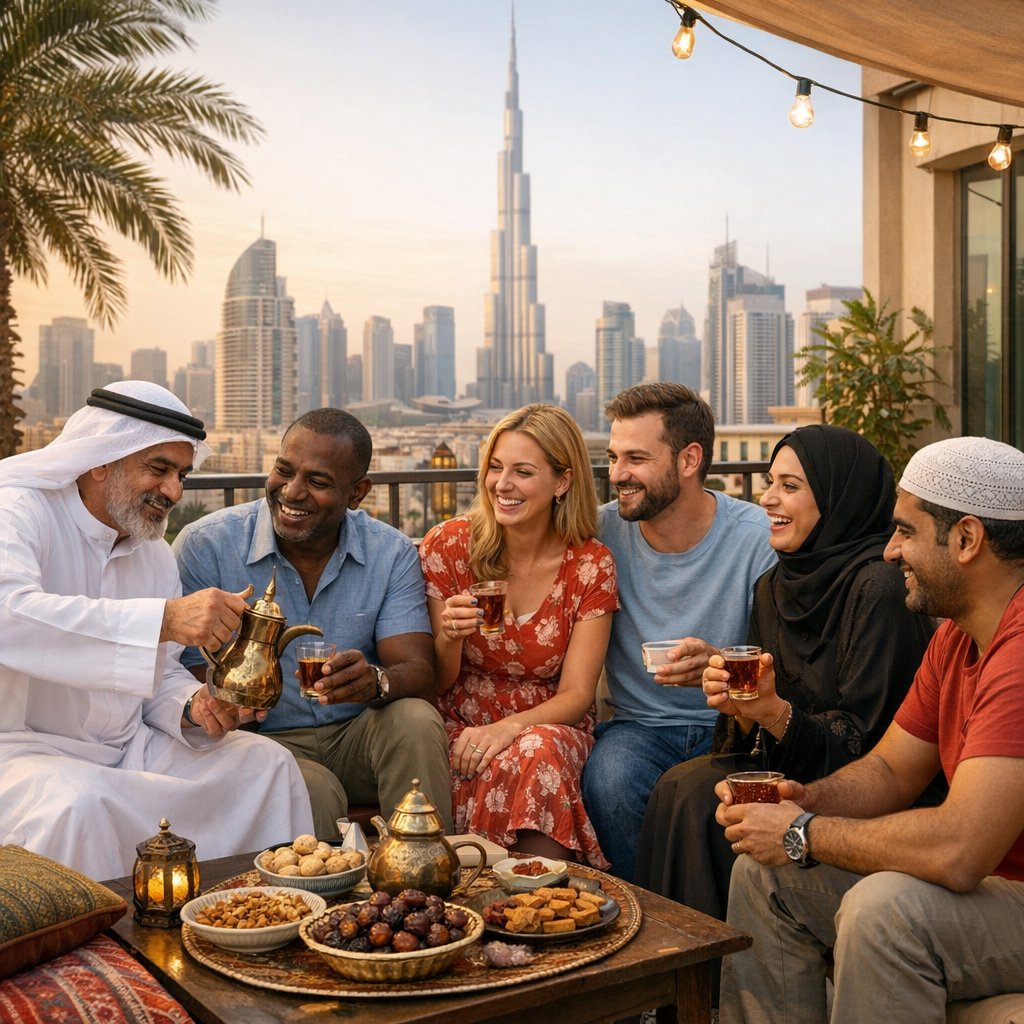
Integration deepens when communities share spaces—running clubs at dawn, art galleries in Al Quoz, small supper clubs or sometimes just gathering in mom-and-pop cafés. Such pockets of interaction are where people from different nationalities use music, food or conversation to find each other. It’s in the local DJ nights playing GCC sounds, in open-mic gatherings, in “neighborly” WhatsApp groups or shared walks in parks. Spaces for connection, rather than spectacle, are what help make everyone feel a part.
Being seen, being heard
Belonging comes from feeling respected. Expats say it when rules and customs are honored—small gestures often mean a lot. Emiratis often say that what bothers them most is disrespect, not the presence of others. So acts like learning basic Arabic greetings, understanding expectations around modesty, or embracing elements of local culture aren’t signs of surrender—they’re signals that this place matters to you. And when institutions listen—when labourers can give feedback to improve police services, for example—that sends a powerful message that every voice counts.
Living in between—and finding your own path
Many longtime residents describe living “in between.” Their lives are split among where they were born, communities they left, and where they hope to be. Dubai offers a space where that in-between can become something strong: where two worlds don’t clash but converse. Holding on to where you come from, while choosing to invest in the future here, means creating hybrid identities—with language, friendship, family and belonging all woven together.
What helps build belonging—and what we can all do
- Be curious and open. Say salam, smile in the elevator, ask what people’s homes are like.
- Create informal community spaces—not every week, not always sponsored, just a gathering.
- Respect local norms—not because you have to, but because they are part of what Dubai is.
- Listen to feedback—both from the newest arrival and the family who’ve lived here generations.
- Bring your own culture with pride, and share it openly—food, music, stories.
Belonging isn’t given. It’s built—in conversations, in shared meals, in courtesy, in listening. In Dubai, where people come and go, the people who stay build the very texture of home. That takes more than policies—it takes humanity, every day.