

By Ahmed Al-Hamed
Growing Mistrust and Political Strains
A series of recent surveys reveal that trust in the U.S. federal government has declined significantly. Majorities across party lines report little to no confidence in the government’s information on elections, foreign affairs, and environmental issues. Even on vaccine safety and recommendations—usually less politically charged—a large segment say they trust federal guidance only “a little” or “not at all.” Political polarization continues to intensify, as many feel too much national power is concentrated, and legislative cooperation remains elusive.
What Americans See as the Main Problems
- Money in politics and affordability of health care rank highest among public concerns.
- Inflation, hard-pressed families, and rising housing costs follow closely.
- Issues such as gun violence, immigration, and democracy’s health also occupy large shares of worry.
Economic Resilience Amid Headwinds
The U.S. economy is displaying a mixed but steady trajectory. Gross domestic product grew by 1.5% in the second quarter, down from earlier higher rates but still positive, with growth driven by consumer spending and exports. Meanwhile, inflation remains well above the 2% target, especially when energy and import costs surge. Prices for food, housing, and energy are biting into household budgets. In parallel, investment in artificial intelligence, infrastructure, and technology is strong, offering hope for future productivity gains.
Risks Along the Horizon
- Trade disruptions and tariff policies threaten import-price pressures and supply chain stability.
- Geopolitical pumping of energy prices, especially in the Middle East, is adding inflationary weight.
- Mounting concerns about government deficit levels and the long-term sustainability of fiscal policy.
The Midterms Looming and What Voters Care About
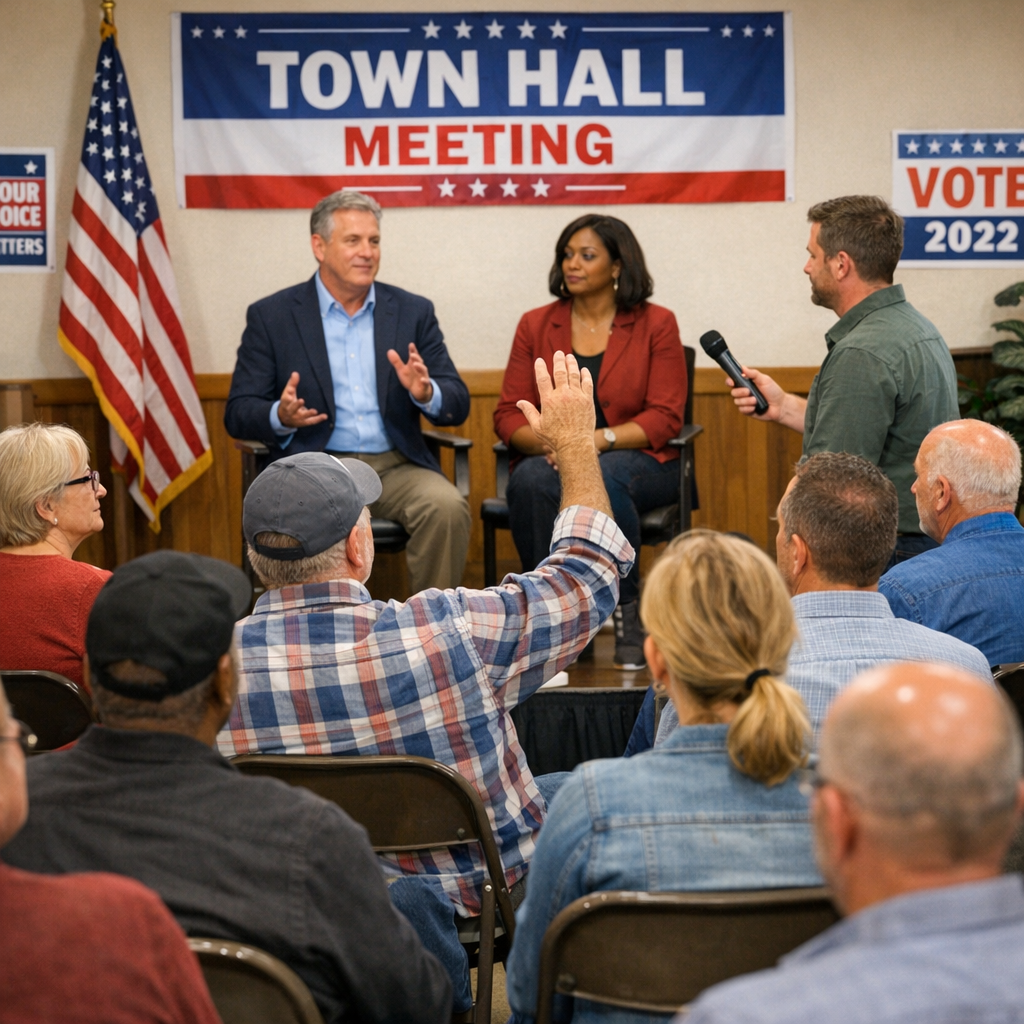
With the U.S. midterm elections approaching, political parties are sharpening their focus. Voters are pushing for solutions on affordability—health care, housing, and inflation are dominant themes. Immigration enforcement, trade policy, and foreign policy (notably tensions with Iran) are pressuring both incumbent leadership and challengers.
How elected officials respond to these issues will likely shape the 2026 elections: Will politics shift toward bipartisan problem solving, or deepen divisions? One thing is clear: For many Americans, the stakes feel very real.