

By Layla Al-Mansoori
As our world grows more interconnected, events from far beyond UAE’s horizons continue to shape daily life at home. Growing displacement, diplomatic evolution, and strained cooperation reveal both challenges and opportunities that should command our attention.
Surge in Forced Displacement
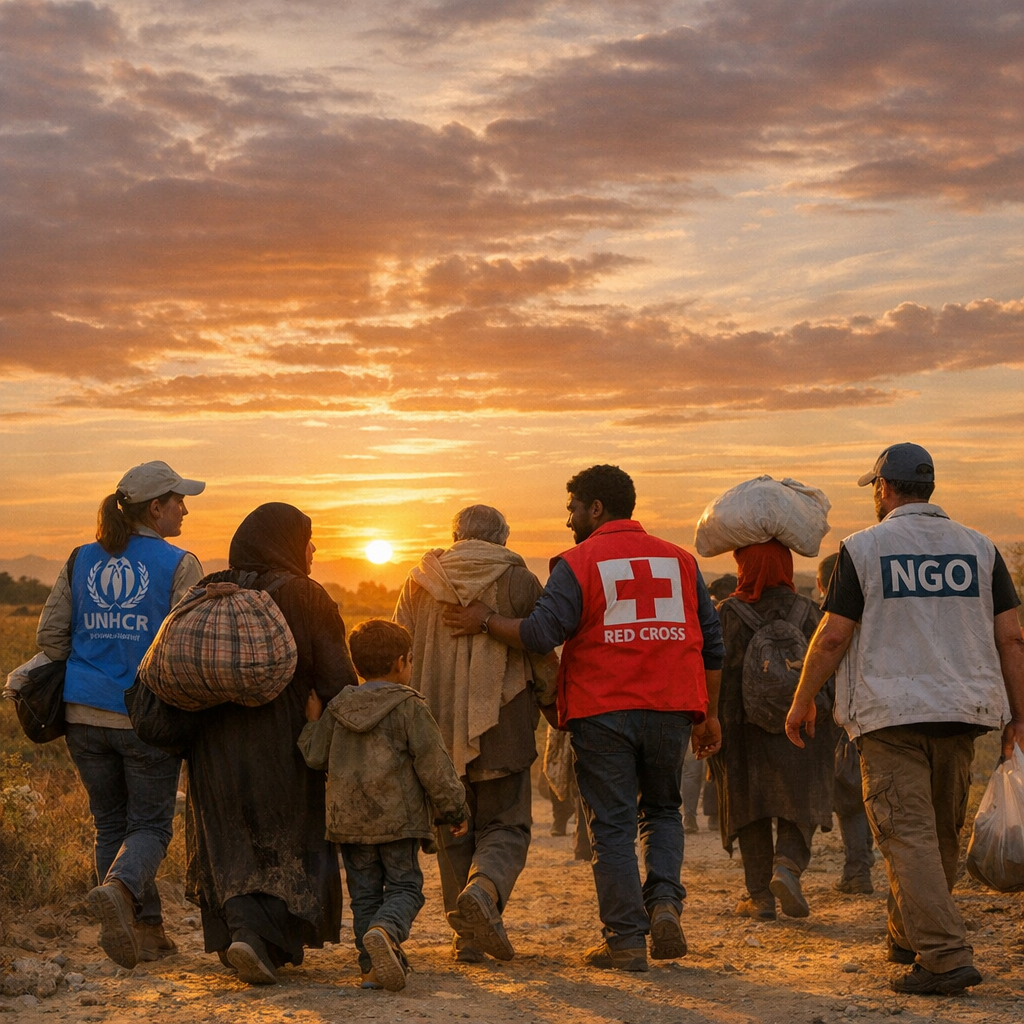
According to UN data, by the end of 2025 there were about 41.6 million refugees worldwide—including asylum-seekers, people under UN protection regimes, and internally displaced populations. Another 68.7 million people have been forced to flee within their own countries due to conflict, violence or other pressures. These numbers, while slightly lower than previous years, still represent pervasive instability across many regions. Countries near crisis zones continue to carry the greatest burden.
Sudan stands out as a particularly dire case: over 9 million Sudanese remain internally displaced, even as many attempt to return to home regions where conflict has eased. However, returns are complicated by damaged infrastructure, limited economic opportunity and uneven services.
Dip in Humanitarian Funding & press on Protection
As humanitarian needs stay alarmingly high, funding shortfalls have worsened. UNHCR and partner NGOs report operations cut or suspended in many areas. In some countries like Iran, Lebanon and Afghanistan, aid operations are under-resourced just when the protection needs are escalating.
Protection risks—including gender-based violence, lack of basic services, and insecure return environments—persist for those who have fled conflict. Returns of refugees are not always safe or sustainable; many remain vulnerable long after crossing borders.
Diplomatic Shifts & UAE’s Role Abroad
Meanwhile, diplomacy continues to evolve. The UAE has deepened ties with Portugal through new political consultations focusing on trade, defense, culture and mutual support at international bodies. The timing marked the 50th anniversary of diplomatic relations between the two countries.
In Washington, the UAE reiterated its stand on regional stability, especially the importance of keeping key sea lanes like the Strait of Hormuz open and its resilience against threats to its sovereignty. Cooperation with the United States emphasized shared priorities in economic policy, humanitarian protection and defense.
The State of Global Cooperation: A Crossroads
Humanitarian crises across the globe—whether in Sudan, Gaza, or Rakhine state—point to a worrying trend: while crises compound, international attention and funding are often fragmented. The result is a patchwork of responses that leave large populations without adequate protection or durable solutions.
Yet despite challenges, there are signs of progress. More people are returning home in some regions—though often under difficult circumstances—and diplomatic initiatives like the UAE-led or hosted talks show promise in diversifying peacebuilding efforts. What remains essential is turning commitments into lasting frameworks that integrate displaced populations into resilient societies.
Why This Matters for Dubai and the UAE
Situated between continents, the UAE is deeply affected by global displacement and diplomacy. It hosts many who have fled conflict, engages in global safe navigation and trade policy, and contributes to international humanitarian and development efforts. What happens abroad—be it instability or cooperation—has ripple effects here, from trade and security to social cohesion.
As we look ahead, the test for global actors—including Dubai and the wider UAE—is whether they can help shape responses that are not just reactive but preventive; not just temporary, but transformative. Diplomacy, funding, human rights protections—all must be aligned with long-term global stability.