

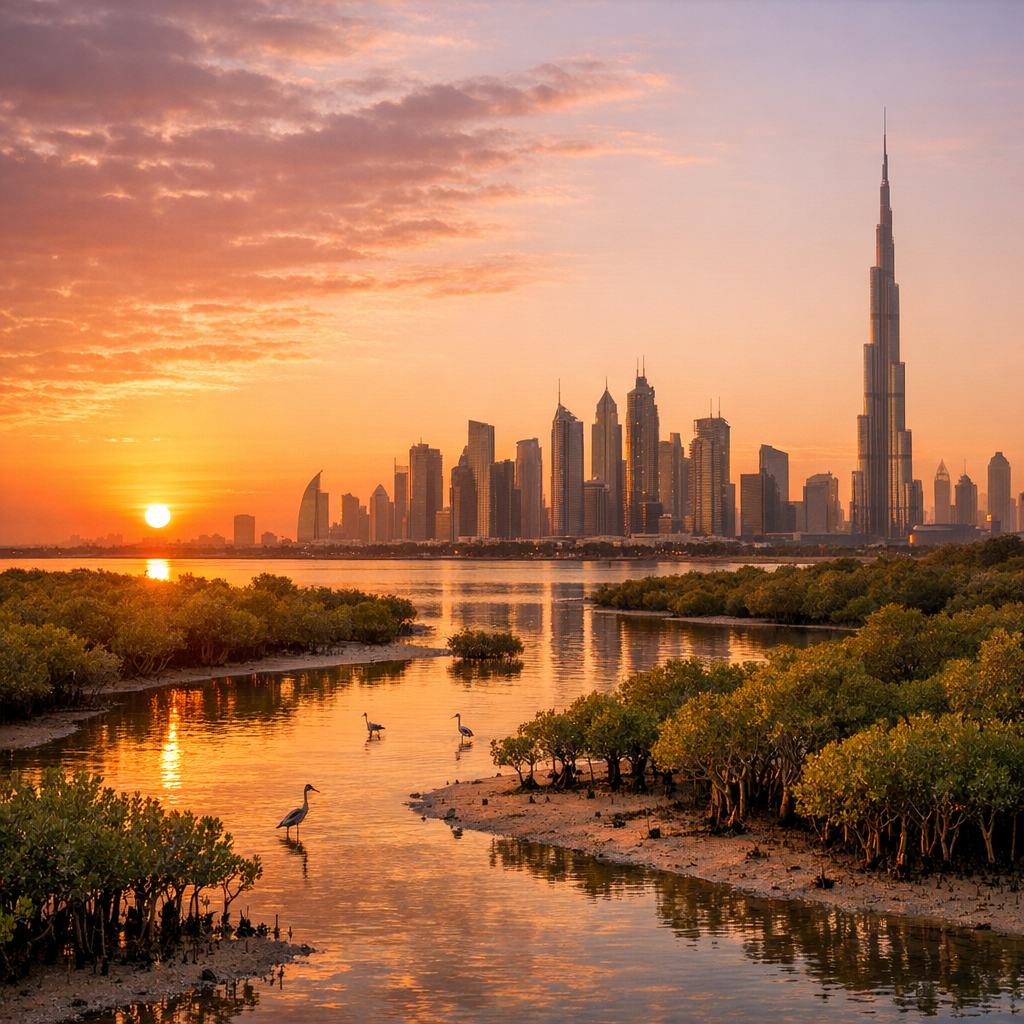
Dubai’s climate and environment are shaped by its unique geographic setting—desert expanses, long coastline, and proximity to the Arabian Gulf. While the climate brings beauty and character, it also poses challenges that affect daily life and long-term sustainability.
Climate and Seasonal Features
Dubai has a hot desert climate, with summer heat that can rise above 40 °C, accompanied by high humidity, especially near the coast. Winters are milder, with daytime temperatures in the mid-20s °C and cooler nights. Rainfall is minimal and concentrated in the winter months, often arriving in short, intense showers or thunderstorms. Along the eastern parts and Hajar Mountains, precipitation is higher than in the desert coast, feeding several temporary wadis.
Changing Patterns Over Time
Recent analyses show rising average temperatures across the UAE, including more frequent hot-hunters in summer and mild winters with fewer cold nights. The daily and seasonal temperature swings are more extreme in inland desert areas, while coastal zones have more moderated fluctuations due to the Gulf’s influence.
Environmental Pressures: Water, Heat, and Land
Water scarcity is central. Most drinking water comes from desalination, which is energy-intensive and sensitive to rising heat and demand. Desertification—land losing its ability to support vegetation—is another pressing concern, particularly when overuse, development or lack of soil cover amplify erosion.
Urban Heat Islands and Coastal Threats
Dubai’s urban development creates pockets where nighttime temperatures stay much higher than surrounding desert or coastal areas. These urban heat islands worsen heat exposure for residents. Meanwhile, rising sea levels and warming seas threaten coastal infrastructure, marine ecosystems like mangroves, and habitats of coral.
What Is Being Done—and What You Can See
The UAE is pursuing many programs to address these issues. There is a strategy to reach climate neutrality by 2050, institutional initiatives to restore degraded land and protect water resources, and bodies of natural reserve covering significant land and marine territory. For example, Dubai has launched mangrove-planting and beach clean-up drives, restoring habitat and helping with carbon capture.
How You Can Contribute
- Use water wisely—fix leaks, reduce garden irrigation, collect grey water if possible.
- Support green canopy—plant trees or shrubs suited to arid climates; they can help cool local areas.
- Advocate for sustainable design—shade, reflective materials, ventilated spaces reduce building heat loads.
- Reduce single-use plastics and help in clean-ups to protect soils, wildlife, and coastal ecosystems.
Dubai’s weather and environment demands respect for the delicate balance between human comfort, natural systems, and climate change. Through awareness, policies, and everyday choices, we can help protect the emirate’s future.