

By Aisha Khalifa
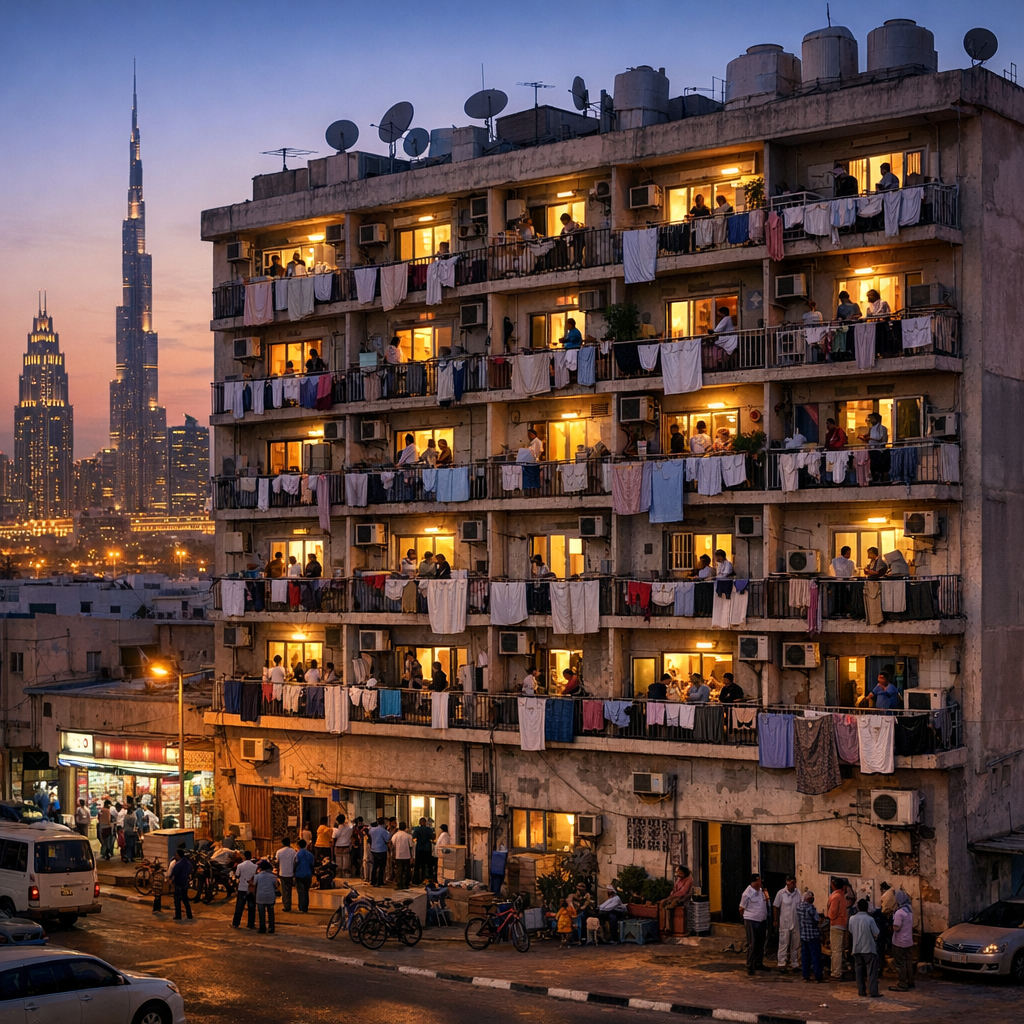
In recent months, residents and community leaders in Dubai have raised growing concerns about the safety and living conditions in several apartment buildings used primarily by low-income and migrant workers. Reports indicate that apartments are being illegally subdivided into smaller units, often without proper ventilation, fire safety measures, or structural approval.
What’s happening in housing enforcement
Dubai authorities have increased inspections following a fire at a high-rise in Dubai Marina which drew attention to partitioned units that compromised safety. Buildings constructed with spacious apartments have been packed with makeshift rooms, often occupied by multiple occupants with limited access to exits or emergency infrastructure.
Officials say many landlords and operators have been in breach of building codes, avoiding the formal permitting process or ignoring regulations regarding approved layouts, fire safety equipment and utility connections. In some cases, water supply and sanitation are also sub-standard.
Impact on residents and worker wellbeing
For the people living in these subdivisions, the costs can be high. Spaces often lack natural light and airflow, increasing risks of heat-related illness in Dubai’s climate. Overcrowding puts strain on shared facilities such as bathrooms and cooking areas. In emergencies, narrow corridors and unauthorized doors can obstruct escape.
Migrant workers, often tied by employers or informal housing arrangements, are particularly vulnerable. Many feel they lack clear avenues to report unsafe conditions without fear of repercussion or eviction.
Steps being taken, and what more can be done
Authorities have begun enforcing stricter inspections and implementing penalties for landlords found violating codes. In tandem, support NGOs and residential communities are advocating for greater transparency in housing contracts and for regular audits by the municipality.
Community voices suggest several solutions:
- Dedicated hotline or online service for anonymous reporting of unsafe or illegal housing conditions
- Information campaigns in multiple languages to ensure everyone understands safety and tenancy rights
- Collaborative programs between employers, landlords, and city regulators to ensure housing provided meets basic standards
- Periodic safety check certificates required before occupancy by multiple tenants
As Dubai continues its rapid expansion and the demand for affordable worker housing persists, striking a balance between growth, affordability and safety is becoming a pressing issue for city-level governance. Residents across the emirate expect that every apartment, regardless of size or price, upholds the safety and dignity of those who call it home.