

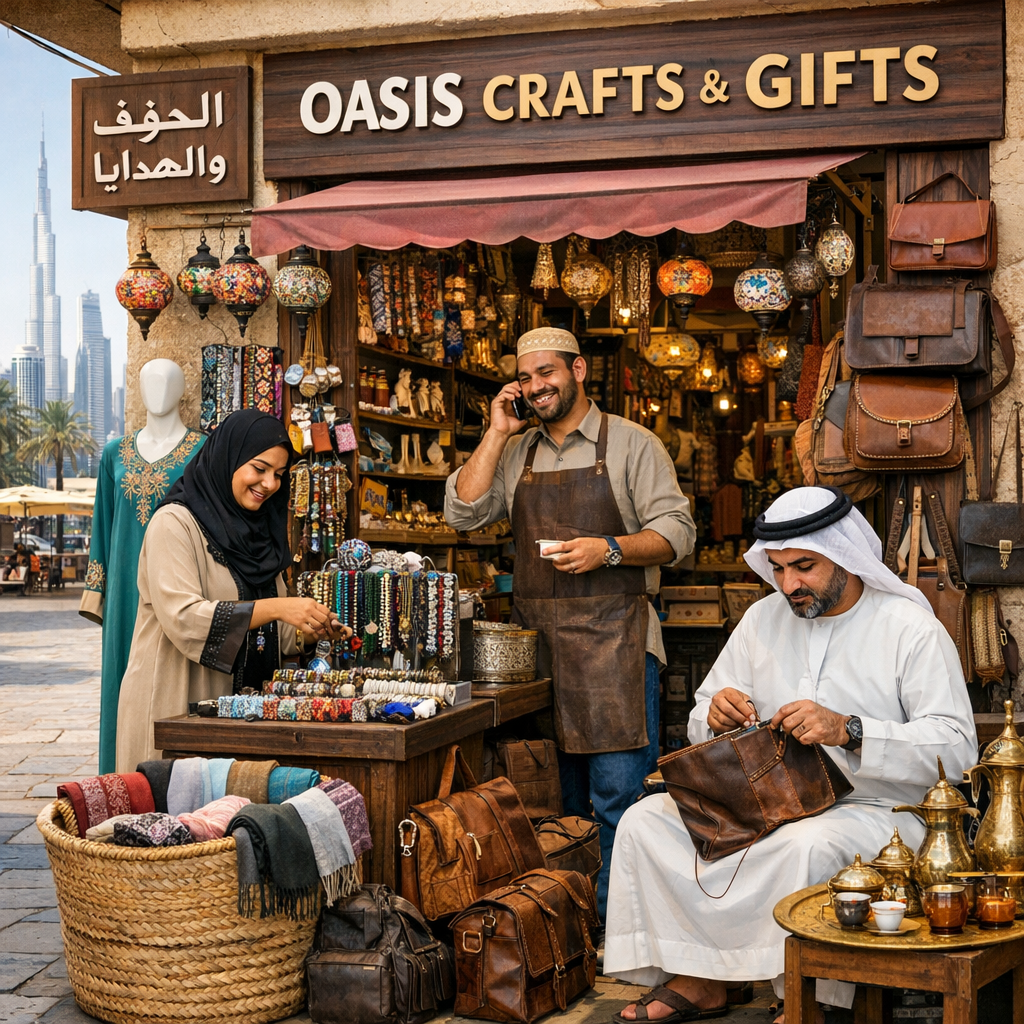
Dubai’s economy continues to grow, and with that comes both opportunity and pressure for local businesses. For entrepreneurs and small- to medium-sized companies (SMEs), success now depends on seizing emerging trends while navigating cost increases and evolving expectations.
What Dubai’s Economy Is Offering Right Now
The emirate’s GDP reached AED 232 billion in the first quarter of this year, up 2.4% compared to the same period in 2025. Key sectors driving that growth include construction, utilities and essential services, and health and social work. Wholesale and retail trade also remain the largest contributors to overall GDP.
The UAE’s entrepreneurial environment holds strong: high infrastructure quality, enabling government policy, and openness to foreign investment make launching a new business relatively accessible. Nearly 80% of Emiratis view entrepreneurship as a viable career path; many residents believe opportunities are available and report having skills to start ventures.
Challenges Businesses Are Facing
Despite these strengths, businesses in Dubai are feeling pressure. Rising costs for rent, utilities, and logistics have become a recurring complaint. Competition has intensified, especially in retail, hospitality, and service sectors.
Employers are increasingly selective, emphasizing specialized skills and digital literacy. Roles involving generative AI, sustainability, data, or other high-demand specialties are especially valued. At the same time, for those without strong track records or tech fluency, gaining traction in the market is tougher.
What’s Helping SMEs Win
Several support mechanisms and trends are aiding businesses:
- Policy reforms: Full foreign ownership in many sectors, easier licensing, and government facilitation programs are lowering barriers to entry.
- Government incubators and training: Initiatives like the Emirati Real Estate Companies Incubator offer mentorship, applied learning, and help getting licensed for intended industries.
- New export and trade networks: Comprehensive Economic Partnership Agreements (CEPAs) and strong logistics infrastructure like ports and airports help SMEs reach international clients.
- Digital tools: Businesses are increasingly adopting online sales channels, digital payments, and data analytics—not just to cut costs, but to expand their market reach and fight off competition.
Strategies for Entrepreneurs
If you’re starting or scaling a business in Dubai, here are a few effective strategies to stay competitive:
- Focus on niche strengths: Whether it’s generative AI applications, health services, green tech, or education, specialize in areas where demand is rising.
- Control your costs: Use shared workspaces, negotiate contracts, adopt remote or hybrid staffing models where practical.
- Build trust locally and globally: Early on, reputation matters. Invest in quality, customer relationships, and transparent business practices.
- Embrace sustainability and compliance: With rising regulatory expectations—around environmental impact, licensing, local ownership norms—being proactive pays off.
- Seek available support: Enroll in mentorship programs, use incubators, tap into government grants, take advantage of export opportunities and CEPAs.
Dubai’s business environment remains among the most dynamic and opportunity-rich globally. The challenge is no longer just starting up—it’s adapting, differentiating, and being resilient. For entrepreneurs who do this well, the upside is significant.