

By Huda Al-Awadhi
Overview: Rental Yields vs. Luxury Appeal
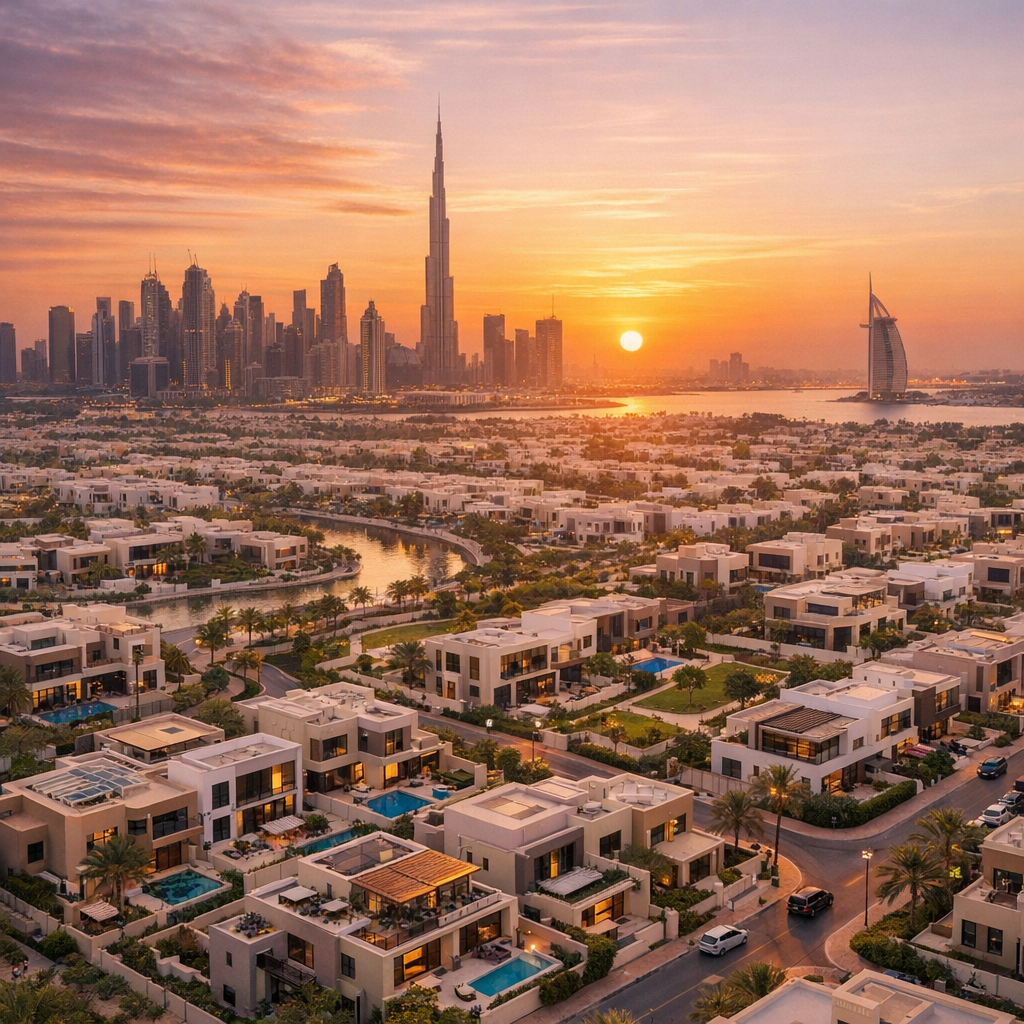
In Dubai, the trade-off between rental yield and prestige is becoming clearer. Waterfront or high-luxury locations like Palm Jumeirah, Downtown Dubai, or Dubai Marina tend to have higher property prices per square foot, which compresses gross rental yield to around 4%-5%. Meanwhile, more affordable inland or emerging areas like Jumeirah Village Circle (JVC), Discovery Gardens, or Dubai Sports City frequently see yields in the 7%-9% range for apartments. Villas generally return lower yields. Understanding what you value — income, lifestyle, or capital gain — will guide the right choice.
How Much Yield Can You Expect?
Recent data shows gross yields for apartments in Dubai averaging around 6.1%, while villas average closer to 4.8%. Smaller units, such as studios or 1-bedrooms, tend to deliver higher relative returns per dirham invested, especially in mid-market or more affordable communities. The more premium the location, the higher the price aspect tends to outweigh rent growth.
Community Types & Their Strengths
- Affordability and yield: Areas like JVC, International City, Dubai South and Discovery Gardens stand out for entry-level buyers or investors seeking strong rental income. They offer good value and steady tenant demand.
- Mid-luxury balance: Dubai Hills Estate, Business Bay, and certain Creek Harbour pockets provide a mix of lifestyle, amenities, and reasonable appreciation, albeit with more modest yields.
- Ultra-luxury and trophy assets: Palm Jumeirah, Bluewaters, and prime waterfronts offer prestige and long-term capital gain prospects but lower immediate income return.
Regulatory Considerations for Buyers
Foreign nationals may own property in Dubai within designated freehold or investment zones. Some properties outside these zones are available via long leaseholds or usufruct rights up to 99 years. It’s important to confirm whether the specific property is freehold, whether leasing or ownership rights are transferable, and whether there are any restrictions or responsibilities like service charges and maintenance obligations.
Deciding Whether to Rent or Buy
If you plan to stay several years, buying in a mid-market area might make financial sense, especially in zones with improving infrastructure and amenity access. Renting offers flexibility, less upfront cost, and no maintenance responsibility. Evaluate your financial plan and lifestyle goals.
Tips for Investors and Home Buyers
- Compare gross and net yields after accounting for service charges, vacancy periods, utilities, and other costs.
- Choose developers with strong track records; build-quality and project completion matter.
- Check infrastructure: nearby schools, public transport, retail, and green space influence desirability and future resale value.
- Stay aware of market timing: price growth is uneven; some areas already have heavy supply.
- Legal due diligence: freehold status, title deeds, RERA registration, and compliance with local regulation.
Bottom Line
Dubai’s real estate market offers distinct opportunities depending on your goals. If your objective is income or investment yield, targeting affordable, well-connected communities will often outperform luxury prestige in the short to mid-term. If lifestyle or capital appreciation are your priority, prime locations still hold appeal—but expect lower cash yields. Align your purchase with what matters most to you: yield, value, or status.