

By Layla Al-Mansoori
Around the world, leaders are grappling with a series of major developments that demand attention not just for their geopolitical implications, but for their human, environmental, and economic consequences. Below are three ongoing global trends transforming how countries engage with each other—and how global citizens experience change.
1. Geoeconomics and Rising Trade Tensions
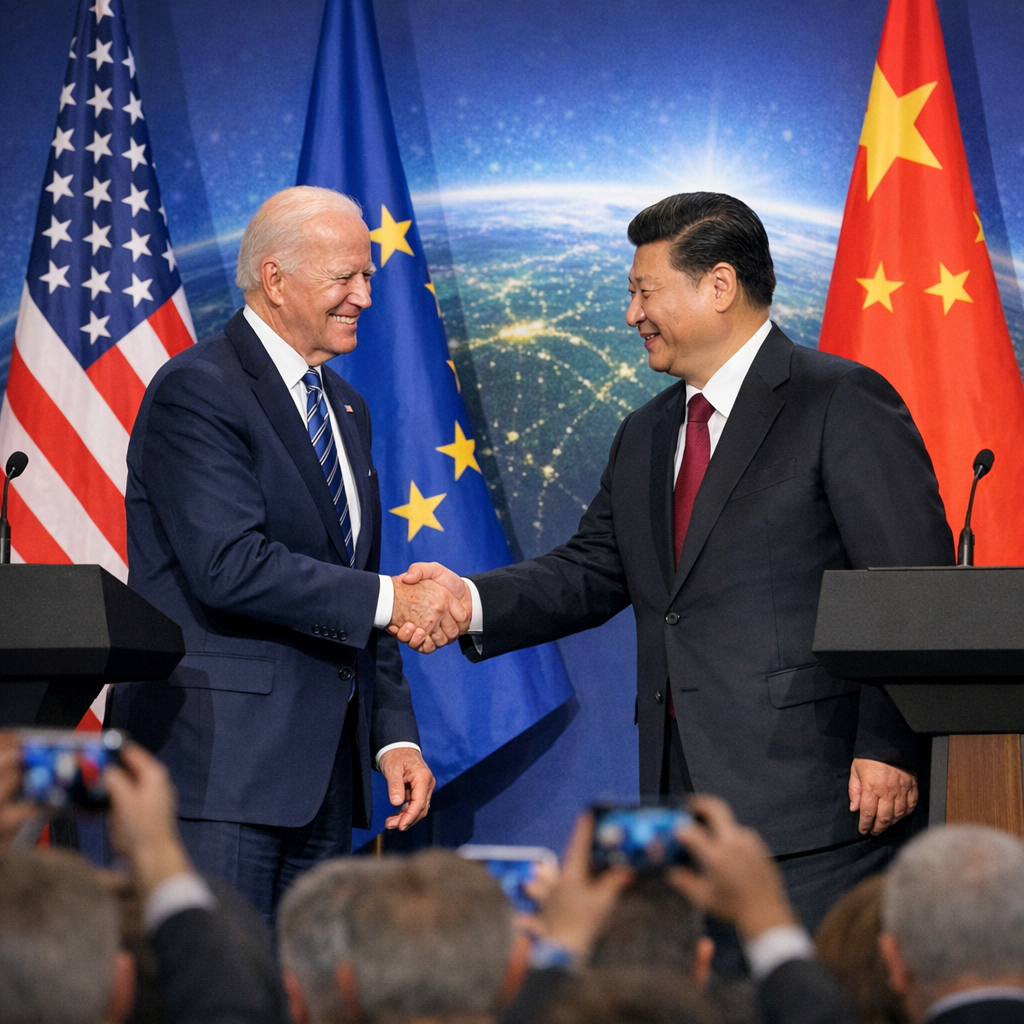
Trade relations are increasingly becoming battlegrounds for influence and power. Tensions between the United States and China—spanning artificial intelligence, export controls, and supply-chain limitations—are a central example. While both nations have recently expressed interest in stabilizing these disputes, policies such as tariffs, blacklists, and regulatory barriers have complex ripple effects across global markets.
This growing geoeconomic confrontation—where economic tools are used with strategic aims—was identified by experts as one of the gravest risks of this period, reflecting systemic disruptions to how nations transact with each other.
2. Conflict Zones and Humanitarian Crises
Multiple conflicts with global implications continue to unfold. The war in Ukraine, military operations in the Middle East involving Iran, and regional spill-over effects have exacerbated instability in energy, trade, and security. Some of these confrontations pose risks of wider escalation, especially where maritime chokepoints or shared borders are involved.
Amid these conflicts, humanitarian emergencies—internal displacement, disrupted supply chains, and refugee flows—place enormous pressure on international institutions and neighboring states. The capacity of global diplomacy and aid networks is being tested daily.
3. Climate Action and Environmental Diplomacy
International climate negotiations continue to face substantial challenges, particularly in reconciling the ambitious goals of emissions reduction with the realities of economic inequality and development. A focal point has been the debate over finance for adaptation and terms for a “just transition”—mechanisms that allow communities to move toward net-zero without sacrificing livelihoods.
One positive development has been the more active participation of countries in implementing climate frameworks, working on ground-level mechanisms under agreements like Article 6 of the Paris accord. Yet, trust among negotiating parties remains fragile, especially where scientific findings clash with economic interests.
What These Shifts Mean for Dubai and the UAE
As a global hub, Dubai lies at the crossroads of many of these transformations. Disruptions in international shipping—whether through regional conflicts or climate-impacted infrastructure—can affect trade flows through the Gulf. The UAE’s role in renewable energy and climate finance puts it in a position to shape the global just transition agenda, while its diplomatic relationships with both Western and Eastern powers become more complex in this rapidly changing geoeconomic landscape.
Ultimately, in an age where information, economics, and conflict cross borders with little warning, resilience—whether in policy, community, or institutions—may become the defining trait of those best able to adapt.