

By Noura Al-Dhaheri
Sport as a Way of Life in Dubai
Whether it’s cheering on Al-Ain in the UAE Pro League, cheering at a cricket match in Sharjah, or jogging along the Creek at dawn, sport is woven into the fabric of daily life in Dubai. Participation is growing: a recent survey in Abu Dhabi showed overall physical activity climbing to just over 60 per cent of the population, signaling a shift toward more active lifestyles across the emirates. For UAE nationals in particular, participation rose above 50 per cent, suggesting that cultural and policy efforts are having real impact. These trends rival global standards for healthy living.
What Sports People Play and Watch
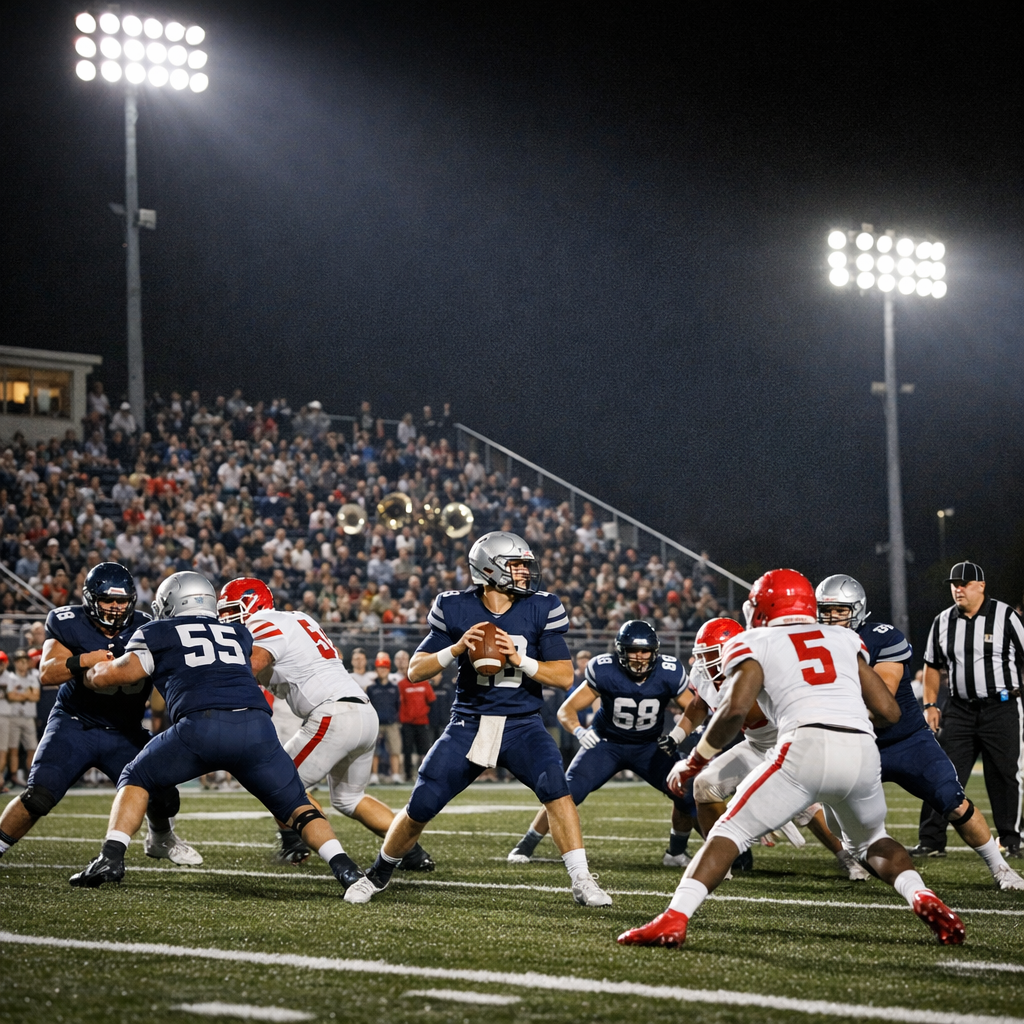
Football remains king in both popularity and visibility. It has the largest audience and most developed club system in the country. Behind it, cricket is prominent—reflected in regular international tournaments in Dubai and Sharjah—and motorsports draw attention with events like the Abu Dhabi Grand Prix. Emerging interest in other sports, from basketball and padel to track and field, is expanding both participation and competitive opportunity. Supplementing organised leagues are fitness, adventure, and youth programmes that push beyond traditional sports boundaries.
Schools and Colleges on the Rise
Schools such as International Academies offer 20-plus competitive sports for students from primary to secondary levels. These programmes—consisting of team and individual sports like swimming, climbing, water polo, and sailing—provide youth athletes with pathways for skill building, leadership, and growth. Coaches emphasise inclusive age grouping, mixed gender support, and promotion of both participation and performance rather than just competition. Colleges and universities similarly are building intramural leagues, inter-institutional matches, and community outreach opportunities.
Community Clubs: Play, Socialise, Belong
Community-based clubs bridge gaps between casual players and aspiring athletes. Groups like Desert Sports, BeyondTheCourt, and the many running and wellness clubs around the city provide accessible opportunities for sport, socialising, fitness, and wellbeing. They offer everything from padel, volleyball and mini-football to yoga, trail runs, and seasonal tournaments. Many welcome members regardless of background or level, creating social networks as well as healthier bodies.
Challenges and Opportunities
Despite positive momentum, challenges remain. Heat and the climate limit outdoor training, especially younger groups. Providing year-round indoor or shaded options is necessary for both safety and equity. Ensuring equal access for girls and women in all sports remains a priority in policy and practice. Additional focus on affordable facilities and grassroots support—at the school, barrio, or neighbourhood level—would help widen the base of participation beyond those with disposable income or club memberships.
Looking Ahead
The national sports strategy aims to raise participation rates even further—toward 70 per cent or more—and encourages talent development, inclusive access, and greater performance in international competition. Success will depend on collaboration: government bodies, schools, clubs, and individuals working together to reduce barriers and grow the culture of sport. For young people in Dubai, that translates to more chances to pick up a racket, run a race, join a team, or find a community playing field.