

By Noura Al-Dhaheri
Dubai is working on more than just hosting big international tournaments—there’s a growing movement to ensure that from high school teams to community leagues, athletes get a real chance to contribute to sports culture and national excellence.
National and Regional Policy Foundations
The UAE’s National Sports Strategy – 2031 sets a bold aim: 71% of the population should participate in diverse sports activities. Farmers, students, working professionals and families are all part of this vision, with special efforts to discover athletic talent through schools. This strategy holds both national ambitions and grassroots impact.
Complementing the national strategy, Dubai’s Sports Strategic Plan – 2033 defines four pillars—Community, Events, Clubs, Talent—to raise the number of regular sports participants in Dubai from around 1.6 million to 2.6 million by 2033, alongside major aims to strengthen clubs, events and pathways for athlete growth.
Local Programs Starting Close to Home
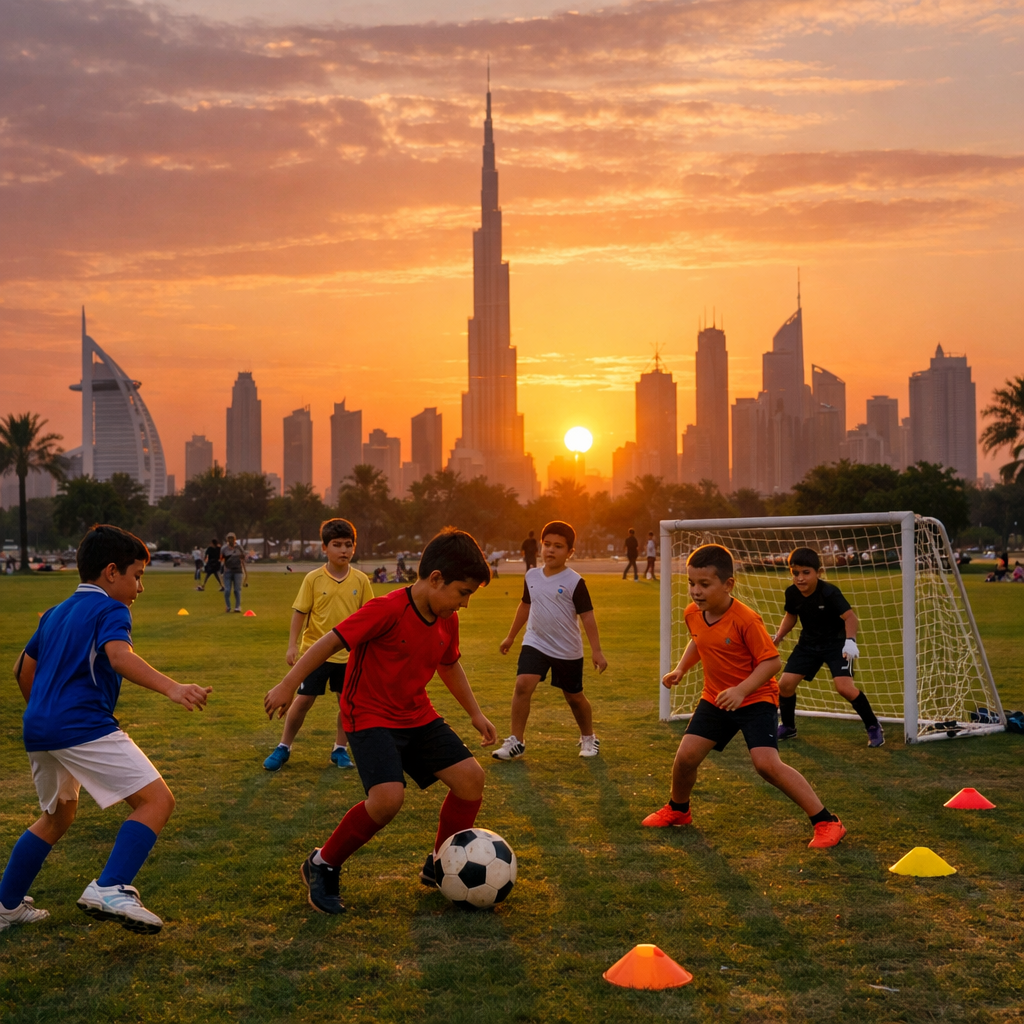
In residential neighbourhoods, new initiatives bring training programmes into the parks and green spaces where young people live. For example, the “Al Furjan Club” football initiative runs specialised training across six public parks and focuses on players under 12, 14, and 16. This kind of locally accessible coaching helps young athletes improve without long commutes.
Meanwhile, academies like MST Junior Academy are embedding sport in kids’ daily lives by delivering multi-sport training right within residential communities. Kids as young as four can participate, and the emphasis is on lifetime values such as confidence, teamwork, and discipline—not just winning.
What This Means for High School and Community Teams
With policies and programmes pushing for widespread participation and clear talent identification, high schools are now better supported to feed into national and club systems. More children are gaining access to quality training, facilities, and exposure.
For community teams, there’s opportunity in resources. Whether in volunteer-led clubs, neighbourhood youth leagues, or multi-sport community centres, the framework now exists to support growth, coordination, and pathways. Young athletes with potential are more likely to be seen, guided, and encouraged.
Challenges and Opportunities Ahead
Implementing these strategic plans requires consistent funding, well-trained coaches, and equitable access across all of Dubai’s communities. There’s also the task of balancing performance goals with inclusivity; ensuring people of all abilities and backgrounds can take part is becoming a major priority.
Still, the momentum is real. As programmes gain steam, competition structures in high schools and community circuits are likely to become more robust, creating healthier, more talented pools of athletes for clubs and, ultimately, for national teams.
Takeaways for Local Athletes and Teams
- Explore accredit programmes and academies in your own neighbourhood—many now offer high-quality coaching close by.
- High school teams can tap into support through sports councils and legal frameworks that promote school-level competition and talent discovery.
- Clubs and community coaches should focus first on building well-structured systems of training, mentorship, and values.
- Families and students benefit most when sport becomes regular and accessible—not just occasional or elite-only.
Looking ahead, the blend of strong national strategy with committed community programmes offers a promising platform. Whether you’re part of a high school team, coaching in a local club, or simply encouraging kids in the neighbourhood to get active—this is a moment to build lasting change in Dubai’s sporting future.