

By Khalid Al-Qasimi
Dubai’s climate is familiar yet ever-changing: searing heat, seasonal humidity, dusty skies. For many residents, the environment isn’t just background—it’s something you feel with every breath. Here’s a balanced look at how weather and environmental factors combine to shape air quality in Dubai, what causes the worst of it, and what we can do daily to stay well.
Weather Patterns that Shape Our Air
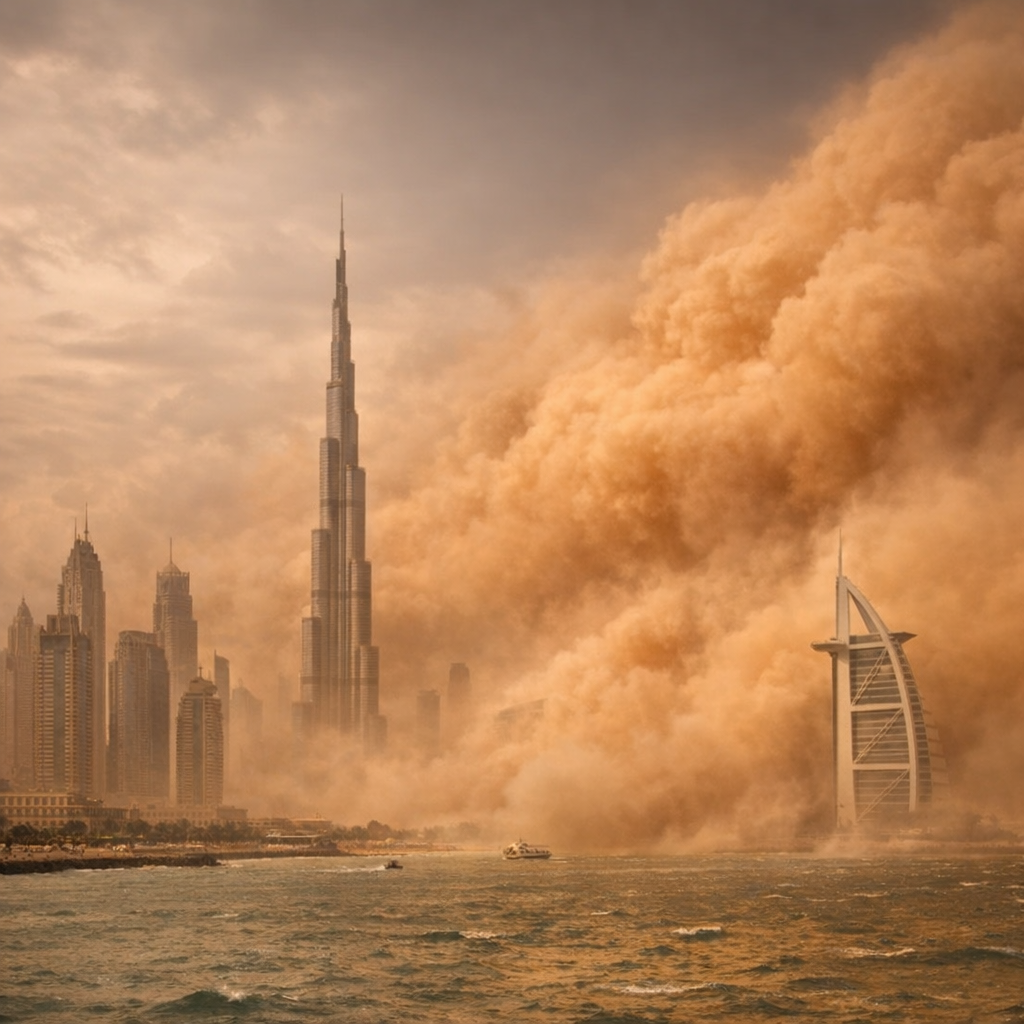
Dubai lies in a subtropical desert belt, which means summers with extreme heat and high humidity, especially along the coast. Even during relatively cooler months, temperature swings and wind shifts are typical. Desert winds, seasonal monsoon influences, and large regional dust events all affect visibility and air purity throughout the year. The Shamal winds (north-westerlies) in particular carry fine dust across the broader Gulf region and into the city, especially during transitional seasons. {{weather}}
Main Contributors to Air Pollution
Several factors combine to degrade air quality in Dubai:
- Fine particulate matter (PM2.5 & PM10) from dust storms and windblown sand, which can linger in the air for days. These particles can originate locally or drift from neighbouring desert regions.
- Emissions from traffic, industrial activity, construction dust, and energy generation—all contribute additional pollutants like nitrogen dioxide, sulphur dioxide, carbon monoxide, and ground-level ozone.
- Meteorological conditions that trap pollutants: low wind, high humidity, and temperature inversions can prevent the dispersion of pollutants, amplifying health risks.
Impacts on Health & Daily Life
When air quality dips, sensitive groups—children, elderly people, and those with asthma or respiratory issues—are especially vulnerable. Hazards include irritation of eyes and throat, worsened breathing, and in extreme cases, strain on cardiovascular health. Ordinary activities like jogging, outdoor work, or open-window cooling become riskier during high-pollution episodes or dust storms.
How Monitoring Helps, and What Dubai Is Doing
Real-time measurements from monitoring stations across Dubai feed into the UAE’s National Air Quality Platform, which shows concentrations of major pollutants, tracks particulate matter, and offers alerts during severe events. Authorities have frameworks like the National Air Quality Agenda 2031 aimed at reducing emissions and managing air quality proactively.
Practical Tips to Protect Yourself
- On days with yellow/red AQI alerts—minimize outdoor exposure, especially for vulnerable individuals. Wear high-quality masks when outside.
- Keep windows and doors closed during dust storms, use air purifiers in homes or offices where possible.
- Avoid heavy physical activity outdoors during peak heat or polluted hours; early morning or late evening are usually safer.
- Green cover matters—plants, trees, landscaped areas help trap dust and cool micro-climates. Supporting local green initiatives or choosing housing with vegetation can make a difference.
- Support policies and practices that reduce dust sources: better construction dust control, clean-energy transport, industrial regulation. These collective steps help everyone breathe easier.
Looking Ahead
As climate change alters weather patterns, Dubai may see more extreme heat, more variable rainfall, and possibly more frequent dust storms. Ensuring resilience—through infrastructure, sustainable city planning, and continued scientific research—will be key. With greater awareness and community engagement, Dubai can manage the challenges of its environment while maintaining its quality of life.