

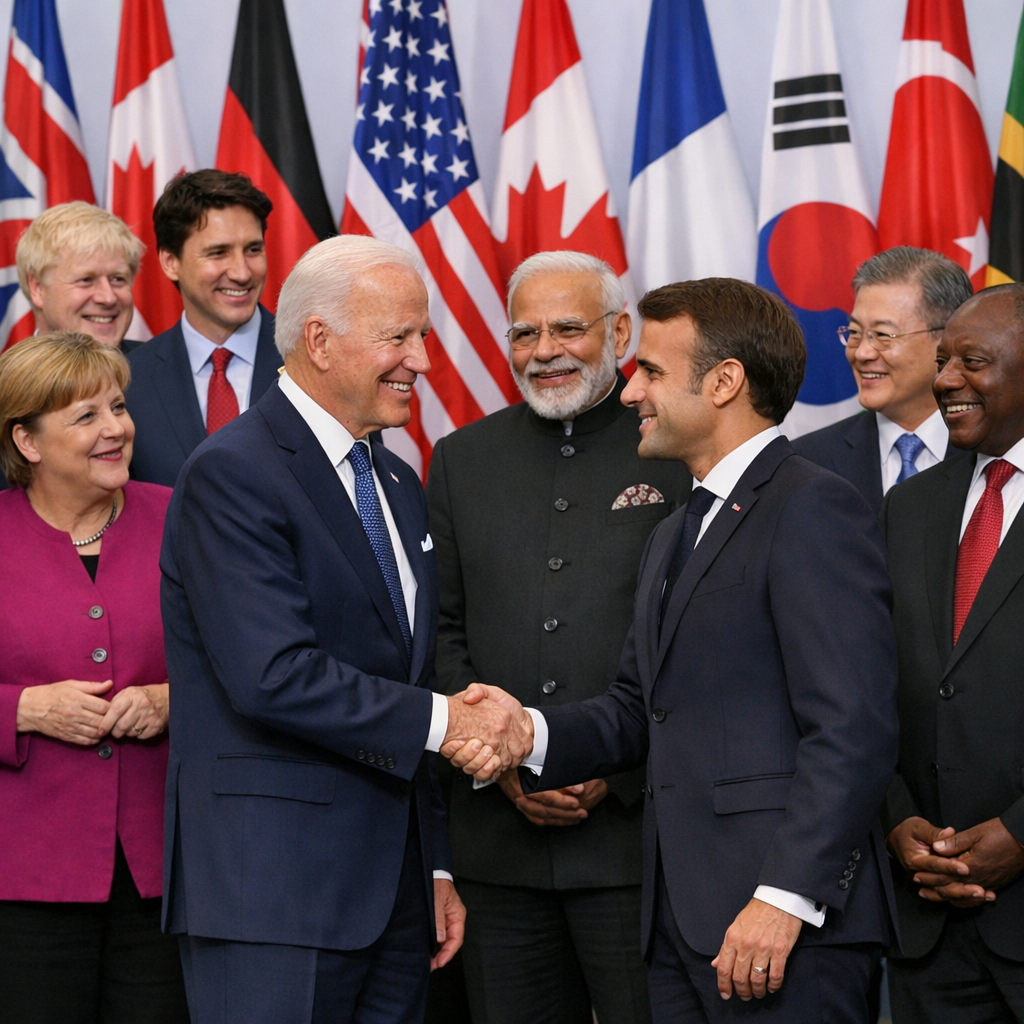
As Dubai keeps growing in prominence on the world stage, we face a moment where global crises—from armed conflict to climate breakdown and technology misuse—are shaping our shared future. Here’s how these forces are interwoven and what actions the UAE and other nations can contribute.
Persistent Conflict and Fragile Peace Negotiations
Ongoing conflicts—in Gaza, Ukraine, Sudan, and between the U.S., Iran, and Israel—continue to cause displacement, humanitarian crises and geopolitical tensions. Despite periodic ceasefires, lasting peace remains elusive. The recent U.S.–Iran agreement and efforts to reopen critical trade routes like the Strait of Hormuz have raised hope, but conflicting statements and hostilities continue to hamper progress. Many ceasefires rest on unstable terms without robust monitoring or long-term political frameworks.
The Global Stocktake: Climate Action in Motion
Following COP28 in Dubai where the world’s first Global Stocktake under the Paris Agreement was completed, nations pledged stronger commitments around emissions, adaptation, and resilience. But while frameworks are more ambitious than before, implementation lags—especially in adaptation funding, climate justice, and investments for communities already facing severe climate risks. The UAE is stepping into roles of climate finance, technology transfer and supporting local resilience—actions that matter for both regional neighbors and global equity.
Regulating Technology and Artificial Intelligence
AI’s expanding role in military, surveillance, and policy arenas has sparked urgent debates. A landmark UN resolution calls for standards ensuring human oversight of autonomous systems, particularly in conflict zones. Discussions in forums such as Geneva and major international summits reflect growing consensus—but the devil is in the implementation. The global South, including parts of the Gulf, faces specific vulnerabilities: infrastructure, oversight and rights protections are often less robust, increasing risk of misuse.
A Framework for Moving Forward
While the challenges are vast, so are the possibilities. Several key paths can help shape a more stable world:
- Multilateral Diplomacy Strengthened: Outside powers and regional actors alike must commit to realistic negotiation frameworks that include justice, security guarantees, and economic rebuilding.
- Local Climate Finance Empowered: Richer nations should prioritize support for adaptation and resilience, especially for regions like the Middle East and South Asia that are already bearing severe climate impacts.
- Clear AI Governance: International rules should require transparency, ethics oversight, and limiting autonomous decision-making in lethal or rights-sensitive contexts.
- Civic Participation and Voice: Building peace and climate policy won’t endure if voices from affected communities—refugees, women, youth—are missing from the table.
Here in Dubai, amid its rapid growth and global reach, there’s a real opportunity to contribute to these efforts—not only through high-profile summits, but through consistent leadership in peace-building, climate justice, and ethical technology. Every pledge, every framework—if followed through—moves us closer to a more stable, just global order.