

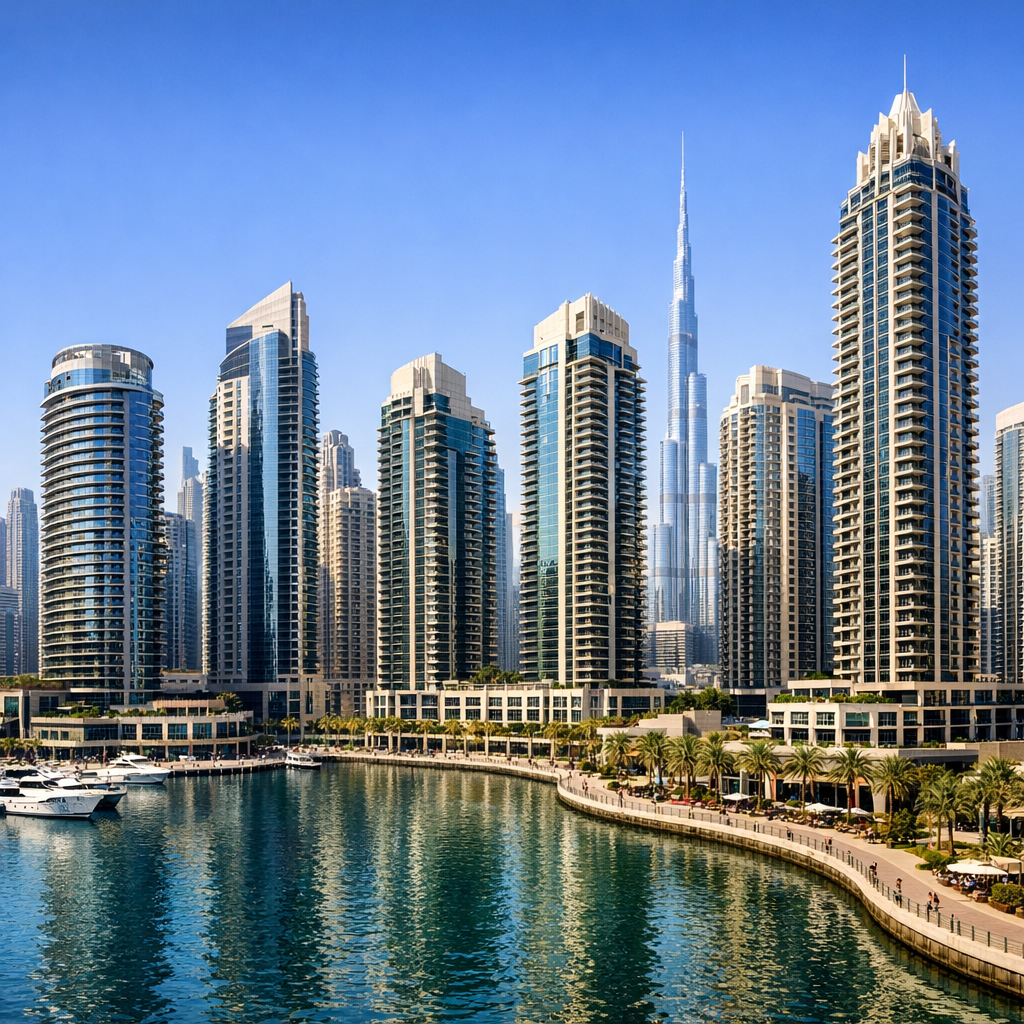
Dubai’s residential market is maturing fast: more completed projects, growing rental demand, and evolving financial tools are all reshaping how people think about holding a home versus renting one.
What’s going on in the market
Last year Dubai saw strong growth in its rental sector. Approximately 1.38 million tenancy contracts were registered—an increase in both number and value compared to the previous year. New lease signings rose noticeably among both new tenants and those renewing, signalling increased stability in where people are choosing to live. Meanwhile, more construction and development activity has pushed up supply, including both off-plan projects and completed properties. Though sales transactions have cooled somewhat, price per square foot continues to increase in many prime communities.
Buying vs Renting: Key Financial Considerations
Upfront and ongoing costs
If you buy a property, especially as an expat, you’ll likely pay 20%-25% of the purchase price as a down payment. You’ll also face transfer fees, registration costs, agent commission, and ongoing expenses like service charges and maintenance. Renting has lower entry costs—often a security deposit, some advance rent, and agency fees—but you don’t build equity.
Time horizon and stability
The general rule emerging in Dubai is that buying tends to become financially meaningful if you plan to stay five years or longer. Over that period, the benefits of ownership—such as protection from rising rents, building equity, and potential resale value—tend to balance out the upfront costs and friction. For those staying shorter-term, renting offers more flexibility and less risk.
What Non-Financial Factors Matter
- Lifestyle & community: Access to schools, transport, amenities in different neighborhoods can affect satisfaction and resale potential.
- Visa and work stability: Changes in job, visa renewals or relocation plans make flexibility more valuable.
- Market direction in your area: Even within Dubai, property values and rent-growth vary greatly among districts. Choosing an area with balanced development and infrastructure investment can protect your value.
Steps to Make a Smart Decision
- Crunch the numbers: Compare total costs over your expected stay. Include buying costs, ownership costs, rent increases, opportunity cost of tying up cash.
- Investigate the building and service charges: High service or maintenance fees can turn a reasonable mortgage into an expensive monthly burden. Ask developers or owners what you’ll actually pay.
- Consider a hybrid path: Many people rent first—12-18 months—to understand different areas, rent levels, and lifestyle before buying.
- Think long term: Buying may unlock visa or investment opportunities, while renting maintains flexibility if circumstances change. Weigh what stability means for you personally.
Conclusion
There’s no one-size-fits-all answer. If you’re confident you’ll be in Dubai long enough, with stable work and enough savings, buying may offer more value and stability. If you’re newer here, unsure of your stay, or want flexibility, renting is likely the smarter path. Either way, the decision pays off when it reflects both your financial bottom line and what kind of home life you want to build.