

By Ali Al-Ameri
The city skyline dazzles. The malls hum. The transit system pulses with people from nearly every country in the world. Dubai is global; a meeting ground of cultures, aspirations, identities. But amid all the wow-factor, what does it actually feel like to belong here?
The lure of familiarity—and the gap beneath it
In many ways, life in Dubai is more familiar than newcomers expect. English dominates business, schools, and day-to-day communication. Grocery shelves offer spices, snacks, and brands from your childhood. Restaurants deliver your comfort food. From Karama to Dubai Marina, international communities cluster around food, faith, and familiar rhythms. That helps soften the transition. But it doesn’t erase all friction.
What’s less familiar are the invisible norms: how religion shapes time, how property titles lock value, and how class shapes respect. In some expat bubbles, Western accents or passports offer unexpected privilege. Manual labor communities, often from Asia or Africa, can feel socially distant—not just in remuneration, but in how voices are heard and how relationships are formed.
Building belonging: small steps, big impact
Belonging doesn’t require coincidence—it requires effort. For many, social circles take 2–3 months to settle—often slower without shared language or rituals. Joining a recurring activity—be it a gym class, hobby club, or worship service—turns casual acquaintances into anchors. Neighbourhoods matter: choosing an area where schools, shops, and community centres are walking distance does more than save travel—it increases chance encounters and deeper bonds.
Homes that smell like your mother’s kitchen; weekend routines that echo your home country; festivals you didn’t grow up with but come to love—these form the soft architecture of belonging. And for those curious, learning even basic Arabic can bridge gaps in conversation, respect, and understanding.
Local culture, not tourism
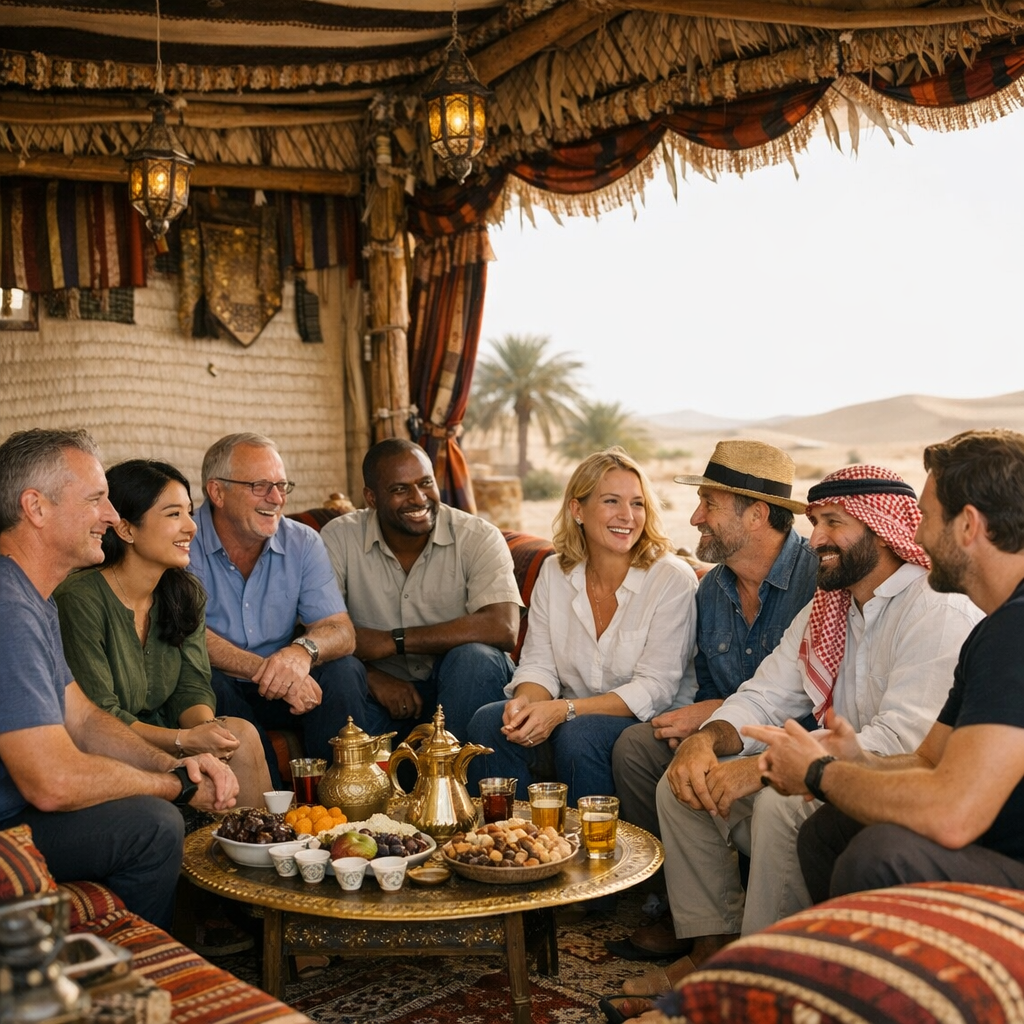
As expats, we often interact with Dubai through gloss—the glitzy malls, the sky-high views, the global headline stories. But local culture lives in the majlis, in shared laughter at Ramadan nights, in understated generosity during emergencies, and in traditions held by Emirati families that trace back generations.
Emirati culture isn’t a performance. It’s woven into dress, food, dialogue, spirituality, and manners. True respect comes from knowing when to observe silence, when to listen, how modesty and tradition inform everyday life. Misunderstanding feels easier than it is to admit. Respect feels more robust when rooted in effort.
Belonging without losing yourself
Gratitude doesn’t mean erasure. You can celebrate the cultures you came from while absorbing new ones. Hold onto your festivals, your music, your language. Share them. Communities grow richer when we carry both what we bring and what we learn.
Dubai gives you possibility: to rebuild home in foreign places, to belong without blending in completely. That’s hard work—but it is beautiful work.
Final take
Belonging in Dubai isn’t given—it’s built. Between the spaces of difference, between lunch tables and prayer calls, there are endless possibilities for connection. It begins with small gestures: hello in Arabic, sharing food, entering unfamiliar spaces with curiosity. Over time, those become the threads that knit together diverse lives into something resembling home.