

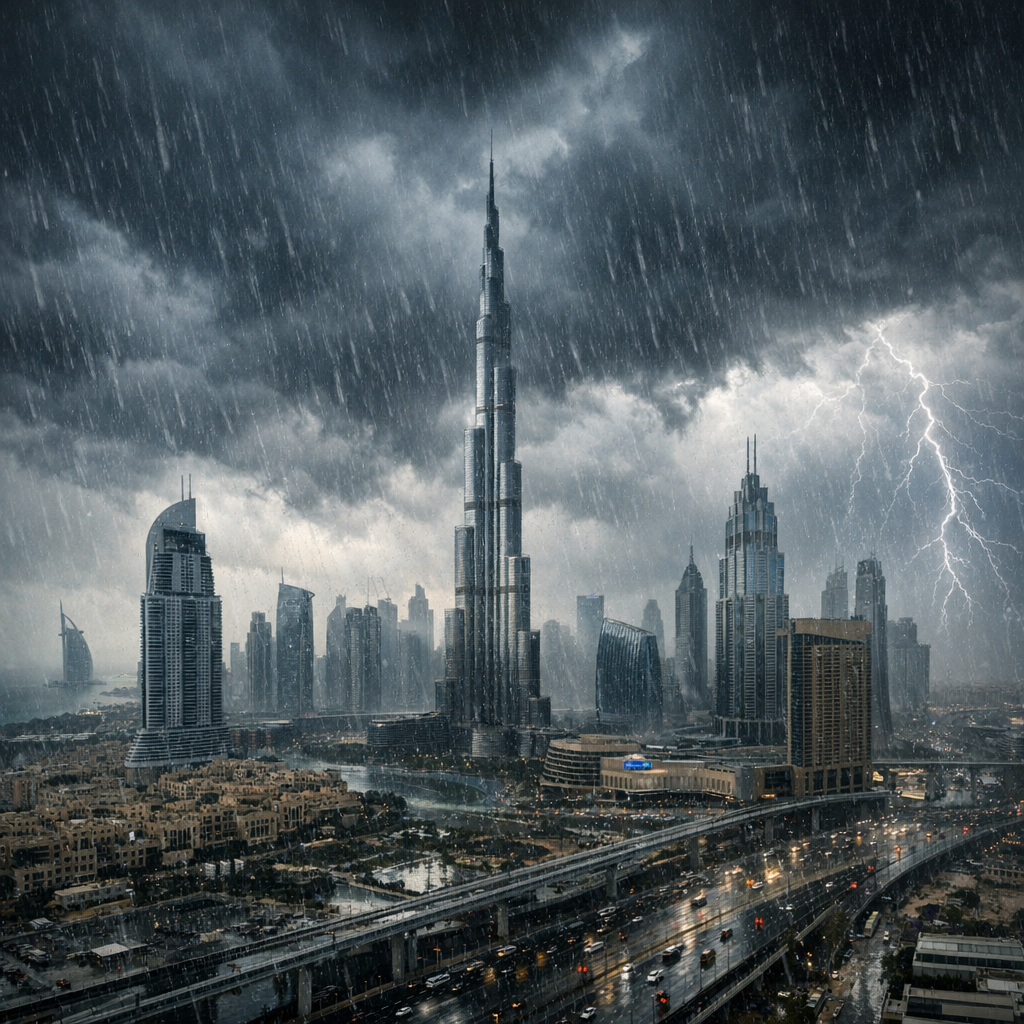
Dubai is known for its dramatic weather swings—from scorching summers to brief winter rains, dusty skies, and increasingly unpredictable seasons. Understanding how these climatic features and environmental trends work can help residents prepare, adapt, and appreciate the natural world in our city.
Seasonal Patterns and What to Expect
Dubai has a tropical desert climate: very hot daytime highs in summer, mild winters, and minimal rainfall. Temperatures often rise above 40 °C between June and September. Winter (December through March) brings relief with cooler nights and occasional spreads of rain, especially in the mountain-facing emirates. Transitional periods in spring and autumn are variable—rising or falling temperatures and shifting humidity levels make these seasons feel unpredictable.
Humidity, Rain, and Sudden Downpours
Humidity near the coast regularly reaches high levels during summer, making for uncomfortable evenings even after sunset. As for rain: it’s rare, concentrated in short bursts—often thunderstorms in winter. Most yearlong rainfall comes during December and January; summer months see almost no measurable amounts.
Environmental Challenges and Climate Shifts
Heat is intensifying. Long-term observations show hotter summers and rising overnight lows. Winters are becoming milder, less distinct. Residents often feel as though summer starts earlier and lingers later than weather charts suggest. This contributes to strain on infrastructure, health, and energy systems.
Dubai also faces compounded risks: dust storms disrupt air quality; flash flooding from heavy rain stresses drainage systems; rising sea levels threaten coastal zones; salinity intrusion risks drinking water. While green initiatives—parks, vegetation, clean energy—are underway, many vulnerable populations and workers remain exposed.
What You Can Do: Adaptation and Resilience
Here are actions residents and community groups can take to adjust and help safeguard our environment:
- Plan smart outdoor time: Trade midday outings in summer for early mornings or evenings; stay hydrated and use lightweight fabrics.
- Keep flood readiness in mind: Short bursts of rain can overwhelm low-lying areas. Check weather alerts and avoid driving through waterlogged routes.
- Support green spaces: Trees, parks, and urban greening help cool the city, improve air quality, and reduce dust.
- Conserve water: Even with desalination, freshwater remains precious. Fix leaks, use efficient appliances, and landscape with native or low-water plants.
- Stay informed: Follow forecasts from Dubai’s meteorological services, watch air-quality indices, and learn about heat-health advisories.
Looking Ahead
Dubai’s climate is no longer static. As global warming continues, wet-bulb temperatures (which combine heat and humidity) are rising. Hot days feel hotter, schools and workplaces may need to adjust schedules, and weather extremes will likely be more frequent. The city’s rules, building standards, and public health systems need to keep pace.
Protecting the environment here involves both large-scale actions and everyday choices. Because when the desert shifts—its rain, wind, temperature—we all feel the change.