

By Ahmed Al-Hamed
Stubborn Inflation and an Economy on Edge
Recent data paints a nuanced picture of the U.S. economy: incomes are rising, but inflation remains elevated, especially compared to the Federal Reserve’s comfort zone. While headline inflation has eased slightly, particularly after energy costs cooled, prices for essentials like food and housing continue to stretch household budgets. Consumer spending has lost momentum. The Federal Reserve, backed by several officials, stands ready to consider additional interest rate hikes if inflation fails to fall toward its 2 percent goal.
Gross domestic product (GDP) expanded at a modest 1.5% pace in the second quarter—not a collapse, but hardly a rebound. With concerns growing over prolonged inflation, rising borrowing costs, and a cooling job market, many Americans feel financial uncertainty acutely. Surveys show low consumer confidence, with many households saying their personal finances are worsening.
Supreme Court Decisions Intensify Political Tensions
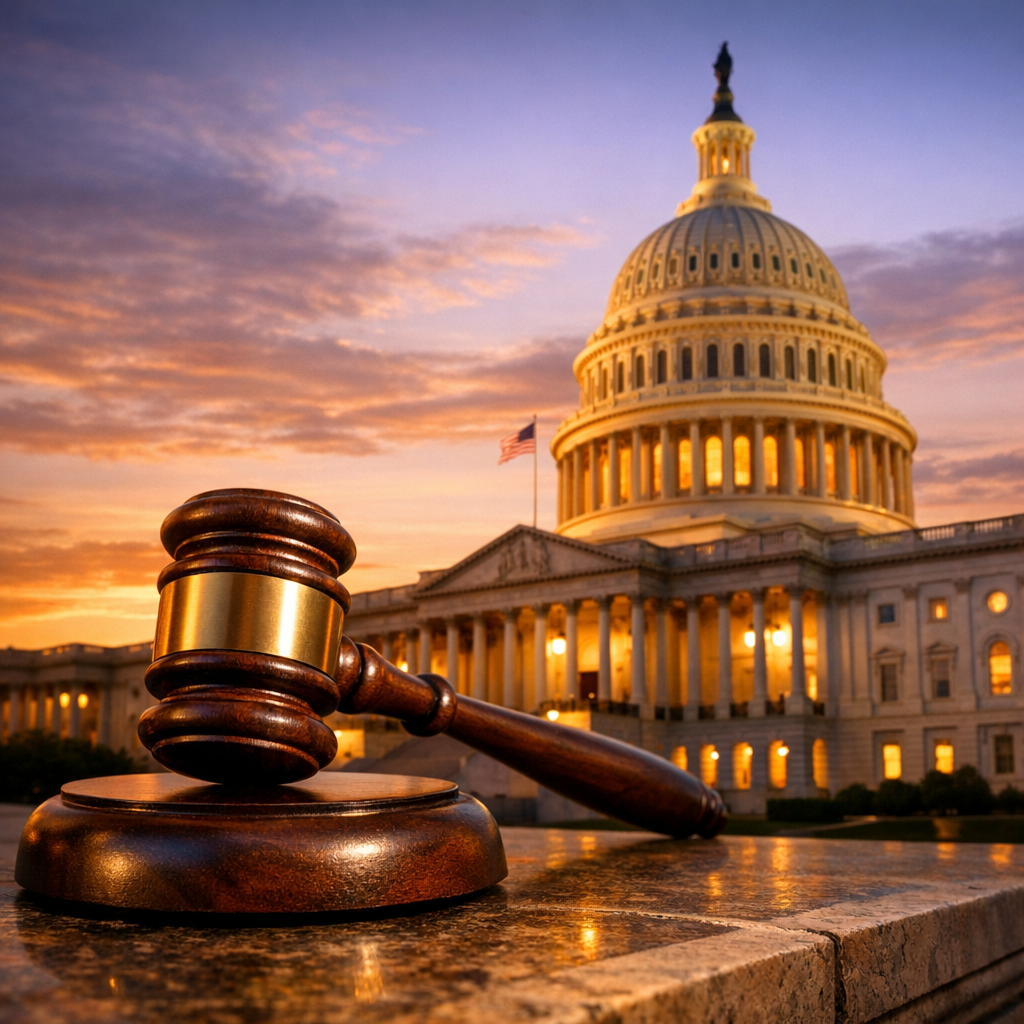
The Supreme Court’s recent session has produced a wave of decisions that reshape key areas including elections, voting rights, and executive power. Critics argue that many rulings favor conservative aims, weakening oversight of independent agencies, loosening campaign finance restrictions, and enabling partisan redistricting. These developments could provide Republican gains in upcoming midterm elections, especially in states where map lines play a decisive role.
At the same time, public trust in the Court appears eroding. Many Americans believe recent rulings are driven more by ideology than law. Analysts warn that perceptions of partisanship could damage the legitimacy of the judicial institution if a sharper divide persists.
Fiscal Alarm: The Nation’s Debt Trajectory
The U.S. Government Accountability Office issues a warning: under current policies, debt held by the public is on track to soon surpass the size of the entire economy. Without changes to spending or revenue, projections show debt could reach historically high levels, with net interest payments already exceeding what the government spends on defense. The urgency has renewed calls for a sustainable fiscal strategy.
What It All Means for the Broader Picture
These pressures—financial strain, judicial power shifts, and runaway debt—all intersect to create a political climate that’s volatile and consequential. For global observers, including those in Dubai and beyond, the U.S.’s policy directions influence import costs, financial markets, foreign relations, and cross-border trade.
For Americans, whether in urban centers or more rural communities, the cumulative effect is clear: economic anxiety, intense political debates, and high expectations for government intervention. How Washington responds will shape not just election outcomes, but the nation’s economic stability in the years ahead.