

By Ali Al-Ameri
Dubai is always in motion. New towers rise, roads expand, and once-quiet streets are transformed. For many of us who call this ever-evolving city home—long-term residents, newcomers, Emiratis, expats alike—these physical changes ripple into something more personal: how we feel rooted, how we connect with our neighbours, and what community really means.
The neighbourhood I knew
When I first moved to a villa neighbourhood ten years ago, the rhythm was simple. Kids played outdoors till dusk. Shop-owners greeted regulars by name. Evening walks meant nods from families relaxing by the trees. The skyline was in the distance, not at my doorstep. Now I notice fences rising around new developments, traffic replacing footpaths, and public greens absorbed into private projects. The places where I once ran into friends now feel designed to move people through—not pause, linger, or belong.
New voices, new needs
Dubai’s expansion brings diversity: more cultures, more dreams, more expectations. Some desire efficient public transit, others access to nature, elders seek social spaces, mothers want safe parks for children’s play. Long-term residents often miss what made their area warm. Newer residents crave community as they settle in. Yet master-plans and luxury developments focus heavily on aesthetics or investment value—sometimes at the cost of small public spaces, gathering spots, or affordable communal facilities.
Belonging in bricks and mortar
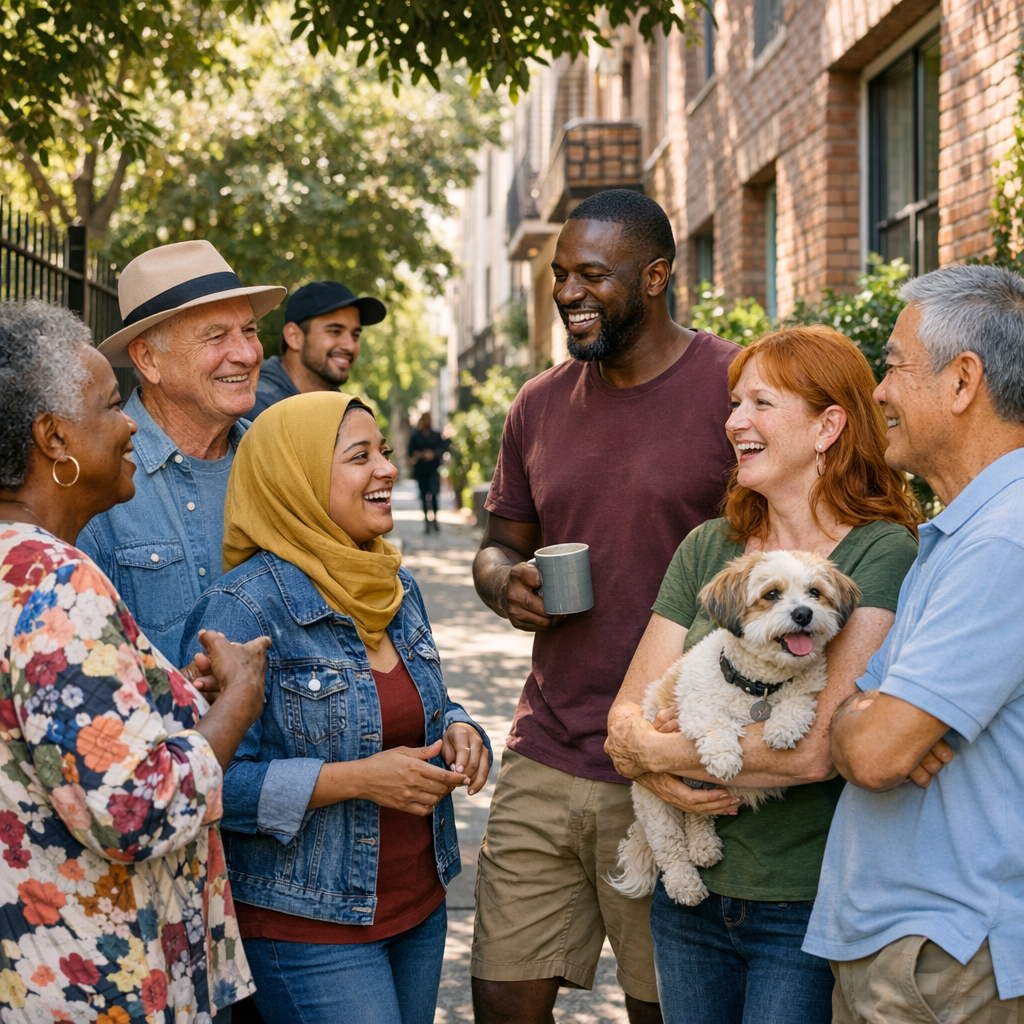
A city isn’t only its skyline; it’s its shared smiles, shared benches, and shared traditions. We see this when neighbours organize potlucks, community clean-ups, or weekend sports gatherings—even on a patch of pavement. These practices build ties that outlast any concrete building. When urban design neglects them, the result is disconnected lives: people passing each other in cars, rarely walking the streets, rarely knowing one another.
What feels like home
Here’s what many of us would like to see more of, wherever we live:
- Walkable streets with shade, benches, and lights strong enough to feel safe.
- Multi-use public spaces—parks that host markets or festivals or movie nights.
- Affordable public gathering places—tea-shops, community halls, courts—that work for all incomes.
- Cultural inclusiveness: spaces and events that reflect the variety of languages, food, faiths, and art present in Dubai.
- Community input in planning—not just at launch, but as developments evolve.
Concluding thoughts
Dubai is ambitious—and there’s beauty in that. Yet ambition should not erase the quieter layers that make a city livable. Our identity, connections, and sense of belonging still matter. If growth can include space for us to breathe, move, gather, and belong, Dubai won’t just be admired—it will feel like home.