

By Ali Al-Ameri
The Guest Who Stays Too Long
Many residents call themselves ‘‘guests’’ in Dubai—even after more than a decade of carving out daily routines here. There are legal limits to residence, visa renewals, and a deeply woven sense that life here is temporary. Although you build friendships, habits, and favourite corners in the neighbourhood, the knowledge that you may one day leave looms in the background.
Shared Spaces, Separate Lives
In mixed-nationality villa clusters or apartment blocks, you may greet neighbours in passing but rarely share meals or stories. Language barriers, cultural norms, work schedules and commuting create invisible walls. Many expats express that although they interact daily with people from many countries, there is little overlap where personal vulnerability or deeper trust takes root.
Pursuit of Stability Amid Flux
One of the most common worries I hear from people who moved here to raise children is about schooling, identity and roots. ‘‘Will my child feel lost between home-country culture and Dubai’s expat mix?’’ is a question that arises often. For others, holding on to identity means cooking beloved childhood recipes, speaking a native language at home, or observing religious practices in community settings.
What Helps Us Feel at Home
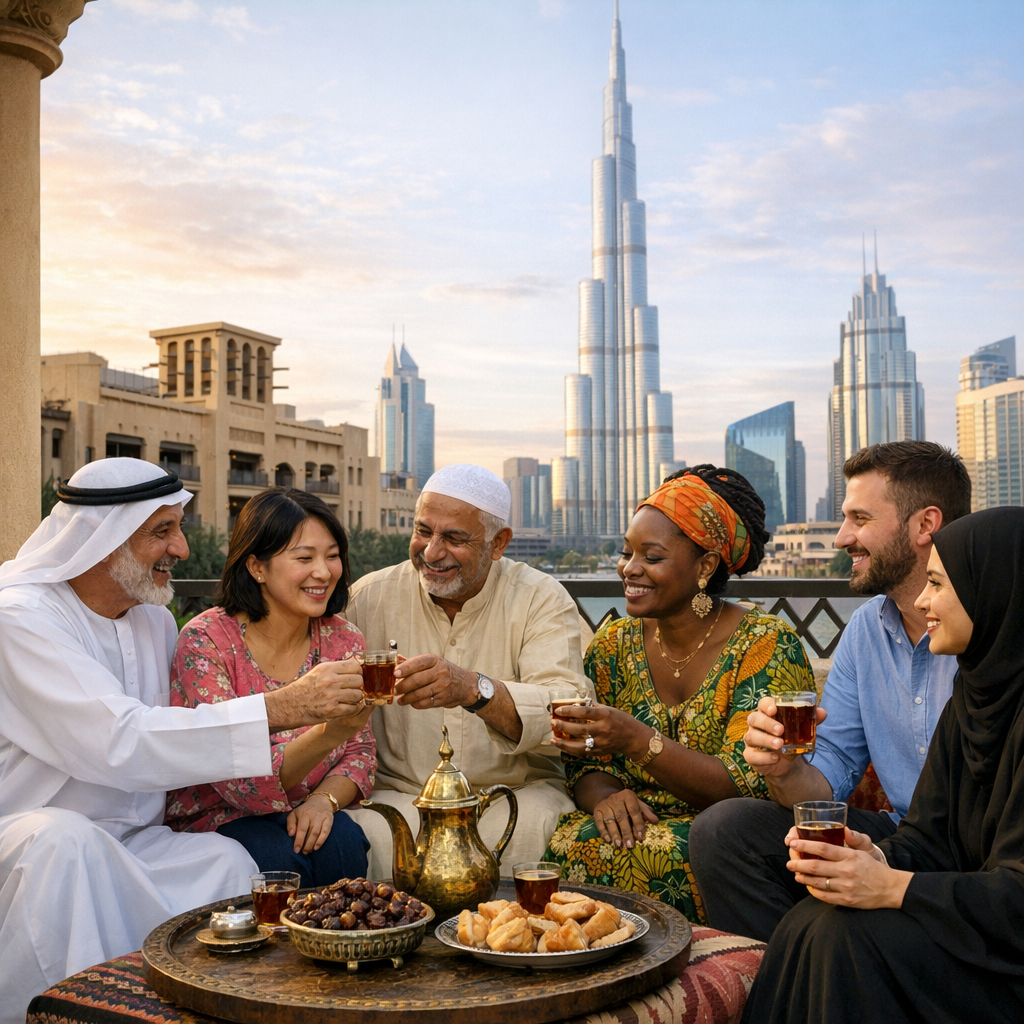
Despite these challenges there are anchors of stability in a city that never stops changing. Neighbourhood WhatsApp groups are among them: they organize childcare swaps, ride shares, and even group dinners. Sharing festivals, art, music or food from home breaks down walls—even across national divides.
Also, long-term lease agreements and investing in home-spaces—buying into the city rather than renting its transient veneer—can shift how you feel. And choosing to learn Arabic or local traditions does more than mark effort—it sends the message: I belong here.
Beyond Guests: Imagining a Future of Belonging
If Dubai were to provide more pathways for legal permanence, for mixed citizenship or long-term status, or if urban plans prioritized public spaces that invite everyone—locals, expats, workers—to meet, share and stay—then the ‘‘guest’’ mindset might loosen.
Belonging doesn’t demand uniformity; it demands respect, opportunity, and recognition. And perhaps in those small, daily things—hello in the corridor, shared food, familiar faces—Dubai can become more than a place we stay in; it can become a home.