

By Sara Al-Dhaheri
Dubai’s evolving fitness scene: What’s changing
The fitness and wellness sector in Dubai has moved beyond basic gym memberships. Today’s residents expect more holistic and recovery-focused offerings, with boutique studios, wellness clubs, and hybrid fitness concepts merging physical training with mental health, nutritional support, and restorative therapies. The number of fitness and wellness facilities continues to increase, while members prioritise experience and value over just access.
Fitness trends that work here
- Traditional strength training and bodyweight work – still among the most popular methods, especially when supported by certified trainers who can guide form and progress safely.
- Recovery and regenerative fitness – steam rooms, cold plunges, mobility classes, massage therapies are no longer optional extras but becoming core features in wellness studios.
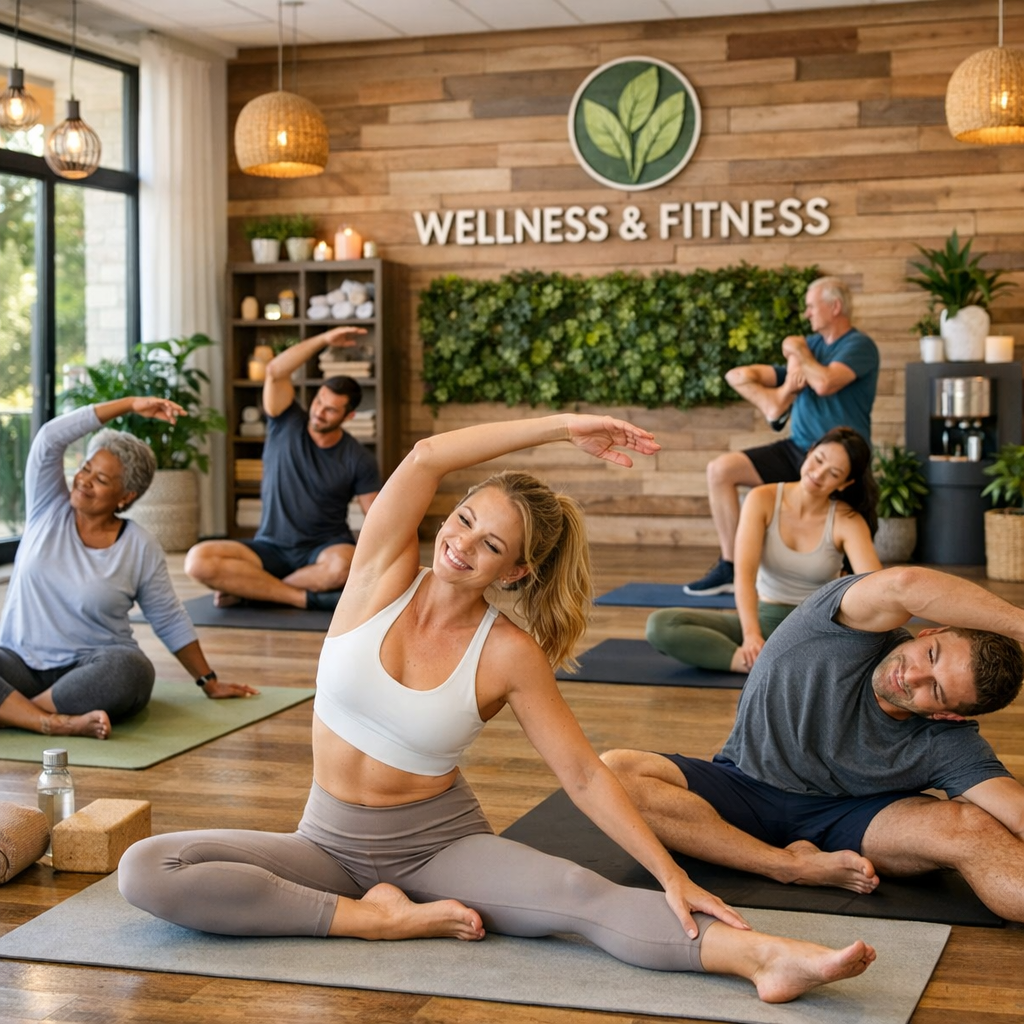
- Holistic and mindful practices – yoga, breathwork, meditation and wellness clubs are gaining traction as tools for stress reduction and better mental health.
- Flexible memberships and hybrid models – people prefer gym access to fit around their schedules, plus online follow-ups or community-driven options rather than long-term rigid contracts.
Tips to choose the right gym or wellness space for you
Finding the right fitness environment is key to staying active long term, especially in Dubai’s heat and fast pace.
- Location and hours: Choose a facility in your neighbourhood or on your commute route. Open early-morning or late evening hours help avoid peak heat and traffic.
- Facilities & offerings: Pay attention to equipment quality, variety of classes, availability of recovery zones, and whether services like nutrition advice or physiotherapy are offered.
- Atmosphere and community: Some gyms offer intense performance setups, others focus on gentle movement, social connection or wellness rituals—you’ll stay more consistent when the vibe feels right.
- Cost and flexibility: Monthly vs pay-as-you-go options, trial periods, mix-and-match class passes—these matter especially if you’re trying something new or switching styles. Premium isn’t always better, but quality should match your goals.
- Mental health integration: Look for wellness programmes that consider stress, sleep, mindset. Gyms that include mindfulness, recovery and instructors who understand mental load help build balance.
Adapting your fitness routine to Dubai’s climate
The year-round weather in Dubai brings unique challenges and opportunities for staying active:
- Indoors during heat peaks: Use air-conditioned gyms, fitness studios or malls to avoid extreme heat and protect your joints and energy levels.
- Hydration and timing: Exercise early morning or after sunset. Drink water before, during and after exercise—electrolyte balance is especially important.
- Slow starts & recovery: Warm-ups, mobility work, cool-downs protect against injury in warm months. Consider active recovery days built into training plans.
- Outdoor activity seasonally: When weather allows (winter months), take advantage of parks, waterfronts and outdoor group classes. These provide variety and can improve mood.
Mental wellness and building consistency
Exercise is one of the most effective tools for supporting mental health. It reduces stress hormones, boosts endorphins, improves sleep, and strengthens self-esteem. Group classes or social wellness gatherings also help reduce isolation.
Setting small, specific goals—with measurable steps—helps: whether learning a new class, improving sleep, or attending three sessions per week. Flexibility is important too: routines that leave room for rest, variation, and recovery tend to be more sustainable than rigid schedules. Finally, be kind to yourself—fitness is a marathon, not a sprint.
Final thoughts
Dubai’s wellness scene offers many paths—strength, performance, rest, community, mindfulness. The key is choosing sustainable habits: environments that feel supportive, routines that adapt to your climate and lifestyle, and prioritising mental as well as physical health. If you build fitness around your real life, you’re far more likely to stick with it.