

By Huda Al-Awadhi
Dubai’s property market has entered a more balanced phase. After years of rapid growth, recent trends show both opportunity and caution—for renters, buyers, and developers alike. Here’s what you need to understand now when considering your next move in Dubai’s real estate landscape.
1. Cooling Competition and More Choices for Renters
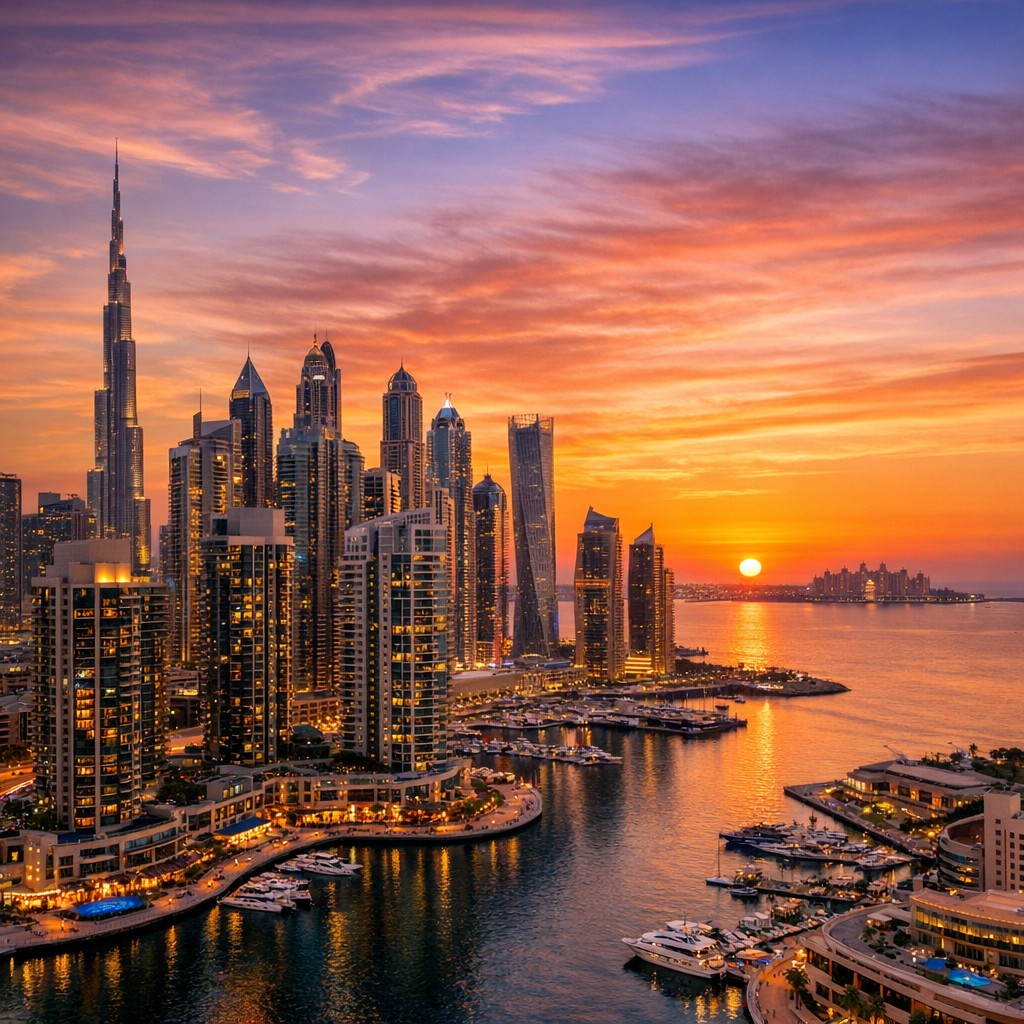
Rents in many apartment-heavy districts are stabilising. Data shows that as more units come onto the market, landlords are increasingly offering incentives like flexible payment terms or included amenities to attract tenants. Communities such as Dubai Marina, Downtown Dubai and Dubai Hills Estate remain relatively stable, thanks to sustained demand and limited fresh supply. Meanwhile, other areas are seeing softer trajectories due to oversupply.
2. Homebuyers are More Selective; Luxury Still Holds Value
On the sales side, there has been a drop in overall transactions, but prices—especially for villas and upscale properties—are holding up relatively well. Secondary market sales financed with mortgages have picked up, which suggests many are now buying homes to live in rather than just investing. Ultra-prime homes (those priced above US$10 million) continue to sell strongly in key prestige areas like Palm Jumeirah, Emirates Hills and Al Wasl.
3. Off-Plan vs Resale: Pros & Cons
Off-plan purchases still account for a big share of residential property sales in Dubai. They allow buyers to spread payments over time and often come with attractive prices, but they come with risks—delays, brokered projections, and variance in finish quality. Resale properties offer immediate occupation and more certainty over condition, but sometimes come with higher upfront costs and existing lease or ownership hurdles.
4. What Expats and First-Time Buyers Should Watch
- Freehold areas: Expats can buy property outright in designated freehold zones—places like JLT, JVC, Downtown, Dubai Hills Estate, Dubai Marina, Business Bay and others. Outside these areas rules may differ.
- Hidden costs: Don’t forget to budget for Dubai Land Department fees, mortgage processing charges, title deed registration, and possible Oqood fees for off-plan projects. Total “transaction costs” often add up to 7-8% on top of the property’s sales price.
- Mortgage terms: For ready properties under AED 5 million, expats can usually get up to 80% loan-to-value; above that threshold, or for non-residents, the rates are more conservative. Lenders also check income and debt levels carefully.
- Due diligence matters: Research developer reputations, past project delivery records, and verify titles through the Dubai Land Department. Marketing materials can often exaggerate finishes or amenities.
5. Market Outlook: Stability Over Speed
The outlook for the rest of 2026 points toward stability rather than dramatic change. With over 50,000 residential units expected to be delivered, supply growth is real—but it is also prompting more measured buyer sentiment and smoother rental growth. Whether you’re renting or purchasing, your bargaining power is improving, especially in communities where supply is higher and demand is softening slightly.
For both renters and buyers, this is a moment to be thoughtful—know your priorities, research carefully, and take advantage of the shifts that favour well-informed, long-term choices.