

Dubai has long been recognized for its rapid development and architectural marvels. However, in recent years, the emirate has also emerged as a leader in environmental sustainability, implementing a series of initiatives aimed at preserving natural resources and promoting a greener future.
Clean Energy Initiatives
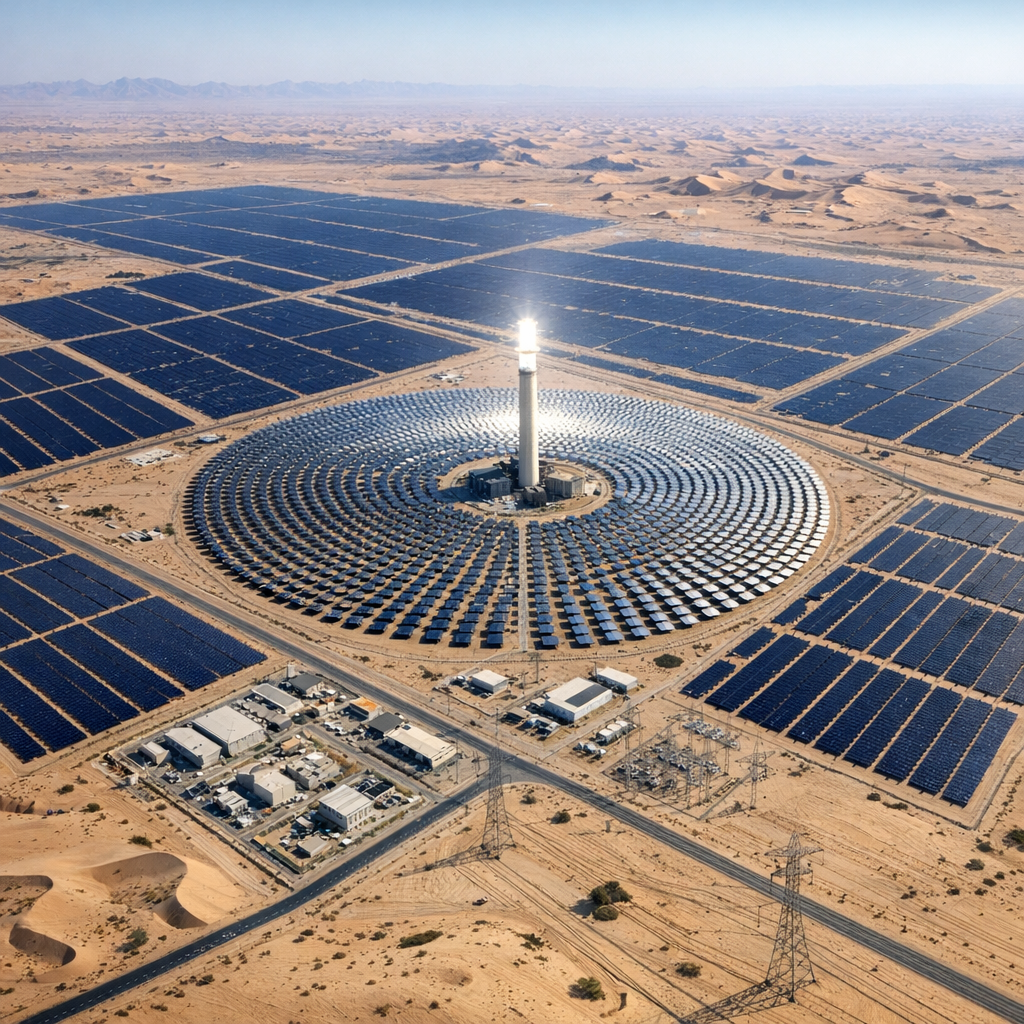
Central to Dubai’s sustainability efforts is the Mohammed bin Rashid Al Maktoum Solar Park, the largest single-site solar park globally. With a planned capacity of 5,000 MW by 2030, this project is set to reduce carbon emissions by over 6.5 million tons annually. Additionally, the Hatta hydroelectric power plant, the first of its kind in the GCC, utilizes water stored in the Hatta Dam to generate solar energy, further diversifying Dubai’s renewable energy portfolio.
Waste Management and Recycling
Dubai’s Integrated Waste Management Strategy 2041 aims to encourage innovation in waste management, recycling, and energy conversion. The strategy seeks to divert waste from landfills and promote sustainable waste practices. A significant component of this strategy is the Waste to Energy Centre in Warsan, the largest and most efficient waste-to-energy conversion facility in the world. The center has the capacity to treat around 2 million tons of solid waste annually, generating power that can meet the needs of more than 135,000 homes.
Marine Conservation Efforts
Recognizing the importance of marine biodiversity, Dubai has launched several initiatives to protect its coastal ecosystems. The DUBAI REEF program, one of the world’s largest marine reef development projects, aims to enhance biodiversity, safeguard marine habitats, and support fish populations. By deploying 20,000 reef modules by 2027, the initiative underscores Dubai’s commitment to marine conservation.
Community Engagement and Awareness
Community involvement is a cornerstone of Dubai’s environmental strategy. The ‘Dubai Can’ initiative, launched in 2022, encourages residents and visitors to reduce the use of single-use plastic bottles by promoting the use of refillable water bottles and providing access to free drinking water through public water stations. This movement not only reduces plastic waste but also fosters a culture of conscious living among the community.
Urban Greening and Air Quality
In an effort to enhance urban greenery and improve air quality, Dubai Municipality planted 216,500 new trees in 2024, marking a 17% increase from the previous year. This initiative expanded the emirate’s green spaces by 391.5 hectares, contributing to the city’s resilience against climate change and enhancing the quality of life for its residents.
Through these comprehensive initiatives, Dubai continues to demonstrate its dedication to environmental sustainability, setting a benchmark for cities worldwide in the pursuit of a greener and more sustainable future.