

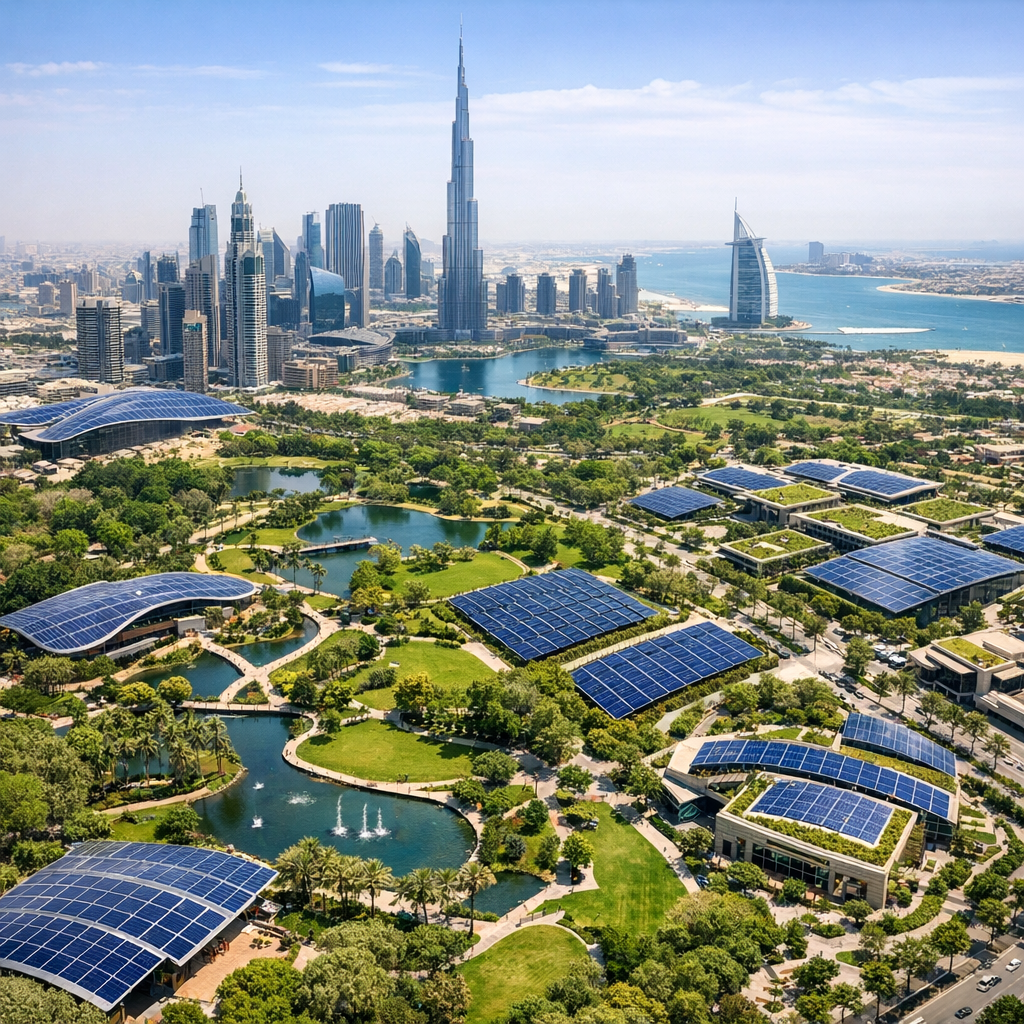
Dubai has long been recognized for its rapid development and architectural marvels. However, alongside its urban growth, the emirate has demonstrated a steadfast commitment to environmental sustainability. This article delves into the various initiatives and strategies that Dubai has implemented to promote a greener future.
Environmental Authorities and Their Roles
At the federal level, the Ministry of Climate Change and Environment (MOCCAE) is responsible for developing and implementing national policies related to environmental sustainability, climate change, and food security. Within Dubai, the Dubai Municipality plays a pivotal role in enforcing environmental regulations, monitoring air and water quality, and managing waste disposal and recycling initiatives. Additionally, the Dubai Environment and Climate Change Authority focuses on protecting the environment and ensuring sustainability through innovative policies that balance economic growth with conservation efforts.
Clean Energy Initiatives
Dubai has made significant strides in the realm of clean energy. The Mohammed Bin Rashid (MBR) Solar Park stands as the world’s largest single-site solar park, with a planned capacity of 5,000MW by 2030. This ambitious project aims to reduce carbon emissions by 6.5 million tonnes annually. Complementing this, the Hatta hydroelectric power plant utilizes water stored in the Hatta Dam to generate solar energy, marking the first of its kind in the GCC region.
Waste Management and Circular Economy
In its pursuit of a zero-waste future, Dubai launched the Circle Dubai project under the slogan ‘Reduce…Reuse…Recycle…Together we make a difference.’ This initiative targets a 100% diversion of all waste types from landfills by 2041, redefining waste management practices through innovation and community participation. Supported by 17 strategic projects and 26 performance indicators, Circle Dubai emphasizes the importance of reducing waste at the source and modernizing collection methodologies.
Urban Greening and Biodiversity Conservation
Recognizing the importance of green spaces, Dubai Municipality planted 216,500 new trees in 2024, marking a 17% increase from the previous year. This effort expanded the emirate’s green spaces by 391.5 hectares, enhancing the urban landscape and improving air quality. Additionally, Dubai has established eight protected areas covering approximately 31% of its total area, representing all major ecosystem types, from mountains and deserts to coastal and marine environments.
Community Engagement and Awareness
Community involvement is central to Dubai’s environmental strategies. The ‘Dubai Can’ initiative encourages residents to reduce single-use plastic water bottle waste by promoting the use of refillable bottles and providing access to free drinking water through strategically placed water stations. Such initiatives aim to foster a culture of conscious living and sustainability among residents and visitors alike.
In conclusion, Dubai’s multifaceted approach to environmental sustainability reflects its dedication to balancing rapid urban development with ecological preservation. Through a combination of governmental policies, innovative projects, and community engagement, the emirate continues to pave the way toward a sustainable and resilient future.