

Dubai has long been recognized for its rapid development and architectural marvels. However, in recent years, the emirate has also emerged as a leader in environmental sustainability, implementing a series of initiatives aimed at preserving natural resources and promoting a greener future.
Clean Energy Initiatives
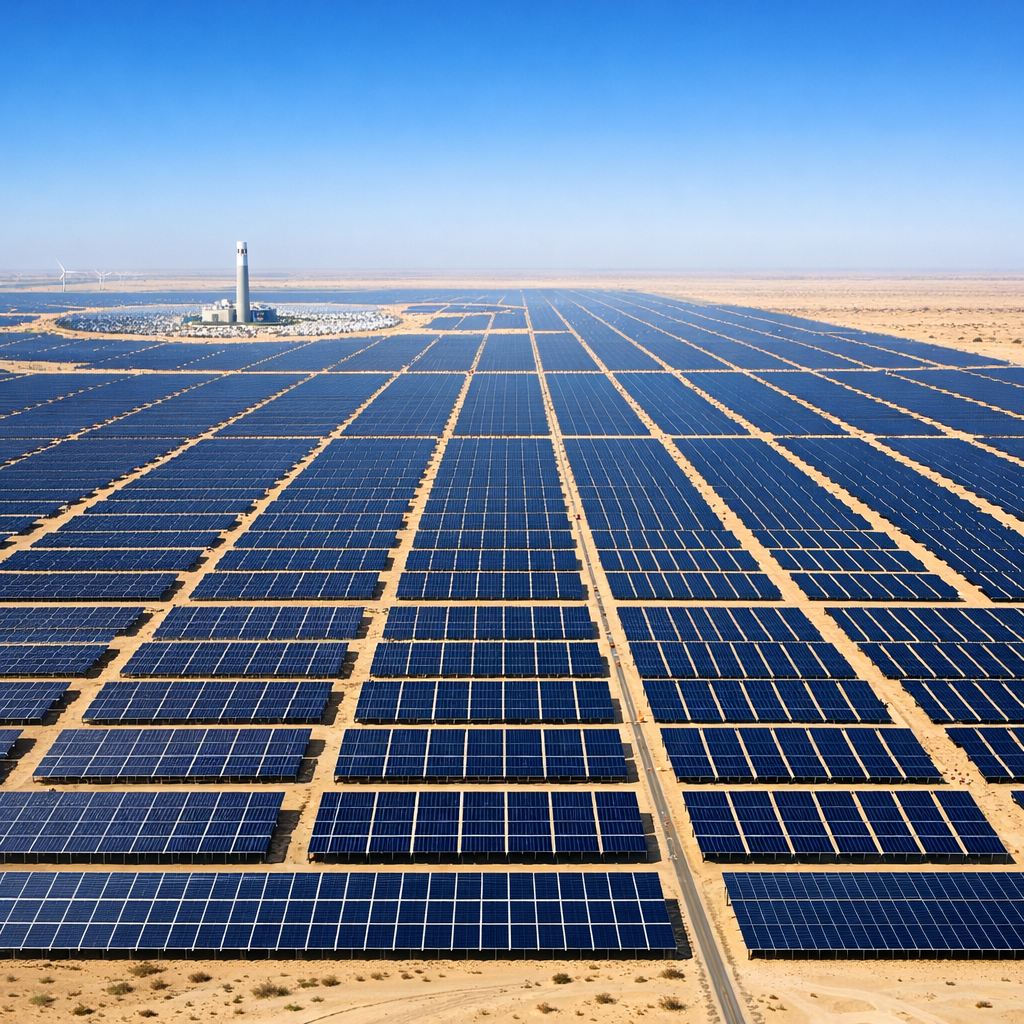
Central to Dubai’s sustainability efforts is the Mohammed bin Rashid Al Maktoum Solar Park, the world’s largest single-site solar park based on the Independent Power Producer model. With a planned production capacity of 5,000 MW by 2030, this project is expected to save over 6.5 million tons of carbon emissions annually. Additionally, the Dubai Demand Side Management Strategy 2050 aims to double energy efficiency improvements, targeting savings of at least 30% by 2030 and 50% by 2050 compared to business as usual in electricity, water, and transport fuel consumption.
Waste Management and Recycling
Dubai’s Integrated Waste Management Strategy 2041 seeks to encourage innovation in waste management, recycling, and energy conversion. The strategy is supported by a budget of AED 74.5 billion, with AED 70.5 billion as a direct contribution from the private sector. Complementing this, the Waste to Energy Centre in Warsan is the largest and most efficient waste-to-energy conversion facility globally, capable of treating around 2 million tons of solid waste annually to generate power for more than 135,000 homes.
Marine Conservation Efforts
Recognizing the importance of marine ecosystems, Dubai has launched the DUBAI REEF programme, one of the world’s largest purpose-built reef developments. Spanning 600 km² and incorporating more than 400,000 m³ of reef structures, the initiative aims to restore marine habitats, enhance biodiversity, and support conservation research and ecotourism. By 2027, the programme plans to deploy 20,000 reef modules to benefit marine life across Dubai’s waters.
Urban Greening and Air Quality
In 2024, Dubai Municipality planted 216,500 new trees, marking a 17% increase from the previous year. This initiative expanded the emirate’s green spaces by 391.5 hectares, enhancing the urban landscape and improving air quality. Advanced irrigation systems powered entirely by recycled water were introduced to ensure a sustainable approach to urban greening.
Community Engagement and Education
Dubai Can is a citywide sustainability initiative launched to reduce the utilization of single-use plastic water bottles. The programme encourages residents and visitors to use refillable water bottles and provides access to free and safe drinking water through the installation of water stations across the city. This initiative fosters a culture of conscious living and raises awareness about plastic alternatives and sustainability issues.
Through these comprehensive initiatives, Dubai demonstrates its unwavering commitment to environmental sustainability, setting a benchmark for cities worldwide in the pursuit of a greener and more sustainable future.