

Dubai continues to address urban challenges posed by rapid growth, with multiple infrastructure and traffic measures under way to improve daily life for its residents. As congestion, construction disruptions, and service gaps become more noticeable, the government’s response points toward long-term planning and immediate fixes.
Tunnel vision: Al Khaleej Street’s growing promise
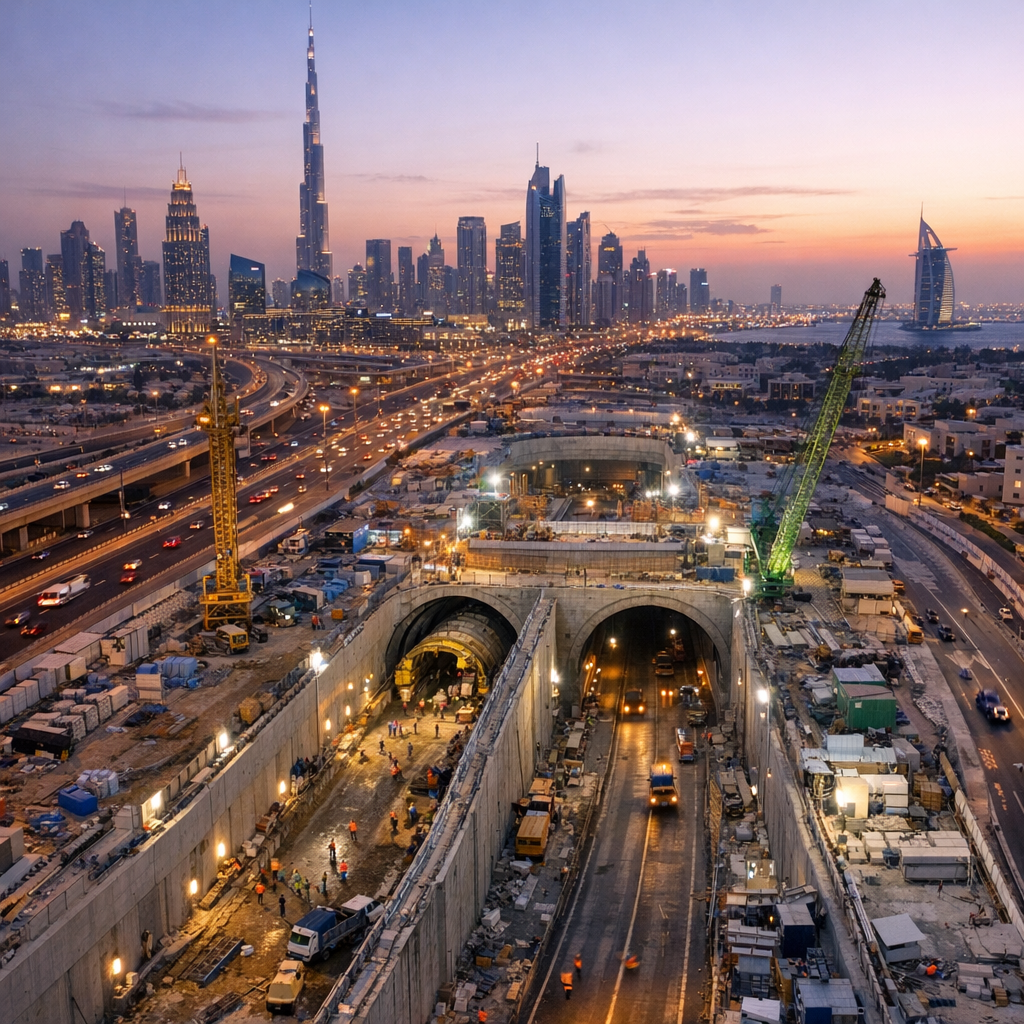
The Roads & Transport Authority reports that 80% of the Al Khaleej Street Tunnel Project is now complete. Stretching 1,650 metres from the end of Infinity Bridge ramp in Deira to the Al Khaleej–Al Wuheida intersection, the tunnel will include three lanes each way and can handle up to 12,000 vehicles per hour in both directions. The development is part of the broader Shindagha Corridor Improvement Project, designed to meet rising demand as the population and vehicular numbers increase.
Helping school zones, widening roads, improving intersections
As students return to class, Dubai’s Roads & Transport Authority has enhanced traffic flow at six school-zone locations and upgraded more than 10 school-area intersections. These upgrades include new traffic signage, safer drop-off zones, and rerouted traffic to reduce bottlenecks during peak hours.
In other parts of the city, major road improvement work continues, such as upgrades to Oud Metha and Al Asayel streets. Additionally, Sheikh Zayed Road saw a two-kilometre widening near Dubai Mall/Burj Khalifa to ease congestion toward the World Trade Centre intersection.
Community feedback and noise issues in high-rise areas
Residents in Jumeirah Lakes Towers (JLT) have voiced concerns about ongoing nighttime construction noise despite regulations that require special permits and strict decibel limits for after-hours works. Some residents say prior complaints led to temporary relief, but more recent noise instances have gone unaddressed. There have been requests for more responsiveness from authorities about reports made via mobile apps.
Weather resilience and emergency response
After recent intense rainfall, Dubai’s authorities activated joint emergency protocols involving Dubai Municipality, the RTA, and other agencies. The work included clearing waterlogged roads—especially on major arteries like Sheikh Zayed Road—restoring Metro operations quickly, and deploying pumps, tanks, and heavy machinery to affected areas. The rapid response underscored long-term concerns around drainage systems and infrastructure resilience in the face of extreme weather.
Looking ahead: what these changes mean for residents
For many Dubai residents, these developments translate into shorter commutes, safer school zones, quieter evenings, and improved reliability in public services during weather emergencies. Civic engagement—especially during community meetings—has also proved essential in drawing attention to neglected issues like noise and sewer odours.
However, challenges remain, including balancing growth with livability, enforcing regulations for construction and noise, and ensuring infrastructure keeps pace with population changes. As projects move from planning to completion, ongoing feedback from communities will be essential.
— Aisha Khalifa