

Dubai has long been recognized as a global hub for business, tourism, and luxury. However, recent geopolitical tensions and economic shifts have tested the city’s resilience. This article examines how Dubai continues to navigate these challenges, maintaining its position on the world stage.
Impact of Regional Conflicts on Dubai’s Economy
The recent conflict involving Iran has had significant repercussions for the Middle East, with Dubai feeling the effects in various sectors. The luxury industry, a cornerstone of Dubai’s economy, has experienced a downturn. Reports indicate that foot traffic in major shopping centers like Dubai Mall decreased by 50% in March, leading to a substantial decline in sales for luxury brands. This downturn is attributed to security concerns and a decrease in tourist numbers.
Tourism Sector Facing Unprecedented Challenges
Tourism, a vital component of Dubai’s economy, has also been impacted. The escalation of regional conflicts has led to flight cancellations and a drop in tourist arrivals. Analysts predict that Middle Eastern tourist arrivals could decline by up to 27% in 2026, potentially resulting in a loss of $56 billion in visitor spending. This situation underscores the vulnerability of the tourism sector to geopolitical instability.
Business Events and Conferences: A Mixed Outlook
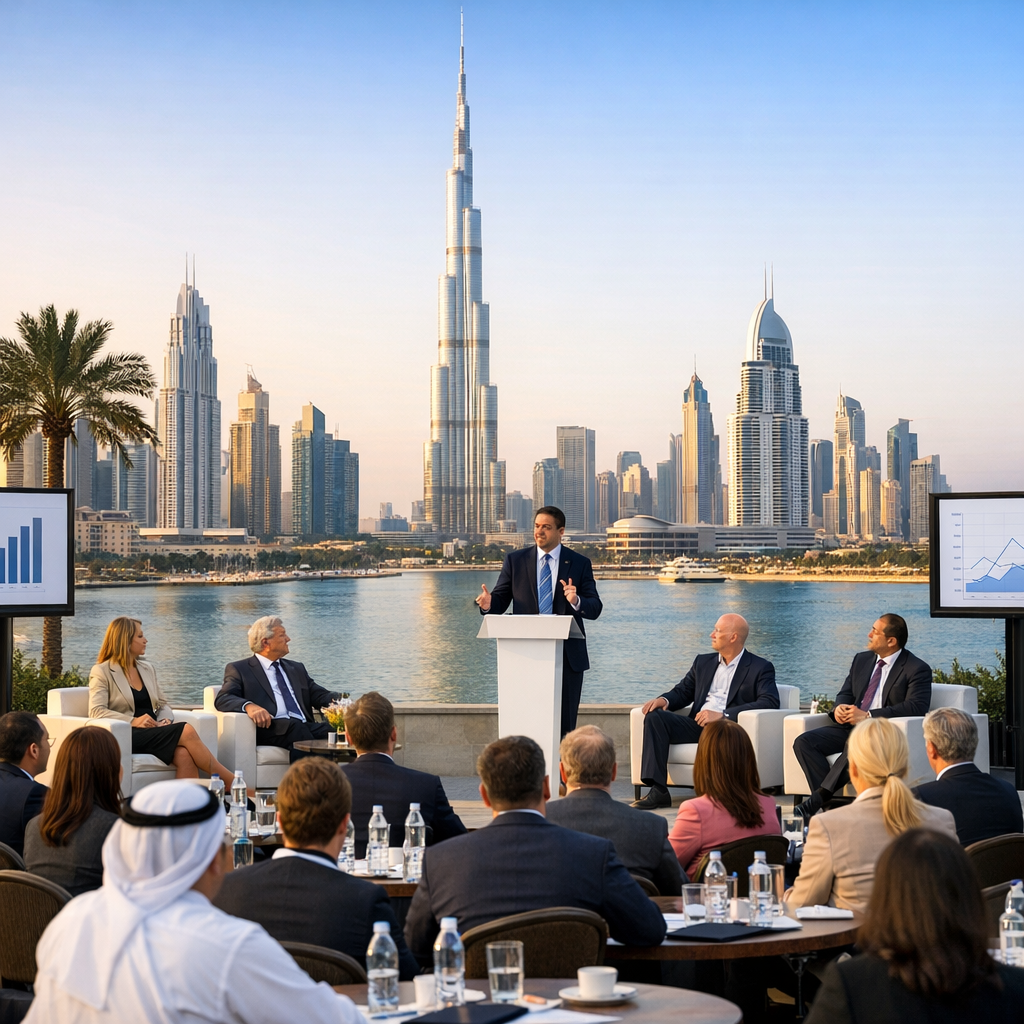
Despite these challenges, Dubai has demonstrated resilience in the business events sector. In 2025, the city secured 504 global business events, marking a 15% increase from the previous year. These events are expected to attract over 272,000 delegates through 2029, contributing significantly to the local economy. However, some events have faced disruptions; for instance, a major energy event was postponed to September 2026 due to regional conflicts.
Strategic Initiatives and Future Prospects
Dubai’s leadership has been proactive in mitigating the impact of these challenges. Initiatives such as the Dubai Economic Agenda (D33) aim to reinforce the city’s economic resilience. The expansion of the Dubai Exhibition Centre and the hosting of major events like GITEX GLOBAL and Gulfood in 2026 are part of efforts to sustain economic growth. Additionally, the city’s strategic location and world-class infrastructure continue to attract international businesses and investors.
In conclusion, while Dubai faces significant challenges due to regional conflicts and economic shifts, its strategic initiatives and resilient infrastructure position it to navigate these turbulent times effectively. The city’s ability to adapt and innovate remains crucial in maintaining its status as a global business and tourism hub.