

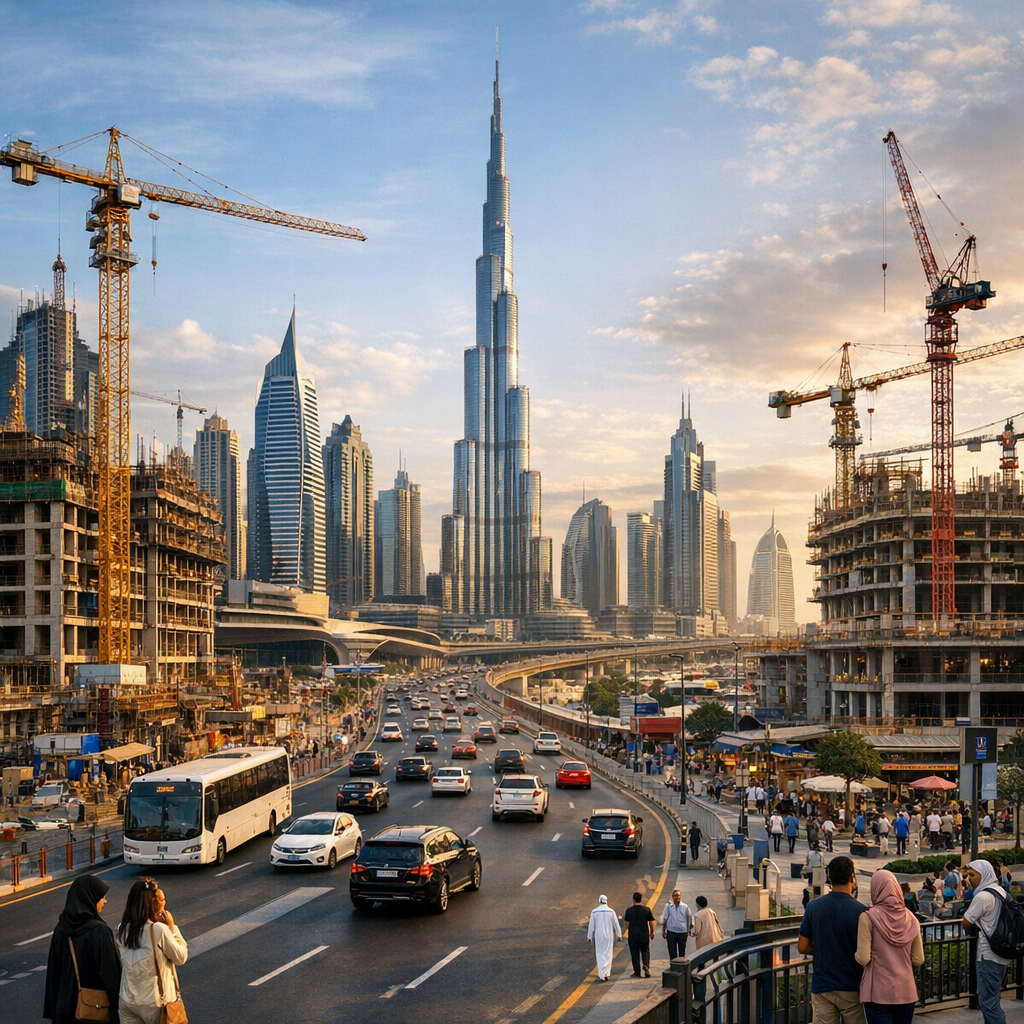
Dubai has long been recognized as a beacon of stability and prosperity in the Middle East, attracting global investors and tourists alike. However, recent regional conflicts have posed significant challenges to its economic landscape.
Impact on Key Sectors
The luxury industry, a cornerstone of Dubai’s economy, has experienced notable setbacks. The 2026 conflict in Iran disrupted the global luxury goods market, leading to a substantial decline in tourist numbers and retail sales within the Gulf region. Dubai’s renowned shopping centers, such as the Dubai Mall, reported a 50% drop in visitors, directly affecting sales figures for major luxury brands.
Financial Sector Under Pressure
Dubai’s status as a global financial hub has also been tested. The ongoing Iran conflict has introduced uncertainties, with threats targeting banks linked to the U.S. or Israel. This has prompted precautionary measures, including evacuations from financial centers like Dubai, raising concerns about the city’s long-standing reputation as a safe haven for international capital.
Resilience Through Strategic Initiatives
Despite these challenges, Dubai has demonstrated remarkable resilience. The city has secured hosting rights for 504 major global events over the next four years, marking a 15% increase compared to previous years. These events are expected to attract approximately 272,262 international delegates, underscoring Dubai’s commitment to maintaining its position as a premier destination for business and tourism.
Furthermore, Dubai’s events industry has significantly contributed to the local economy. In 2024, large-scale events hosted at the Dubai World Trade Centre generated AED22.35 billion ($6.08 billion) in economic value, benefiting various sectors including retail, hospitality, and transportation.
Looking Ahead
While regional conflicts present undeniable challenges, Dubai’s proactive strategies and robust infrastructure position it to navigate these turbulent times effectively. The city’s ability to adapt and innovate continues to reinforce its status as a global hub for commerce and culture.