

By Layla Al-Mansoori
It’s easy to feel distant from global headlines—but some crises strike close to home for everyone, everywhere. In this article I explore three major ongoing global challenges: water scarcity, plastic pollution, and the transition to renewable energy. We dive into what’s happening, what’s driving it, and how it affects communities across the planet including here in the UAE.
1. Water Scarcity: Not Just Droughts, But a Crisis of Access and Quality
Water scarcity refers not only to lack of rainfall, but also to when supply fails to meet demand, or when water is too polluted to use. It comes in many forms: physical scarcity where water simply isn’t available, infrastructure scarcity when there’s no way to deliver it, and access scarcity when people don’t have safe or affordable access. FAO describes all three as contributing to serious challenges for agriculture, food, energy, and public health globally. UN data shows nearly half the world’s population faces severe scarcity for at least one month each year. Climate change is intensifying the pressure on water resources through altered rainfall, warming, and melting ice. International bodies warn that limiting warming to 1.5°C, compared to higher levels, could roughly halve the number of people suffering scarcity. (FAO; UN)
How It Affects Communities
In many developing regions, water scarcity disrupts school attendance, especially for girls, who often bear the burden of collecting water. Urban areas struggle with aging systems or pipes, and rural zones may lack basic infrastructure. In areas dependent on agriculture or hydro-power, shortages hurt both food and energy security.
2. Plastic Pollution: An Ocean of Consequences
Plastic waste continues to be one of the biggest threats to marine ecosystems. Every year, millions of tonnes of plastic—from microplastics to large debris—enter oceans, where they persist for decades, disrupt habitats, and harm marine species. UNEP estimates over eleven million metric tonnes enter the oceans annually. Microplastics are heavily reported, especially in coastal areas, estuaries, beaches. They come from fishing gear, bags, bottles, and more. Studies show major physiological effects in fish, molluscs, and crustaceans—for example, ingestion, metabolic stress, and damage linked to toxic substances.
Risks to Human Well-Being</
Plastic pollution matters not only for octopus and coral, but also for humans. Contaminated seafood, microplastics in water supplies, and breakdown products with chemical risks all pose potential health hazards. Coastal economies—tourism, fishing—are destabilized. Efforts in many places, including parts of the Gulf, have begun to tighten regulation, improve waste management, and reduce single-use plastics.
3. Renewable Energy: Momentum Rising, But Gaps Remain
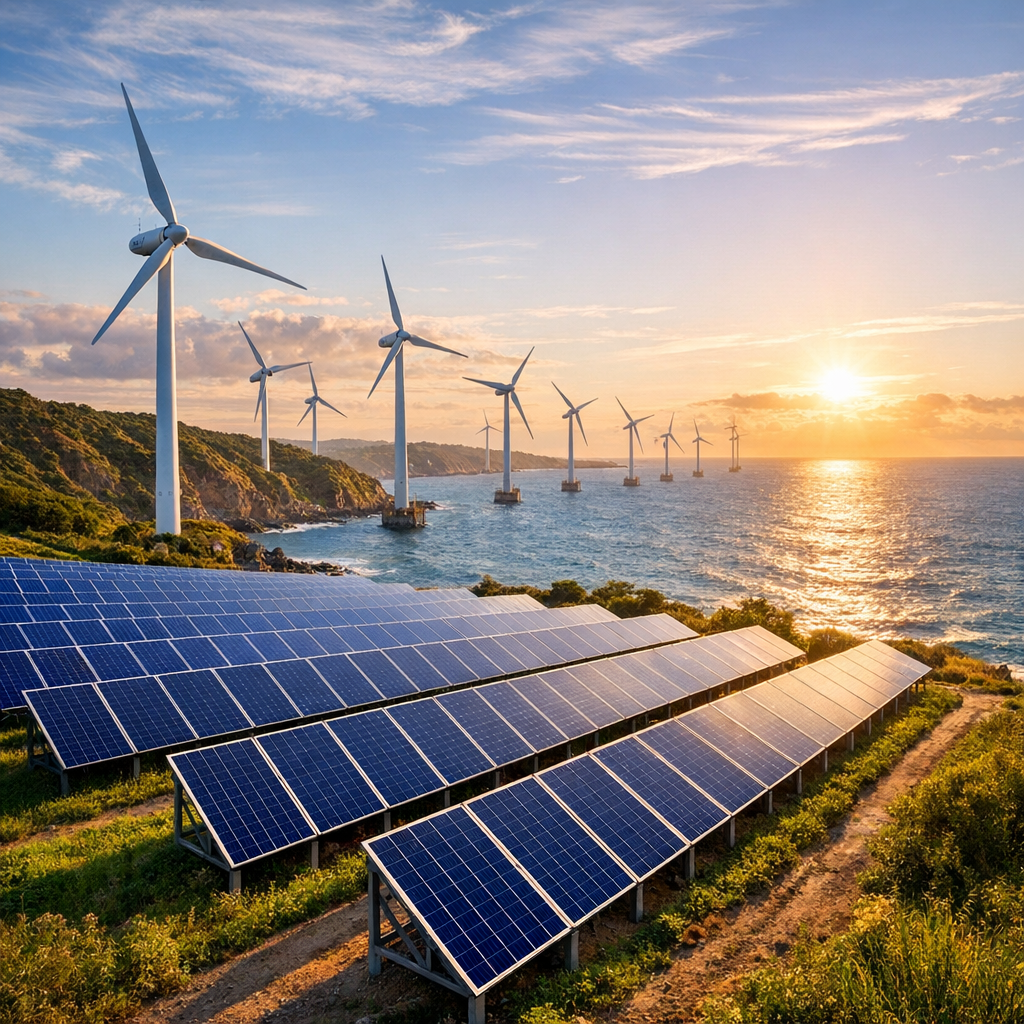
There has been record-breaking expansion in renewable energy globally. In 2025, renewable power capacity grew strongly, with solar PV making up more than three-quarters of new additions. Wind also saw solid gains. Low costs, better policies, and rising demand for cleaner electricity are driving the shift. IEA forecasts suggest renewables will account for around 43% of global electricity generation by 2030—climbing from about 32% in 2024.
Obstacles to a Just Transition
Despite progress, many countries face challenges: limited access to finance, grid capacity constraints, regulatory hurdles, and supply chain disruptions. Without strong policy support, poorer or remote regions can lag behind, increasing inequality in energy access. Experts emphasize that reaching climate targets depends not just on scaling renewables, but doing so equitably.
What It Means Here in the UAE and Beyond
The UAE, with its arid climate and coastal location, lies at the intersection of all these global issues. Water desalination and infrastructure play a critical role locally; coastal ecosystems are under stress from pollution and development; and the country is leading in deploying solar power and hosting international climate diplomacy. Solutions developed here can also teach lessons globally: for example, investing in advanced water recycling, ultra-efficient desalination, solar farms, and strong regulations on plastic waste.
To manage interconnected global challenges like these, we need more than technology. Long-term policy vision, public awareness, community action, and international cooperation are essential. No region stands apart.
For further reading or suggestions for local action, I’d be happy to share reliable resources and case studies—just let me know.