

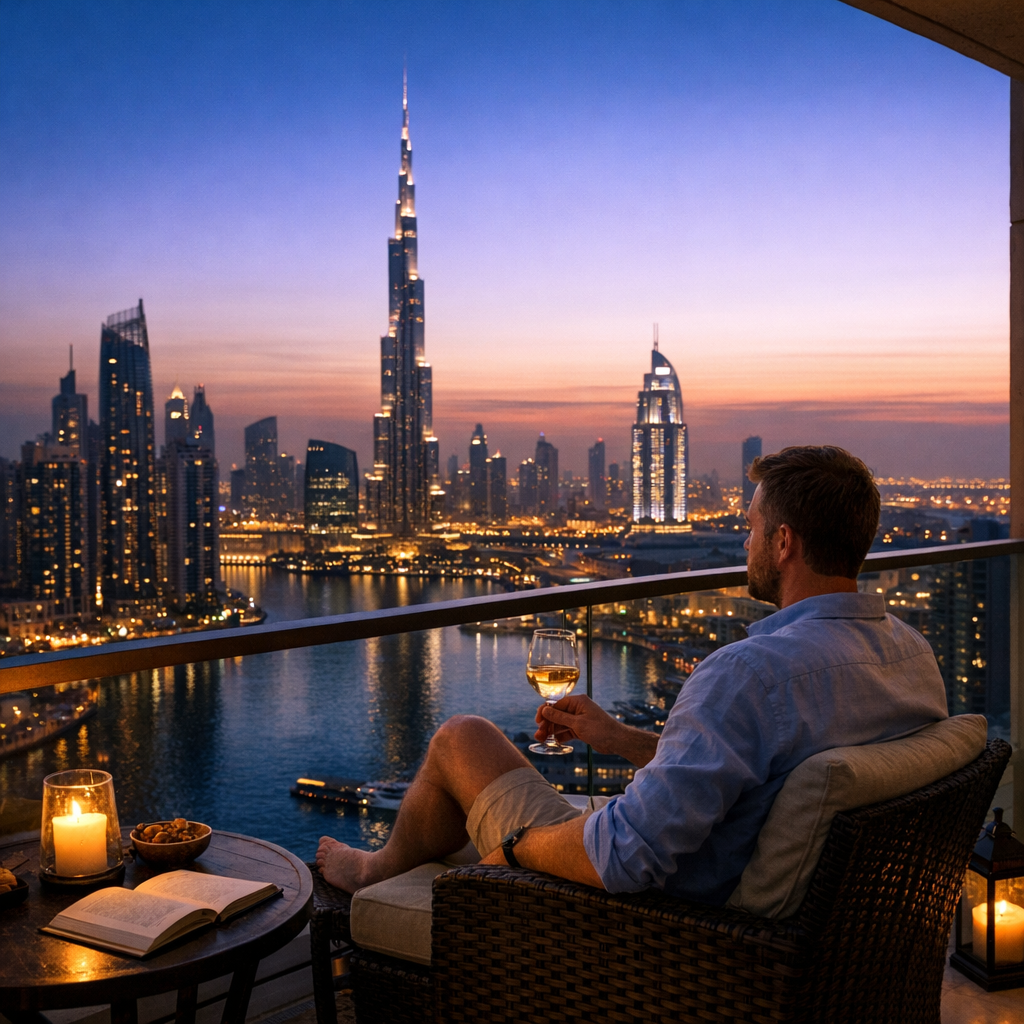
My name is Ali Al-Ameri. I moved to Dubai several years ago, and sometimes I think my story might sound familiar. A new job, promise of opportunity, a temporary plan—but time stretches, routines settle in, and you start to wonder: where is home, exactly?
The Brilliance and the Let-downs
Dubai dazzles. The ambition of its skyline, the convenience of its services, and the energy that pulses through its streets—these are things that pull people here. In many ways, the city shows us what dreams of progress can look like when everything is planned and paved and open. There is safety, efficiency, and the promise that you can build something—maybe a career, a family, a life.
But there are undercurrents, too. For many of us, especially expats, Dubai can feel like living in a hybrid. Between cultures, laws, visa statuses, and expectations. A place that appreciates hard work—but also reminds you often that some parts of society are easier to belong to than others. Sometimes it’s bureaucracy; sometimes it’s the social distance that comes with being “just one” among many.
Invisible Pressures in the Everyday
Of Identity and Adaptation
Adjusting means learning when to speak, when to stay quiet; when to show parts of yourself, and when to adapt quietly. There’s the “honeymoon phase”—the first amazement—then the drift, when what felt exhilarating turns exhausting. The way you work, learn, even eat—these small things become battlefields between who you were and who you must become to fit in.
The Weight of Temporariness
Many expats arrive convinced this is not forever. Rented apartments, short visa renewals, jobs tied to contracts. These are everyday reminders that nothing is permanent. Your circle of friends changes; colleagues come and go; the idea of building roots feels like an aspiration more than a guarantee. It shifts your priorities: what matters now, what can wait.
Some Choices That Help Bridge the Gap
Here are things I’ve found, through trial and error, to feel more anchored in this city of transitions:
- Community beyond nationality: find spaces where people are united by shared interests—art, volunteering, sports—not just shared languages or backgrounds.
- Learn bits of culture and language: even small efforts—learning greetings in Arabic, understanding social norms—can change how close or distant people feel around you.
- Build for more than today: savings, side-projects, skills that aren’t tied to one job or visa. Because even if you’re here temporarily, those things follow you.
- Talk about the uncomfortable bits: the loneliness, the gaps in belonging. Sharing with others helps normalize them, helps build unexpected connections.
What I Still Wonder
If everyone here is preparing for change—new jobs, new friends, new visas—can a sense of permanence really take root? And should it? Maybe the strength of living in Dubai is learning to be resilient in being in flux.
Still, as I write this, I believe something more hopeful: that belonging isn’t always about permanence. It’s about finding—however briefly—a place where you are seen, where your efforts count, where your presence matters. And that can make this city feel, if only sometimes, like home.