

By Ali Al-Ameri
Dubai is often admired for its skyline, its multicultural buzz and the speed with which the city transforms. But beneath the steel and glass lies something less visible, yet just as essential: how people find belonging here — whether emigrants, long-time residents, or Emiratis born into change.
Friendships That Bridge Worlds
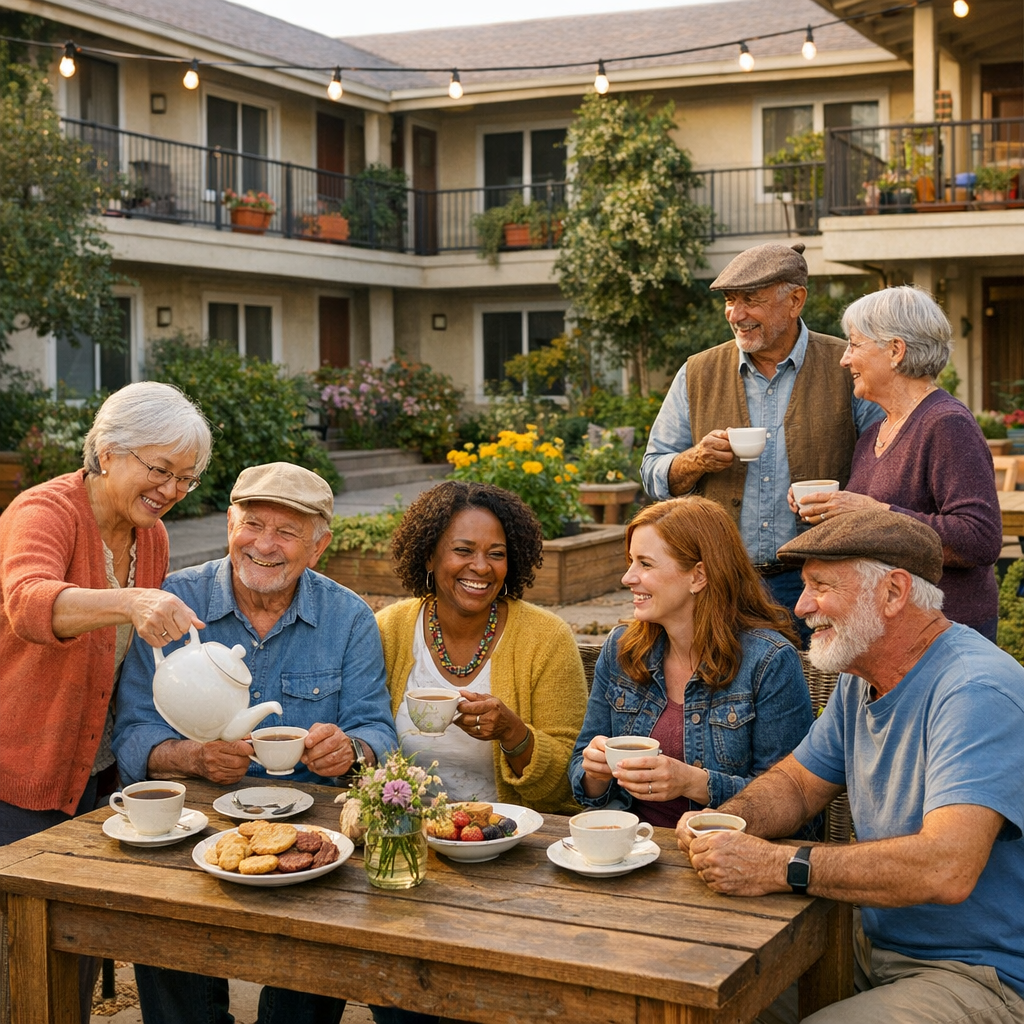
I spoke with Aisha, an Eritrean nurse who came here ten years ago. She misses the sounds of her childhood — the laughter of her siblings, morning greetings in Tigrinya — but over time she has built a chosen family here. Neighbours in her block now share meals during Eid, celebrate birthdays together, and help each other through challenges like commuting or help with children when parents are away. She says these friendships helped her move from feeling like a guest to feeling like part of something. It shows how intimacy grows, even when homes are thousands of kilometres apart.
The Longevity of Long-Term Migrants
Rafiq, a mechanical engineer from India, recently returned after having lived in Dubai since 1990. He remembers modest wages, partitioned housing, but also small joys: five friends from different countries gathered at dinner; Karak tea for 1 dirham; impromptu walks through older parts of town like Deira. He says those early years taught him resilience. “We made a home of grit and laughter,” he tells me. He believes some of that spirit is fading amid rapid growth — but insists it’s still there, in pockets: in labour camps, in villas, in where people share food and news under the sky.
Gaps Yet to Fill
Despite many finding their place, there are shared frustrations. Some expats say it’s hard to meet genuine friends outside their own cultural or professional circles. Community life is often planned around big developments—luxury towers, gated compounds—with fewer spontaneous spaces for people to connect across divides. The Community Development Authority’s recent social survey highlights high family cohesion and pride in Dubai, but also points to growing demand for public spaces and places where people can feel heard when it comes to local decision-making.
What Helps Make Belonging Grow
From what people I’ve spoken with say, here are seeds that help belonging thrive:
- Accessible communal spaces: parks, community centres, local markets—where people bump into each other.
- Cultural events small enough to feel intimate, not just grand festivals.
- Volunteer programmes and neighbourhood initiatives that let people contribute, even if their visa status isn’t permanent.
- Encounters across differences – sharing food, language exchange, helping someone in need.
- Listening: when people feel someone is really taking into account their concerns about rent, traffic, noise, or safety.
Holding the City Together
What I hear often is this belief: Dubai’s strength doesn’t just lie in its skyline or economy or its status on world maps. It lies in the everyday kindness, the mixing of backgrounds, the stories people carry into the communities they build here. For many, home isn’t defined by status or permanence—it’s the moment when someone asks how you are and means it.
Belonging in Dubai is not guaranteed. It is earned in conversations between neighbours, in helping someone else, in preserving a memory, even quietly. For those searching for roots beneath the shifting skyline, that is where Dubai’s heart truly lies.