

By Ali Al-Ameri
Walking through Sunset Mall, stopping for karak chai at a café in Al Satwa, or joining a jogging group in The Meadows—these everyday moments become the threads that stitch together a sense of home in Dubai. For many of us who’ve moved here from near or far, community isn’t an abstract idea; it’s what helps us feel grounded when everything else changes fast.
The Layers of Belonging
Dubai is odd in its familiarity. It’s a place where I hear Malay and Tagalog, Urdu and Arabic, English and dozens of others within blocks. This blend—expat and local, transient and rooted—is its strength. But belonging travels beyond the comfort of hearing your language; it’s in being seen.
For my friend Reema (now of Al Barsha), attending an Emirati majlis for the first time felt like stepping into a secret garden—wide open yet intimated by unfamiliar rules. She wasn’t born here, but she carried respect. And in that mutual openness, even her awkward questions helped others see her not as guest, but member.
Community in Small Gestures
The everyday kindnesses—from the neighbour who waters your plants when you’re away, to the email chain that helps new arrivals find chairs or second-hand wardrobes—matter more than we know. Digital tools, from WhatsApp groups in Greens or Al Furjan to forums sharing updates during bad weather or parking restrictions, have become lifelines. They connect practical help and simple solidarity.
One example is the “Your Voice is Heard” initiative by Dubai Police in Al Ttay, which opens the floor for everyone, including labourers who often feel their voices are missed. Feedback sessions, cultural exchanges, and trust grow when people really listen. It’s what makes institutions feel human.
When Life Outside “Work Life” Feels Thin
Many arrive with ambition: career growth, higher salary, international life. But in the rush between professional achievements, it’s easy to drift without roots. I’ve met engineers who don’t recognize neighbours, editors who haven’t tried Emirati food in their block, teachers who live years without inviting anyone over.
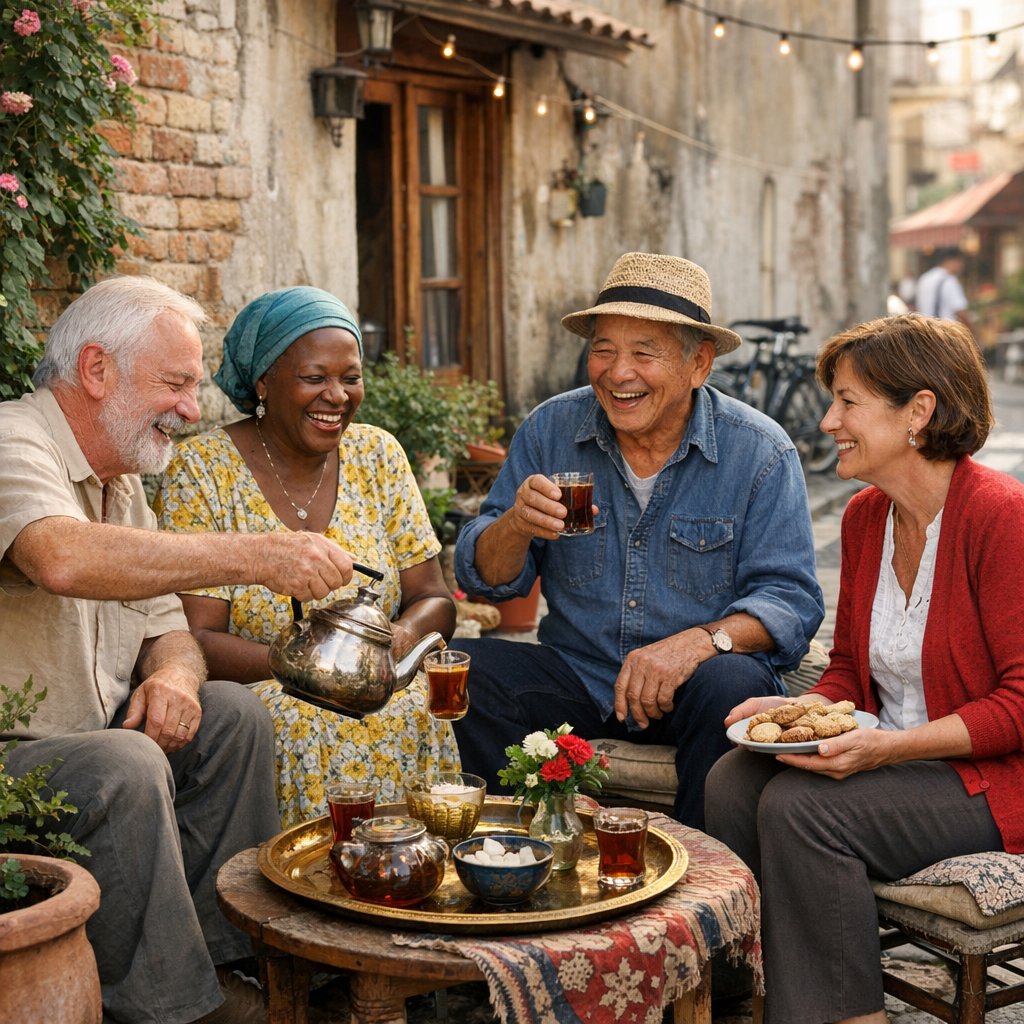
Breaking that pattern is not hard. Potlucks, shared walks, putting up flyers at the community board for interest groups—all build bridges. Sometimes we forget the power of simply inviting someone for tea, or joining a clean-up at the park, or saying salaam first.
What Makes Dubai’s Community Unique—and What We Still Hope For
What sets Dubai apart is the intentionality of connection. Global festivals, multicultural events, community programmes hosted by authorities—they show that belonging isn’t left to chance. It’s structured. It’s offered.
Still, there’s room to grow. Affordable communal spaces that facilitate spontaneous interactions. Neighbourhood leadership where long-term expats and locals alike can voice what they need most. More cultural translators—those who help bridge expectations between traditions, norms, and modern ways.
Parting Thoughts
Home isn’t a fixed place—it’s the people who become part of your story. In a city where movement is constant and faces change, we carry what we build: relationships, kindness, shared laughter in shared coffee-cups. If you’re journeying through Dubai today, I hope you’ll start small: smile at someone, share your story, ask someone else for theirs. You belong more than you think.