

By Layla Al-Mansoori
1. Shifting Geopolitics and Regional Conflict Spillovers
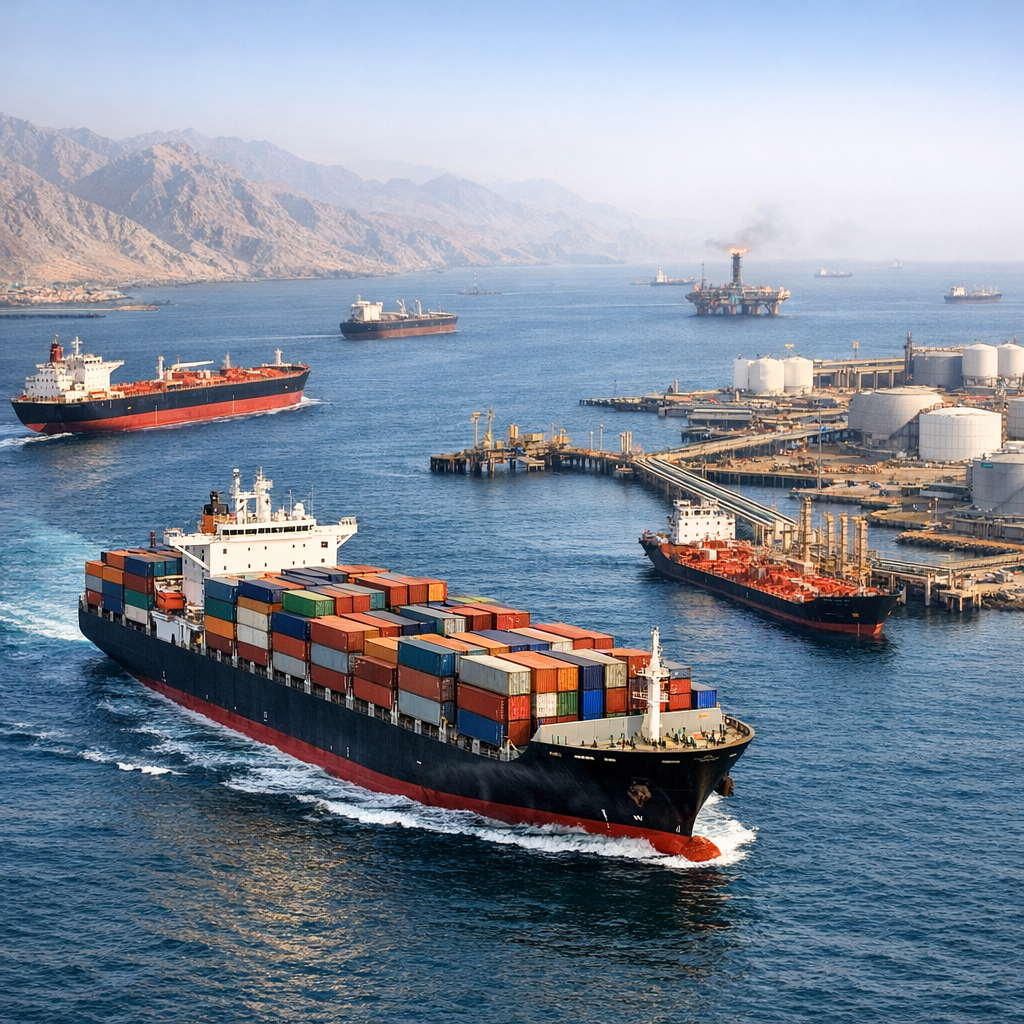
The war in the Middle East continues to dominate global security concerns. Attacks on maritime routes like the Strait of Hormuz have disrupted energy transport and drawn more states into logistic and diplomatic tensions. These developments carry heightened risks for long-term stability in the region. Regions like Yemen and southern Syria remain flashpoints, and ceasefire agreements are fragile. The UAE, by virtue of its geographic position and leadership role, remains closely linked to how these dynamics evolve.
2. Energy Markets under Pressure
Disruptions to oil production, export routes, and refinery operations have pushed global energy prices higher. For many import-dependent countries, this means elevated inflation and budget strains; for exporters, it presents both opportunity and risk. While the UAE benefits from infrastructure allowing alternative oil export routes, other Gulf states with less flexibility are more exposed to interruption risks.
3. Economic Slowdown & Uneven Recovery
Economic growth is slowing in many regions. Finance sectors, international trade, tourism, and logistics are showing signs of weakened momentum. In the Gulf Cooperation Council, growth projections have been revised downward amid falling external demand and rising geopolitical risk. Still, many forecasts expect a rebound, assuming stability returns.
4. Food, Trade & Global Supply Chains at Risk
Food security and agricultural production are under pressure. Conflict-induced disruptions have affected fertilizer exports and transportation of staple goods. Global supply chains — especially for energy, semiconductors, and key raw materials — are experiencing delayed delivery times and route shifts. Countries reliant on imports are now trying to diversify sources and strengthen domestic buffers.
5. No Room for Complacency for the UAE
For the UAE, these global trends are more opportunity than threat — provided proactive strategies are maintained. Staying diversified in non-oil sectors, investing in resilient infrastructure, and maintaining diplomatic balance have helped. Current indicators suggest the UAE’s fiscal and external buffers remain strong, but a prolonged regional escalation could test those reserves.
Looking Ahead
While the global situation remains uncertain, many analysts agree: short-term risks are high, but recovery is possible. How states respond—through diplomacy, infrastructure investment, and economic reform—will determine whether we see widening instability or gradual stabilization in the coming years.